











If We Could Start Over: How Expats Would Do Vietnam Differently
Expat Life in Vietnam: What We’d Do Differently If Starting Over
Do Vietnam Differently — it’s a quiet thought many long-term expats return to once the excitement of arrival fades. Living in Vietnam as an expat often starts with freedom and spontaneity, but over time, routines replace novelty. Short-term choices become long-term consequences. And what once felt flexible begins to feel foundational.

This article isn’t about regret. It’s about clarity earned through experience. Drawing from years of expat life in Vietnam, shared reflections, and real-life adjustments, we explore how expats would do Vietnam differently if given the chance to start over.
From mindset shifts to everyday decisions, these insights reveal what truly sustains long-term living in Vietnam — and the lessons many wish they had understood before calling it home.
A Mindset Reset: From Short-Term Thrill to Long-Term Intention
Most expats' lives in Vietnam begin with flexibility — short leases, temporary work, open-ended plans. At first, that freedom feels liberating. But over time, it can quietly delay commitment. Decisions are postponed. Priorities remain undefined. And without noticing, months turn into years of drifting rather than building.
Long-term expats often say the most important change they’d make isn’t logistical — it’s internal. Doing Vietnam differently starts with redefining intention. Instead of asking, How affordable or exciting can this be? The question becomes, What kind of life am I shaping here?
That shift reframes everything: where you live, who you invest in, how you work, and how deeply you integrate. Long-term living in Vietnam isn’t sustained by spontaneity. It’s sustained by clarity — and the courage to choose it early.
Read more: The Turning Point: Why Expats Stay Long-Term in Vietnam
Do Vietnam Differently: Lessons from Long-Term Expat Life
Ask long-term expats what they’d change if starting over, and a common theme emerges: they would prioritize stability much earlier. Not as a form of settling — but as a way of protecting long-term wellbeing. Stability, in this sense, is what allows life in Vietnam to feel grounded rather than temporary.
Doing Vietnam differently often shows up in small but decisive shifts. Choosing neighborhoods that support daily rhythm, not just lower rent. Investing in relationships that endure, not just social convenience. Planning for legal and financial continuity before problems arise.

These lessons rarely appear in relocation checklists. They’re learned slowly — through trial, cultural adaptation, and reflection. And by the time they surface, they often mark the turning point between merely staying in Vietnam and truly building a life there.
Read more: What Changes When Expats Work and Live in VietnamHousing Choices That Shape Daily Life
One of the most underestimated expat mistakes in Vietnam is overlooking how deeply housing affects emotional well-being. Early on, many newcomers prioritize price or nightlife access. But over time, constant noise, unclear management, and unstable contracts quietly drain energy and patience.
Looking back, long-term expats often say they would approach housing with more intention. They’d spend time understanding neighborhoods before committing, work with trusted agents to avoid hidden issues, and choose homes that support rest, routine, and family life — not just convenience.
Building a life in Vietnam requires more than a place to sleep. A well-chosen home reduces friction, anchors daily rhythms, and creates a sense of continuity. Housing isn’t just a logistical choice. It’s the foundation on which belonging in Vietnam is built.
Read more: Lessons Learned from First-Time Renters in Vietnam
Community Isn’t Optional — It’s Essential
At the beginning of expat life, connection feels easy. Social circles form quickly, events are frequent, and friendships feel effortless. But as time passes, people leave, priorities shift, and many expats are left rebuilding from scratch. Looking back, long-term expats often say they wish they had invested earlier in relationships built to last.
Local integration in Vietnam doesn’t depend on perfect language skills. It grows through repetition — greeting familiar faces, returning to the same café, joining small interest groups, and showing up consistently. Over time, these quiet rituals create trust.
Those who stay long-term often agree on one thing: community is what transforms life from temporary to rooted. Doing Vietnam differently means treating connection as essential — not optional.
Read more: Building a Support System in Vietnam Through Expat Communities
Cultural Adaptation Beyond Survival Mode
Vietnam’s cultural differences aren’t obstacles to overcome — they’re systems to understand. Traffic patterns, bureaucracy, communication styles, and social norms follow an internal logic that often feels chaotic at first. Many expats initially navigate daily life in survival mode, constantly comparing everything to how things “should” work back home.
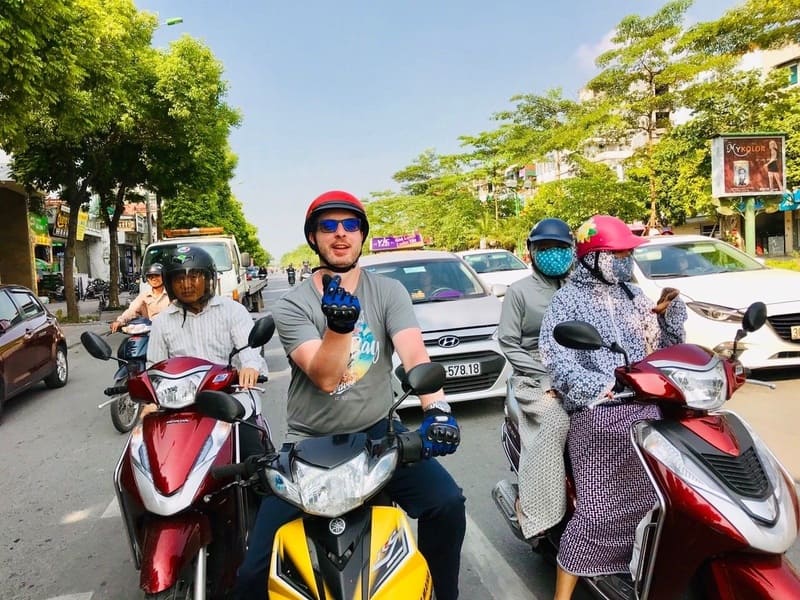
With time, perspective begins to shift. Cultural adaptation in Vietnam becomes less about coping and more about learning the rhythm beneath the surface. Long-term expats often say they wish they had approached these differences with curiosity sooner — and frustration less often.
Mistakes are inevitable. But expat mistakes in Vietnam frequently become turning points when met with humility. Each misunderstanding becomes an invitation to adapt, deepen understanding, and move closer to genuine belonging.
Read more: The Most Common Culture Shocks for New Expats in Vietnam
Rethinking Work and Career Growth
Vietnam draws in professionals, entrepreneurs, and remote workers with opportunity and flexibility. Early career choices are often shaped by convenience — attractive offers, fast growth, or short-term gains. But over time, many expats begin to reassess.
Those who reflect on starting over often say they would align work more closely with long-term residency goals, invest earlier in local professional networks, and place greater value on balance over constant expansion. Living in Vietnam as an expat offers diverse career paths, but not all of them are sustainable.
When work decisions ignore lifestyle realities, burnout follows quickly. Long-term success isn’t defined by momentum alone — it’s shaped by choices that support both professional growth and a livable, grounded life.
Read more: Expat Couples in Vietnam: Love, Work & Life TogetherFinancial Planning for Real Life
Vietnam may be affordable, but affordability without structure often leads to instability. Many expats admit they delayed setting up proper banking, insurance, and savings systems — assuming they could handle it later. Over time, that delay creates unnecessary stress.
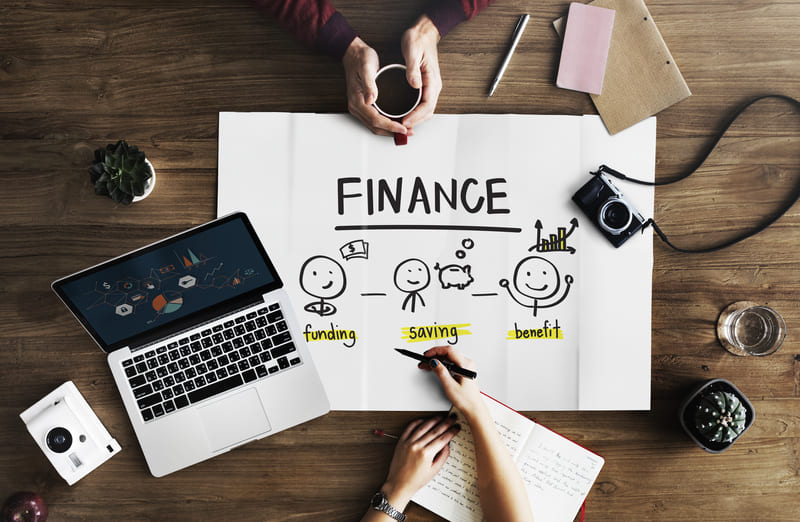
Doing Vietnam differently often means putting financial foundations in place early: opening a local bank account, choosing health insurance designed for long-term living, budgeting for visa changes or unexpected expenses.
These steps rarely feel urgent at first. Yet they quietly determine peace of mind. Long-term living in Vietnam isn’t sustained by low costs alone — it’s sustained by financial clarity and preparedness.
Read more: Long-Term Budgeting in Vietnam: Monthly Costs & Smart Saving TipsFamily, Children, and Long-Term Vision
For expat families, reflection often brings clarity. Many parents say they would have planned schooling, healthcare, and housing earlier — instead of making decisions reactively. Vietnam offers meaningful opportunities for children to grow as third-culture kids, but that experience depends on stability.
Families looking back often realize that intentional planning was the turning point. When daily life feels secure, children settle faster, parents worry less, and Vietnam shifts from a temporary chapter to a place where a family can genuinely put down roots.
Read more: Raising Kids as an Expat: Stories Beyond Schools and Housing
Belonging in Vietnam Is Built, Not Found
One of the deepest realizations long-term expats share is that belonging in Vietnam doesn’t arrive all at once. It forms gradually — through daily routines, familiar faces, and shared moments that quietly accumulate over time. What once felt foreign becomes assumed. What once required effort becomes natural.
Starting over wouldn’t mean avoiding challenges. It would mean understanding their value sooner. Living differently in Vietnam isn’t about doing everything right. It’s about showing up consistently, staying present through discomfort, and allowing connection to grow. Belonging, in the end, is less a destination — and more a practice shaped by time.

Read more: How Expats Redefine “Belonging” While Living in Vietnam
Conclusion
Do Vietnam Differently isn’t a call to rewrite the past. It’s an invitation to live more intentionally in the present. Long-term expats rarely wish they had chosen another country — they wish they had trusted the process sooner.
Building a life in Vietnam becomes lighter when decisions are grounded in clarity: stability creates freedom, community creates belonging, and reflection turns experience into wisdom. Whether you’re newly arrived or years into your expat journey, it’s never too late to pause, recalibrate, and choose differently.
At JHouse, we work with expats who are building lives — not just finding apartments. By simplifying housing decisions and sharing local understanding, we help create the stability that allows long-term living in Vietnam to feel grounded, confident, and genuinely sustainable.
JHouse Content Team
The in-depth content development team on housing services for foreigners & Vietnamese in Vietnam. The content is simple, easy to understand, and logically arranged to bring readers useful topics and information from real experiences.

Building a Support System in Vietnam Through Expat Communities
Expat Communities: Building a Support System for Expat Life in Vietnam
Moving to a new country is often framed as an adventure. Yet once the novelty fades, many expats encounter a quieter reality: life abroad can feel uncertain and isolating without the right people beside you. In Vietnam—where language, routines, and social norms may feel unfamiliar—expat communities often become the unseen structure that supports daily life.

For those planning long-term expat life in Vietnam, community is not a bonus; it is essential. Beyond visas, housing, and logistics, a reliable support system shapes how confidently you adapt, how deeply you connect, and whether Vietnam feels temporary or truly livable.
This article explores how expat communities in Vietnam help newcomers and long-term residents build stability, resilience, and a genuine sense of belonging—one shared experience at a time.
From Arrival to Adjustment: Why Support Systems Matter
The first weeks in a new country are rarely calm. Everything feels immediate—finding housing, opening a bank account, navigating traffic, decoding paperwork. Without context or guidance, small uncertainties quickly accumulate into exhaustion.
This is where an expat support system begins to matter. A timely recommendation in a community group, a message from someone who has already navigated the process, or a casual coffee with another expat can prevent weeks of trial and error. More importantly, these moments offer reassurance: you are not facing this transition alone.
Over time, support shifts from problem-solving to perspective. Practical advice turns into shared experience, and familiarity replaces anxiety. The longer you stay, the more these connections shape your choices—where you settle, how you work, and whether Vietnam remains temporary or becomes a place to build something lasting.
Read more: Why Expats Fall in Love with Vietnam
Expat Communities as the Backbone of Daily Life
At their core, expat communities are not defined by nationality but by shared transition. Everyone arrives carrying questions, uncertainty, and the need to re-orient daily life. That common starting point often builds trust faster than in familiar environments back home.
In Vietnam, these communities surface in many everyday forms:
- Online groups where advice circulates quickly
- Neighborhood networks that share local insight
- Professional circles in co-working spaces
- School-centered parent groups
- Hobby or volunteer communities built around shared interests
Individually, they may seem informal. Together, they create a quiet yet powerful support system for expats. Through these layered connections, people adapt not only practically, but socially and emotionally—until community stops being something they seek, and becomes something they rely on.
Read more: Finding Your Tribe: Join Expat Communities in Ho Chi Minh CityThe Practical Role of Expat Communities in Vietnam
1. Navigating Systems and Bureaucracy
Vietnam’s administrative systems can feel overwhelming, especially as regulations shift and information is not always centralized. Within expat communities in Vietnam, knowledge circulates quickly and informally. Recommendations for visa agents, healthcare providers, or trustworthy landlords are often based on lived experience, helping newcomers avoid costly mistakes.
2. Housing and Neighborhood Choices
Housing decisions benefit just as much from community insight. Choosing where to live is rarely about price alone—it is about rhythm and fit. Expat communities help clarify which neighborhoods suit families, remote workers, or those seeking quieter routines, reducing trial-and-error and allowing people to settle with confidence.
Read more: Finding “Home” Far Away: Real Stories from Tenants
3. Work, Networking, and Opportunity
For professionals and entrepreneurs, the community also shapes opportunity. Many roles, partnerships, and collaborations emerge through conversation rather than listings. In this way, expat networking becomes a bridge—transforming information into action, and uncertainty into momentum.
Social Support: Beyond Convenience
While logistics help expats function, the deeper value of community lies in emotional grounding. Living abroad inevitably challenges identity—through language barriers, cultural missteps, and quiet moments of loneliness. This is where social support for expats in Vietnam becomes essential.
A shared meal, a conversation in familiar language, or a space where frustration needs no explanation can restore balance. Over time, these small interactions build resilience and confidence.
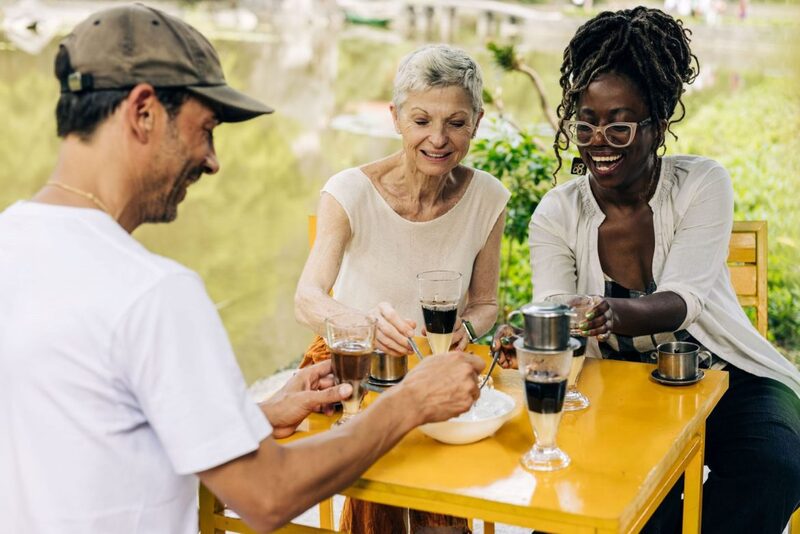
Many long-term expats find that their closest friendships are not formed through convenience, but through consistency—returning to the same yoga class, volunteering regularly, or showing up to familiar faces at recurring events. In these repeated moments, the community shifts from comfort to anchor.
Read more: Local Friendships That Changed Expats’ Lives in VietnamBuilding Community in Vietnam Takes Intention
Community rarely forms by accident. Expats who thrive long-term in Vietnam approach connection with the same intention they apply to work or relocation planning. Rather than waiting for belonging to appear, they place themselves where connection can grow:
- Expat Facebook groups in major cities for real-time advice and events
- Co-working spaces that host talks, workshops, and social nights
- Meetup platforms for shared interests and hobbies
- Volunteer networks that encourage purpose-driven relationships
Each interaction is only a starting point. What matters is presence over time. Through consistency—returning, listening, and contributing—casual encounters gradually become familiar faces, and familiarity becomes trust.
Families, Partners, and Long-Term Stability
For families and long-term partners, expat communities often become an extended family. Parenting abroad brings layered challenges—from choosing schools to navigating healthcare systems—where formal support can feel fragmented.
Community helps bridge those gaps. School networks, neighborhood playgroups, and parent-led forums offer reassurance through shared experience rather than advice alone. Children gain continuity through familiar routines and friendships, while parents find perspective, empathy, and practical guidance.
Over time, this shared journey creates stability. For many families, it is not a single opportunity that anchors them to Vietnam, but the presence of people who grow alongside them.
Read more: Raising Kids as an Expat: Stories Beyond Schools and Housing
Belonging in Vietnam: When Community Changes Perspective
Belonging in Vietnam rarely arrives as a moment—it unfolds quietly. There comes a point when the country no longer feels like a temporary assignment but a place you move through with ease.
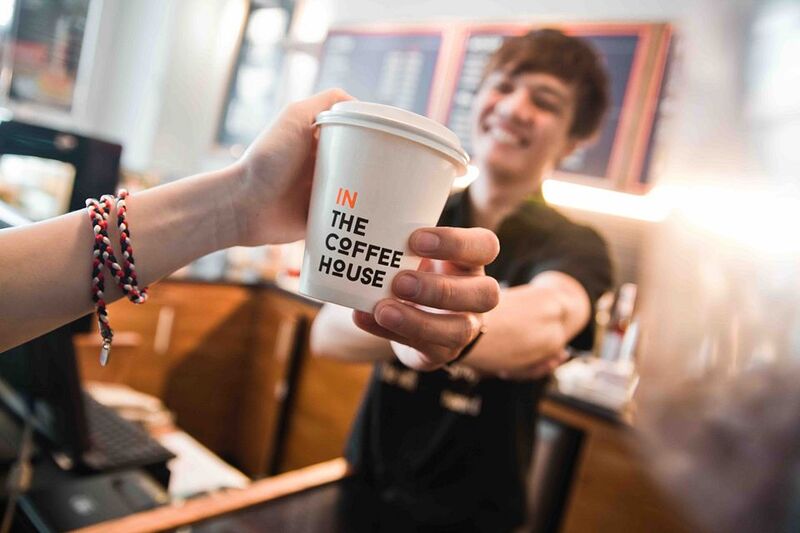
You are recognized at familiar cafés. Your circle blends expats and locals. Advice begins to flow both ways. At this stage, belonging in Vietnam shifts from comfort to contribution.
Community is no longer a safety net you rely on, but a shared space you help sustain. What once supported your transition now reflects your presence, turning daily life into something rooted and reciprocal.
Read more: How Expats Redefine “Belonging” While Living in Vietnam
Overcoming Common Barriers to Connection
Overcoming barriers to connection is part of every expat journey. Social fatigue, cultural misunderstandings, and the uncertainty of short-term friendships can make openness feel risky. In Vietnam’s transient expat landscape, many hesitate to invest deeply, unsure how long connections will last.
A sustainable support system abroad grows from balance—remaining open while honoring personal boundaries. Not every relationship will endure, and that is not failure. Each interaction still adds context, perspective, and resilience, shaping a richer understanding of life abroad and your place within it.
Read more: The Most Common Culture Shocks for New Expats in Vietnam
Long-Term Expat Life Is Built Together
Long-term expat life is rarely sustained by logistics alone—it is built through people. Community influences mental well-being, career confidence, family stability, and how grounded daily life feels.
Expats who invest in relationships tend to adapt with greater ease and remain with greater intention. Challenges do not disappear, but they feel lighter when shared, contextualized, and understood.
Over time, community becomes more than support—it becomes continuity. And it is within that shared continuity that life in Vietnam stops feeling temporary and begins to feel deliberately lived.

Read more: The Turning Point: Why Expats Stay Long-Term in Vietnam
How JHouse Fits into the Bigger Picture
At JHouse, we work alongside expats who are not simply relocating, but intentionally building lives in Vietnam.
We see how the right home—chosen with lifestyle, routine, and community in mind—creates the stability needed for a deeper connection. Housing is not an isolated decision; it shapes where relationships form and how daily life unfolds.
By simplifying the housing process and sharing grounded local insight, JHouse helps reduce uncertainty at a critical stage of transition—allowing expats to focus less on logistics and more on creating the relationships and rhythms that make Vietnam feel genuinely lived in.
Read more: JHouse – Where Great Homes Meet Great PeopleFinal Thoughts: From Support to Belonging
There is a quiet moment when expat life shifts. You are no longer just coping—you are participating. Questions turn into shared knowledge. Uncertainty softens into confidence. And Vietnam becomes more than a place you live; it becomes a place you belong.
For many, this transformation is shaped by expat communities. They provide structure during uncertainty, companionship through transition, and meaning beyond logistics. Community does not remove challenges—but it makes them shared, manageable, and human.
If you are building a long-term life in Vietnam, investing in the right support system matters. And when the time comes to find a home that supports your routines, connections, and sense of stability, JHouse is here to help you take that step with clarity and confidence.
JHouse Content Team
The in-depth content development team on housing services for foreigners & Vietnamese in Vietnam. The content is simple, easy to understand, and logically arranged to bring readers useful topics and information from real experiences.

Raising Kids as an Expat: Stories Beyond Schools and Housing
Expat Parenting in Vietnam: Stories Beyond Schools and Housing
Raising kids as an expat in Vietnam is rarely just a logistical decision. It is an emotional commitment—marked by uncertainty, quiet hope, and the desire to create stability on unfamiliar ground.

While schools, visas, and housing often dominate early conversations, expat parenting quickly surfaces deeper questions: How will my child adapt? Where will they feel safe? Can this place truly become home?
Across Vietnam—from Ho Chi Minh City to Hanoi and Da Nang—expat families are learning that raising children abroad is not defined by addresses or classroom rankings. It unfolds through everyday routines, cultural negotiations, and the gradual building of trust—between parents and place, and within the family itself. This is where expat parenting in Vietnam begins to move beyond planning and toward belonging.
Raising Kids as an Expat: When Practical Decisions Aren’t Enough
Raising kids as an expat begins long before the first school tour or lease agreement. It starts with a mindset shift—from seeing life abroad as temporary, to intentionally building a family life overseas.
Many expat parents arrive in Vietnam focused on solving immediate needs: enrolling children in international schools, finding a safe apartment, and securing reliable healthcare. These decisions matter. But over time, families discover that long-term stability is sustained by more than infrastructure—it depends on emotional integration.
Children are highly perceptive. When parents remain mentally “in transit,” children often struggle to feel grounded. Expat parenting in Vietnam becomes more sustainable when families stop comparing daily life to what they left behind, and begin engaging fully with where they are—its rhythms, limitations, and quiet opportunities.
This shift—from managing logistics to cultivating presence—is where expat family life truly starts to take root.
Read more: Expat Life in Vietnam: Real Stories and InsightsBeyond Schools: Learning Happens Everywhere
Vietnam offers a growing range of international schools, from British and IB curricula to bilingual programs. For many expat parents, education becomes the first—and most stressful—decision. Yet raising children abroad soon reveals a deeper truth: learning doesn’t end at the school gate.
Expat kids absorb lessons daily by watching how their parents navigate markets, greet neighbors, bridge language gaps, or respond to cultural differences. These ordinary moments quietly teach resilience, empathy, and adaptability—skills no curriculum can fully replicate.

In Vietnam, children often learn to:
- Communicate across language barriers using patience and creativity
- Observe social cues in a culture that values harmony and respect
- Develop independence earlier by navigating unfamiliar environments
Over time, these experiences shape third-culture kids—globally aware, emotionally perceptive, and comfortable with difference. For many expat families, this becomes one of the most meaningful outcomes of raising kids overseas.
Beyond Housing: Home Is an Emotional Space
Housing is often treated as a practical checklist—size, budget, safety, proximity to school. Yet for families raising kids as expats, home carries a deeper emotional weight. It is where children find continuity, predictability, and a sense of ownership in an otherwise changing environment.
Frequent moves, unclear lease terms, or unresolved maintenance issues may seem minor to adults, but they quietly erode a child’s sense of security. In Vietnam’s flexible housing market, many expat families benefit from slowing down. Short-term rentals allow space to explore neighborhoods before committing.
Areas such as Thao Dien, District 7, Tay Ho, or An Thuong appeal not only for convenience, but for walkability, green spaces, and everyday community life. At JHouse, we often see that once housing stress fades, families regain the mental space to parent with calm, presence, and confidence.
Read more: Finding “Home” Far Away: Real Stories from Tenants
Daily Life: Where Expat Parenting Really Takes Shape
The most defining moments of expat parenting are rarely dramatic. They unfold quietly through everyday routines. Morning school drop-offs along busy streets. Weekend bike rides by the river. Shared meals that blend familiar traditions with Vietnamese flavors. These small rituals create stability—and children thrive on their predictability.
Vietnam’s lifestyle offers unexpected advantages for expat families:
- Affordable domestic help allows parents more quality time with children
- Outdoor living encourages active, social childhoods
- Proximity to nature enables regular family escapes
Over time, many families notice a subtle shift. Life feels less rushed. Parenting becomes less about managing schedules and more about being present together. This rhythm—grounded, flexible, and relational—is often what convinces expat families that Vietnam can support not just daily life, but long-term family growth.
Read more: Everyday Joys of Living in Vietnam
Cultural Adaptation: A Family Process
Cultural adaptation for children rarely happens in isolation. It reflects how parents engage with the world around them. Children notice everything—frustration at small inconveniences, curiosity toward difference, moments of respect or withdrawal. These cues quietly shape how safe the unfamiliar feels.
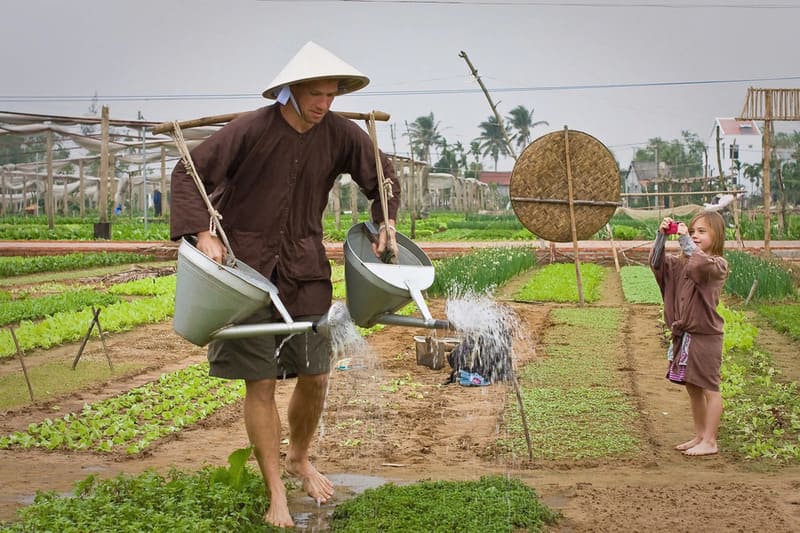
Families who approach life in Vietnam with openness often raise children who grow confident navigating cultural differences. Simple acts—using basic Vietnamese phrases, greeting neighbors, joining local celebrations—send powerful signals of belonging. Expat parents may worry about cultural confusion, yet children usually adapt faster than adults. What they need most is emotional reassurance: permission to ask questions, voice discomfort, and adjust at their own pace.
Expat parenting in Vietnam becomes more sustainable when adaptation is treated not as a problem to solve, but as a shared family journey—one shaped by patience, presence, and trust.
Read more: The Most Common Culture Shocks for New Expats in Vietnam
Community: The Invisible Support System
Isolation is one of the quietest—and heaviest—challenges expat families face. Even with comfortable housing and good schools, daily life can feel fragile without connection. Community reshapes the expat family experience, not through occasional playdates or school networks, but through consistent relationships that offer understanding without explanation.
In Vietnam, expat parents often find support through:
- School parent communities
- Neighborhood friendships
- Sports clubs, hobby groups, or volunteer projects
- Online expat groups that transition into offline connections
Children benefit profoundly from watching their parents build friendships. It sends a simple, reassuring message: we are not navigating this alone. Belonging rarely arrives all at once. It forms gradually—through showing up, sharing challenges, and trusting small moments to turn unfamiliar places into something closer to home.
Read more: Local Friendships That Changed Expats’ Lives in Vietnam
Emotional Challenges Parents Don’t Talk About
Behind curated photos and positive stories, expat parenting carries quiet emotional weight. Parents often wrestle with guilt: Am I taking something away from my child by raising them abroad? Am I choosing exploration over stability?
Moments of doubt surface during illnesses, school transitions, or cultural misunderstandings—especially when far from familiar support systems in Vietnam. These feelings are not signs of failure; they are part of the process. Long-term expat families learn that stability doesn’t come from removing uncertainty, but from navigating it together with honesty and calm.

Raising kids as an expat requires emotional transparency. Children don’t need perfect parents. They need grounded ones who can hold uncertainty without passing it on.
Read more: How Expats Redefine “Belonging” While Living in Vietnam
Raising Globally Minded Children in Vietnam
For families who choose to stay, Vietnam becomes more than a setting—it quietly shapes their children’s worldview. Kids raised here learn to read contexts, adapt across cultures, and feel comfortable in difference.
They grow up navigating languages, traditions, and social cues with ease, understanding that “normal” is flexible and belonging isn’t tied to a single place.
This global mindset isn’t formed in classrooms alone. It develops through everyday exposure—shared meals, local friendships, and constant cross-cultural interaction. Over time, these lived experiences become one of the most lasting gifts of expat parenting in Vietnam.
When Vietnam Starts to Feel Like Home
There’s a quiet shift many expat families recognize. Weekend plans no longer feel temporary. Children speak of Vietnam as “home” without thinking. And the idea of leaving begins to carry more weight than staying. In that moment, expat parenting stops feeling like an experiment—and becomes a chapter of life with roots.
At JHouse, we support families through the housing decisions that shape each stage of this transition. Our work focuses on more than just finding a place to live. By reducing friction, clarifying decisions, and creating housing stability, we help families reclaim mental space.
When daily logistics feel settled, parents are free to focus on what matters most—being present, grounded, and fully engaged in the life they’re building in Vietnam.

Read more: Things Expats Slowly Learn to Love in Vietnam
Final Thoughts: Parenting Beyond Checklists
Raising kids as an expat in Vietnam isn’t defined by schools, housing, or paperwork alone. It’s shaped by everyday choices, emotional resilience, and the willingness to build family life without a fixed template.
For families who engage deeply, Vietnam offers more than affordability or convenience. It offers space—to slow down, to reconnect, and to raise children who feel secure navigating an ever-changing world. The journey isn’t always smooth. There are doubts, adjustments, and moments of uncertainty. But for many expat families, the growth—both for parents and children—makes it profoundly worthwhile.
And when housing becomes part of that equation, having the right support can make all the difference. When you’re ready to find a home that truly supports your family life in Vietnam, JHouse is here to help—quietly, clearly, and with care.
JHouse Content Team
The in-depth content development team on housing services for foreigners & Vietnamese in Vietnam. The content is simple, easy to understand, and logically arranged to bring readers useful topics and information from real experiences.
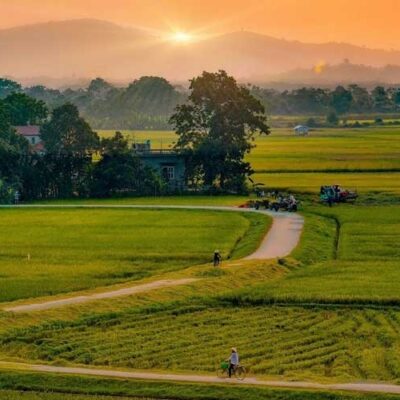
Things Expats Slowly Learn to Love in Vietnam
What Expats Gradually Learn to Love About Living in Vietnam
For many expats, the journey of adapting to life in Vietnam is full of surprises. What begins as a practical decision—work, study, or family relocation—slowly transforms into something deeper. Love in Vietnam goes beyond scenic landscapes or vibrant cuisine; it emerges in daily life, local culture, and the rhythms that make a new country feel like home.
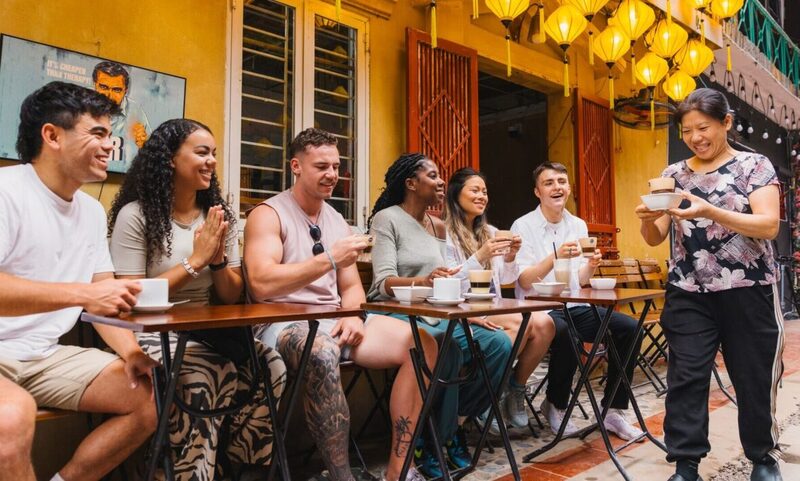
From bustling cities to tranquil coasts, Vietnam challenges you to slow down, observe, and adapt. Morning markets, neighborhood cafes, and friendly encounters gradually reveal the heart of daily life.
Over time, these experiences, small yet meaningful, become the very things expats slowly learn to love in Vietnam—creating a connection that goes beyond convenience, routines, or initial impressions.
Love in Vietnam: The Subtle Joys and Hidden Gems
Love in Vietnam extends far beyond surface-level attractions—it unfolds gradually, rewarding those who immerse themselves fully. Many expats initially notice the obvious perks: affordability, flavorful cuisine, and convenient amenities. Yet the deeper affection grows from subtle, everyday experiences that shape life abroad.
1. Everyday Life and Small Rituals
For most expats, love in Vietnam begins with simple routines. Morning strolls along a quiet lake, savoring a steaming bowl of pho from a corner eatery, or sharing coffee with neighbors, gradually transform into meaningful rituals. These repeated moments cultivate comfort and connection, revealing the understated joys that make life in Vietnam uniquely satisfying.
2. Community and Connections
The expat community in Vietnam plays a crucial role in settling in. Social networks, local friendships, and co-working spaces go beyond networking—they become a support system. Participating in hobby groups, volunteering, or attending language exchanges nurtures lasting bonds.
Local culture for expats may start with polite gestures, but consistent engagement transforms acquaintances into chosen family. Over time, these relationships define the emotional core of living in Vietnam.
Read more: Local Friendships That Changed Expats’ Lives in Vietnam
3. Hidden Gems and Exploration
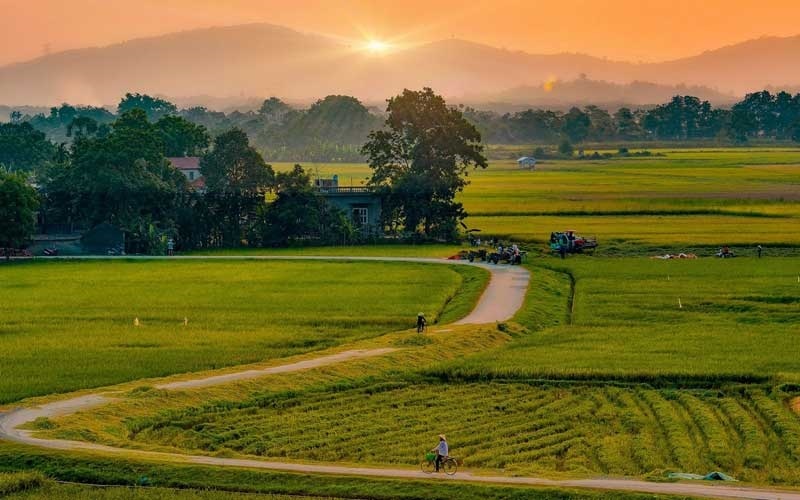
Life outside urban centers introduces hidden gems in Vietnam for expats, from serene coastal towns to mountain retreats and tucked-away cafes. Exploring off-the-beaten-path destinations not only refreshes the mind but also deepens one’s connection to the country. Discovering a tranquil riverside village, a vibrant street-food corner, or a quiet hillside café becomes a cherished part of daily life—one of the many reasons expats slowly come to love Vietnam fully.
Read more: Why Expats Fall in Love with Vietnam
Navigating Challenges with Perspective
Long-term life abroad comes with unavoidable challenges. Visa renewals, language barriers, and cultural differences can frustrate newcomers. Settling in Vietnam as an expat requires patience, curiosity, and a willingness to embrace local customs while approaching bureaucracy strategically.
Expat life teaches resilience: obstacles become opportunities for growth, and lessons learned gradually deepen appreciation for daily life. By leaning into these experiences rather than resisting them, newcomers discover the subtleties that make Vietnam uniquely lovable—from friendly local interactions to the rhythms of everyday life that slowly become the heart of what expats love in Vietnam.
Read more: The Most Common Culture Shocks for New Expats in Vietnam
What Expats Slowly Learn to Love in Vietnam: Lifestyle and Living
1. Housing and Neighborhoods
Where you choose to live shapes your entire expat journey, vibrant cities like Ho Chi Minh City or Hanoi attract professionals seeking career growth and cultural immersion, while coastal hubs like Da Nang offer slower-paced lifestyles ideal for remote work or retirement.
Understanding neighborhood nuances—proximity to schools, markets, and expat-friendly services—creates comfort, convenience, and a growing sense of belonging, making daily life feel seamless.
Read more: Finding “Home” Far Away: Real Stories from Tenants
2. Food and Culinary Culture
Vietnamese cuisine is central to everyday joy. From bustling street vendors to refined dining spots, the freshness, variety, and bold flavors are unforgettable. Many expats come to cherish the ritual of a morning bánh mì, a late-night bowl of bún, or sharing a coffee with neighbors.
Food here is more than sustenance—it’s a cultural touchstone that brings life, connection, and delight to ordinary days.
3. Daily Rituals and Transportation
Mastering local routines—navigating motorbike traffic, understanding markets, or anticipating cultural quirks—may feel daunting at first. Over time, these small, intentional rituals become second nature. Experiences like using public transport, chatting with vendors, or discovering hidden neighborhood gems gradually shape life abroad and contribute to what expats slowly learn to love in Vietnam.

4. Work-Life Integration
Professional growth, international networks, and entrepreneurial energy coexist with grounded daily life. Balancing ambition with well-being—through weekend escapes, quiet riverside walks, or corner café visits—teaches expats to savor life’s subtleties. These mindful choices turn ordinary days into meaningful experiences, reinforcing the deep appreciation that comes from living in Vietnam fully.
Read more: Expat Couples in Vietnam: Love, Work & Life Together
Health, Wellness, and Peace of Mind
Healthcare is a top priority for expats in Vietnam. While public hospitals exist, most long-term residents rely on private clinics or international hospitals like FV Hospital, Raffles Medical, and Vinmec, where English-speaking staff provide reliable care. Choosing the right health insurance ensures peace of mind, allowing expats to focus on life, not paperwork.
Wellness goes beyond medical care. Daily routines, exercise, and exploring parks or riversides foster balance and joy. Activities like yoga, cycling, or simple walks cultivate a mindful lifestyle, strengthening the emotional connection to the country. Over time, these practices become part of the subtle experiences that help expats slowly fall in love with Vietnam.
Read more: Healthcare in Vietnam for Expats: Insurance & Hospital TipsCulture, Festivals, and Everyday Joys
Local culture in Vietnam is immersive and layered, offering expats rich experiences. Festivals like Tết, Mid-Autumn, and regional celebrations bring vibrant traditions and communal energy. Participating or observing gradually helps expats feel part of the social fabric.
Beyond grand events, everyday joys quietly enrich life: bustling morning markets, friendly shopkeepers, street performances, or the hum of scooters at sunset. These small, repeated moments accumulate, deepening connection and understanding. Over time, they become the subtle treasures that make expats slowly fall in love with Vietnam, revealing its true rhythm and charm.
Read more: Everyday Joys of Living in Vietnam
Language and Learning
Mastering Vietnamese rarely happens overnight, but even small efforts are richly rewarded. Using basic phrases, practicing greetings, or learning local idioms opens doors to friendships and deeper cultural understanding.

Over time, expats discover that language is more than communication—it’s a bridge to belonging, respect, and meaningful daily interactions. These subtle insights become part of the experiences that help expats slowly fall in love with Vietnam, enriching both life and connection in their new home.
Long-Term Impact: Belonging and Perspective
Over time, expats notice a subtle but profound shift—Vietnam stops being just a temporary location and becomes home. Love in Vietnam evolves from a series of enjoyable moments to a lived, felt experience, woven into daily routines, friendships, and personal growth.
This shift in perspective—embracing local rhythms, valuing connection, and appreciating cultural depth—defines long-term satisfaction. There isn’t a single reason why expats fall in love with Vietnam; it’s the cumulative effect of countless small, intentional choices, repeated over time, that gradually turn everyday life into something deeply meaningful.
Read more: How Expats Redefine “Belonging” While Living in Vietnam
Final Thoughts: Love in Vietnam Is Built Slowly
For expats willing to immerse themselves, every challenge becomes an opportunity, every routine a ritual, and every connection a source of belonging. Love in Vietnam grows gradually through curiosity, engagement, and consistency—it doesn’t appear overnight.
From shared meals to hidden corners, from friendships to festival celebrations, the moments expats slowly learn to love transform a temporary stay into a lasting chapter. Whether seeking career growth, raising a family, or building a meaningful life abroad, Vietnam offers depth, warmth, and discovery.
With guidance from JHouse, finding the right home and navigating daily life becomes simpler, creating space to focus on what truly matters. Love in Vietnam isn’t just an idea; it’s a lived experience, unfolding with patience, openness, and heart.
JHouse Content Team
The in-depth content development team on housing services for foreigners & Vietnamese in Vietnam. The content is simple, easy to understand, and logically arranged to bring readers useful topics and information from real experiences.
How Expats Redefine “Belonging” While Living in Vietnam
Expat Life in Vietnam: Finding a True Sense of Belonging
Belonging while living in Vietnam rarely arrives with a visa stamp or a signed lease. For many expats, the hardest part isn’t adjusting to a new country—it’s living in the in-between, where daily life works, but still feels temporary.
Vietnam draws people in with opportunity, affordability, and cultural depth. Yet what ultimately determines whether expats stay long-term isn’t convenience or comfort. It’s whether life begins to feel anchored.
This article explores how expats redefine belonging while living in Vietnam—how the shift from “being based here” to “being part of here” quietly unfolds. Through mindset changes, local connections, everyday routines, and long-term choices, belonging emerges not as a destination but as a form of participation. Less about where you live—and more about how you show up.
From Arrival to Awareness: When “Living Abroad” Stops Feeling Temporary
Most expats arrive in Vietnam with an unspoken timeline. Six months. One year. Maybe two. There’s often a quiet belief that real life will resume somewhere else. Early choices reflect that assumption—short-term housing, flexible commitments, friendships kept intentionally light.
Then, almost without noticing, awareness replaces arrival.
Daily life stops feeling provisional. Familiar streets no longer need translating. A café remembers your order. Routines form without constant comparison to “home.” This is often the first signal that expat life in Vietnam is shifting—from exploration to establishment.
Belonging doesn’t begin with permanence; it begins with presence. When expats stop measuring their lives against another country and start engaging with Vietnam on its own terms, the experience feels less fragmented. The question quietly changes—from How long will I stay? to How do I want to live while I’m here?
That shift is where emotional grounding begins.
Read more: The Turning Point: Why Expats Stay Long-Term in Vietnam
Belonging while living in Vietnam: A Shift in Mindset
Belonging while living in Vietnam isn’t about replacing one identity with another—it’s about allowing your sense of self to expand. For many expats, the real turning point comes when they stop trying to recreate their former lifestyle abroad. Imported routines, rigid expectations, and constant nostalgia often keep life feeling temporary.
Belonging grows when expats begin adapting their rhythms instead. This means accepting that comfort looks different overseas, letting go of efficiency as the sole measure of what’s “working,” and recognizing that integration is relational rather than transactional. Trust, in Vietnam, is built through consistency more than speed.

As this mindset shifts, so does the experience of daily life. Instead of asking how Vietnam can fit into their existing framework, expats begin adjusting themselves to Vietnam’s flow. That’s when life stops feeling like an extended stay—and starts feeling genuinely lived.
Read more: Expat Life in Vietnam: Real Stories and InsightsEveryday Life as the Foundation of Belonging
Belonging is rarely created through grand moments. More often, it forms quietly through ordinary ones. Shopping at the same market each week. Exchanging greetings with neighbors in the elevator. Running daily errands without hesitation. These small repetitions are what transform an unfamiliar place into something dependable.
Everyday life in Vietnam naturally supports this shift. Dense neighborhoods, visible street life, and a culture of informal interaction make complete isolation difficult. Even brief exchanges—shared meals, casual conversations, familiar faces—create a sense of continuity over time.
For expats in Vietnam, these patterns gradually reduce emotional friction. Life feels less performative and more participatory. The city stops acting as a temporary backdrop and begins functioning as a shared environment. This is often when expats realize that belonging doesn’t require full cultural fluency—only consistent presence.
Read more: Everyday Joys of Living in Vietnam
The Role of Community Connections and Local Friendships
No expat builds a sense of belonging alone.
Community connections—both expat and local—shape whether life abroad feels supported or isolating. In the early stages, most expats lean on familiar networks: colleagues, international communities, and online groups. These spaces offer reassurance and shared reference points during adjustment.
But deeper belonging often begins when local friendships enter daily life.
In Vietnam, these relationships rarely start with emotional openness. They grow through reliability—showing up consistently, respecting boundaries, and engaging without urgency. Trust is built through presence more than explanation.
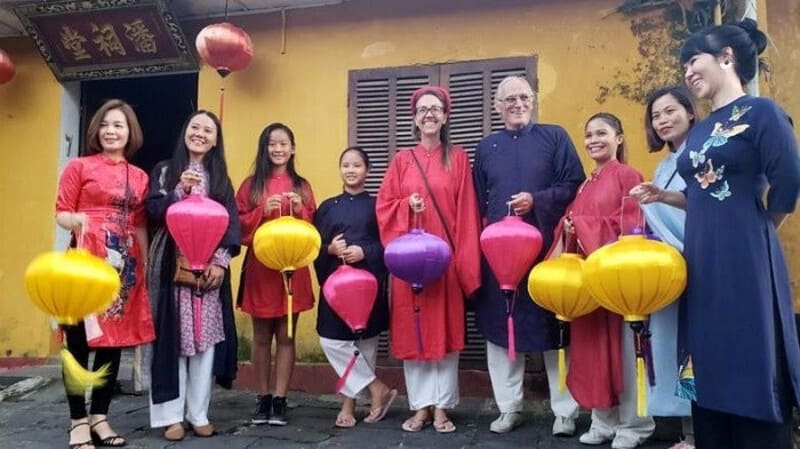
Over time, local connections quietly change how expats experience the country. Language gaps feel less intimidating. Cultural differences become navigable rather than exhausting. Vietnam shifts from something to be decoded into a community to participate in. For many long-term residents, local friendships mark the moment Vietnam truly feels like home.
Read more: Local Friendships That Changed Expats’ Lives in Vietnam
Redefining “Home Away from Home”
For expats, the idea of home away from home doesn’t stay fixed.
In the beginning, home is built from familiarity—imported routines, familiar food, a language that requires no effort. But as belonging while living in Vietnam deepens, home becomes less about resemblance and more about resonance. It’s defined by how daily life feels, not how closely it mirrors the past.
This shift often appears in housing choices. Temporary rentals give way to intentional homes. Neighborhoods are selected for livability rather than convenience alone—access to markets, green spaces, schools, and social rhythms begins to matter.
Expat life in Vietnam moves from optimization to alignment. Housing supports lifestyle. Lifestyle supports relationships. And over time, those relationships redefine what home truly means.
Read more: Finding “Home” Far Away: Real Stories from Tenants
Living Long-Term in Vietnam: When Belonging Shapes Decisions
Belonging reshapes how expats make long-term choices.
As life in Vietnam stabilizes, decisions begin to extend forward. Career plans feel less provisional. Housing becomes permanent. Families settle. Conversations shift quietly—from if I stay to now that I’m here. Belonging turns time from something counted into something assumed.
Challenges don’t disappear. Bureaucracy, cultural friction, and distance from family remain part of daily life. But they no longer feel disqualifying. They become manageable trade-offs within a life that otherwise works.
Many long-term expats describe this phase as grounded. Life feels less experimental and more intentional. Vietnam may not be perfect, but it feels livable—emotionally, practically, and sustainably. At this point, belonging stops being a feeling and becomes a direction.
Belonging Beyond Nationality and Language
For many expats, one of the deepest realizations is that belonging isn’t anchored to nationality or perfect language skills.

While fluency helps, it isn’t a prerequisite for connection. Belonging often grows through shared participation—sports groups, volunteering, creative projects, parenting circles, or everyday neighborhood life. In these spaces, presence matters more than performance.
Vietnam’s relationship-centered social culture makes this possible. Expats aren’t expected to fully assimilate to be accepted. What matters is respectful, consistent engagement over time.
Gradually, identity becomes layered rather than divided. Expats don’t lose where they’re from—they gain where they are. Belonging expands without erasing origin.
This is belonging that transcends borders, language, and labels.
Why Feeling at Home Abroad Takes Time—and Why That’s Okay
Belonging abroad rarely arrives all at once, and it almost never follows a straight line.
There are stretches of doubt. Periods of isolation. Moments when cultural fatigue makes everything feel heavier than it should. These experiences aren’t signs of failure—they’re part of the adjustment. Many expats who eventually feel at home in Vietnam recall at least one point when leaving felt like a real option.
What matters isn’t avoiding discomfort, but having enough support, clarity, and self-awareness to move through it.
Feeling at home abroad isn’t about erasing difficulty. It’s about building enough social, emotional, and practical stability that discomfort no longer defines the experience. Belonging grows slowly—but over time, it compounds into something steady and real.
Read more: Things Expats Slowly Learn to Love in VietnamThe Quiet Indicators of Belonging
Belonging rarely announces itself. It shows up in small, unexamined choices—choosing local solutions without hesitation, explaining Vietnam to friends back home with nuance rather than defense, planning months ahead without keeping an exit in mind. It’s not about idealizing the country, but understanding it well enough to live within its realities.
For many expats, the realization arrives unexpectedly: when the idea of leaving Vietnam feels heavier than the decision to stay.
At that point, belonging is no longer something being sought. It has quietly become a condition—felt, lived, and assumed.
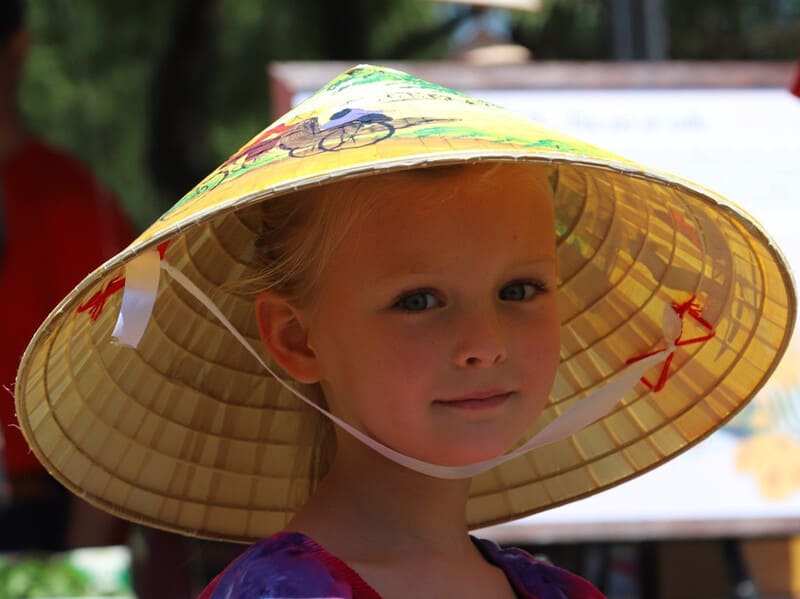
Read more: Funny & Unexpected Moments When Living in HCMC
Final Thoughts: When Living in Vietnam Becomes Being Part of It
Belonging while living in Vietnam isn’t a destination—it’s a process shaped by time, intention, and participation. It grows through everyday routines, community connections, and the willingness to adapt without erasing who you are.
For many expats who stay, Vietnam becomes more than a chapter abroad. It becomes a place where identity expands, life stabilizes, and the future feels grounded again. Belonging doesn’t require perfection. It requires presence—and the right conditions to sustain it.
That’s where practical support quietly matters. At JHouse, we work with expats who are building lives, not just finding apartments. By helping people create stable living foundations, we support the deeper process of settling in.
When life feels anchored, belonging follows naturally. And Vietnam becomes not just where you live—but where you truly belong.
JHouse Content Team
The in-depth content development team on housing services for foreigners & Vietnamese in Vietnam. The content is simple, easy to understand, and logically arranged to bring readers useful topics and information from real experiences.

The Turning Point: Why Expats Stay Long-Term in Vietnam
Why Expats in Vietnam Choose Long-Term Living
Long-term decisions rarely arrive overnight. For many foreigners, the choice to stay long-term in Vietnam begins quietly — when the excitement of arrival fades, routines take shape, and daily life no longer feels temporary. Vietnam shifts from a place to experience into a place to build, where careers deepen, relationships grow, and personal rhythms finally settle.

At JHouse, we work closely with expats standing at this exact crossroads. Some arrive on one-year contracts. Others come simply to explore Southeast Asia. Yet over time, many face the same question: Is this still just a stop — or could it become home?
This article explores why that turning point happens, and what truly leads expats to stay long-term in Vietnam.
The Turning Point: From Temporary Stay to Long-Term Commitment
Every expat experiences Vietnam differently, yet many who choose long-term living in Vietnam describe the same internal shift. The early months are about survival and adaptation — visas, housing, traffic, and learning how things work. Over time, familiarity replaces friction. Then, almost quietly, intention emerges.
This turning point is rarely sparked by a single moment. Instead, it forms through accumulation: stable work, meaningful friendships, a café that remembers your order, or the realization that life here feels balanced rather than rushed. Gradually, short-term thinking gives way to long-term planning.
At that stage, expats stop asking “How long will I stay?” and begin asking “How do I build a better life here?” That question marks the true beginning of long-term living in Vietnam.
Read more: What Changes When Expats Work and Live in VietnamWhy Expats Stay Long-Term in Vietnam
To understand why expats stay long-term in Vietnam, it helps to look beyond surface-level advantages. Affordability and climate may draw people in, but they rarely explain why someone chooses to remain. Long-term commitment grows from alignment — when lifestyle, personal values, and opportunity begin to reinforce one another instead of competing for attention.
1. A Lifestyle That Balances Ambition and Ease
Vietnam offers something increasingly rare in modern cities: momentum without constant pressure. In hubs like Ho Chi Minh City and Hanoi, professionals find career growth, international networks, and entrepreneurial energy. Yet daily life remains grounded. Meals are shared, neighborhoods feel lived in, and time moves at a human pace.
For many expats in Vietnam, this balance becomes the deciding factor. Work still matters, but it no longer consumes everything. Life expands beyond the office, easing the burnout that often follows high-pressure environments elsewhere. This balance makes long-term living in Vietnam feel sustainable rather than exhausting.

2. Cost of Living That Supports Long-Term Stability
The cost of living in Vietnam further strengthens this decision. Housing, food, transportation, and essential services remain accessible compared to many global cities. This financial breathing room reduces stress and restores choice — whether that means saving, investing, or simply living with greater intention.
Importantly, affordability alone isn’t the goal. What truly matters is what it enables: flexibility, security, and the freedom to build a long-term life in Vietnam without constant compromise.
Read more: Why Expats Fall in Love with Vietnam
Building a Long-Term Life in Vietnam Through Connection
One of the strongest reasons expats choose to stay long-term in Vietnam is connection. Without it, even the most comfortable lifestyle can feel temporary — efficient, yet emotionally unfinished.
1. Community Connections That Create Belonging
Over time, expats discover that Vietnam is deeply relational. Trust grows through consistency rather than speed. Local friendships often begin with simple gestures — a daily greeting, a small favor, a shared routine — but they can grow into reliable support systems that quietly shape everyday life.
Expat communities also play an essential role, especially in the early stages. Co-working spaces, neighborhood groups, and social networks offer familiarity when everything feels new. Over time, these circles evolve into anchors, helping newcomers transition from short-term residents into people who feel rooted.
Belonging rarely arrives instantly. But once it takes hold, the idea of leaving starts to feel less certain.
Read more: Local Friendships That Changed Expats’ Lives in Vietnam
2. Cultural Integration Over Cultural Perfection
Long-term expats don’t stay because life is effortless. They stay because they learn how to adapt. Cultural integration in Vietnam is less about fluency or perfection and more about rhythm, respect, and patience. As expectations shift, frustrations soften. Every day challenges become stories — and stories become attachment. This mindset shift often marks the decision to stay in Vietnam long-term.
Read more: The Most Common Culture Shocks for New Expats in Vietnam
Housing as a Turning Point for Long-Term Living
One of the clearest signs that expats intend to stay long-term in Vietnam is how they approach housing. Over time, short-term rentals and convenience-driven choices lose their appeal. What matters instead is fit.

The question shifts from “What’s available now?” to “What supports the life I want to build?” Neighborhoods begin to matter. Natural light, noise levels, walkability, and community become daily priorities rather than afterthoughts.
At JHouse, we see this transition every day. When expats search for homes that reflect who they are — not just where they are — intention becomes visible. A well-chosen home creates stability, grounding daily life and turning the emotional decision to stay into something tangible.
Read more: Finding “Home” Far Away: Real Stories from Tenants
Quality of Life in Vietnam: A Long-Term Perspective
Viewed through a long-term lens, the quality of life in Vietnam reveals why many choose to stay long-term in Vietnam. Healthcare access, education options, digital infrastructure, and transportation continue to improve — particularly in major cities.
For families, international schools, family-friendly neighborhoods, and a culture that values togetherness offer reassurance beyond the early years. For remote workers and creatives, flexible lifestyles and inspiring surroundings support both productivity and balance.
What matters most is not perfection, but progress. Expats staying long-term in Vietnam recognize that growth is ongoing — and they choose to grow alongside the country, rather than wait for conditions to be flawless.
Read more: Everyday Joys of Living in Vietnam
Overcoming Doubts Before Staying Long-Term in Vietnam
Every turning point brings hesitation. Before choosing to stay long-term in Vietnam, many expats wrestle with familiar questions:
- Can I build a future here?
- What about healthcare, education, or aging?
- Will life still feel fulfilling years from now?
These doubts are natural. Long-term expats don’t eliminate uncertainty — they manage it. By building support systems such as professional networks, reliable housing, health coverage, and local knowledge, uncertainty gradually becomes manageable.
As these foundations fall into place, confidence replaces doubt. Staying long-term stops feeling like a leap of faith and begins to feel like the most logical next step.
The Role of Intention in Long-Term Living
Choosing to stay long-term in Vietnam is ultimately an intentional act. It marks a shift from consumption to contribution — engaging with local communities, respecting cultural context, and shaping a daily life with purpose.

Expats who remain are not simply comfortable; they are invested. They stop waiting for life to begin somewhere else and start building it where they are. This change in mindset often reshapes identity, not just routine.
Intention is what transforms long-term living in Vietnam from a practical decision into a personal commitment — and from a place you reside into a place you truly call home.
Read more: Expat Life in Vietnam: Real Stories and InsightsFinal Thoughts: When Staying Becomes Belonging
There comes a moment when staying long-term in Vietnam no longer feels like a decision — it feels natural. Daily life settles into a rhythm. Relationships deepen. Plans extend beyond visas and contracts, measured instead by milestones, routines, and shared memories. This is the true turning point, when presence replaces uncertainty.
Choosing to stay long-term in Vietnam is not about giving something up. It is about alignment — between work and life, independence and community, ambition and balance. At JHouse, we support expats through this transition, helping transform short stays into stable foundations and uncertainty into clarity.
Vietnam may begin as a chapter. For many, with intention and support, it becomes home — not temporarily, but fully.
JHouse Content Team
The in-depth content development team on housing services for foreigners & Vietnamese in Vietnam. The content is simple, easy to understand, and logically arranged to bring readers useful topics and information from real experiences.

What Expats Wish They Knew Before Moving to Vietnam
Living in Vietnam: What Expats Wish They Knew Before Moving
Moving to Vietnam is more than a relocation — it’s a long-term life decision that reshapes how you work, connect, and define “home.” For many expats, the excitement of new food, vibrant cities, and a lower cost of living often overshadows the quieter realities of living in Vietnam: uncertainty, cultural friction, and the small daily decisions that slowly add pressure over time.

What follows after arrival are lessons no checklist truly prepares you for — about mindset, housing, community, and navigating expat life in Vietnam beyond the honeymoon phase.
This guide brings together what expats wish they knew before moving to Vietnam — not as warnings, but as grounded clarity. If you’re preparing for life here, these insights help turn uncertainty into confidence and relocation into a place that genuinely feels like home.
A Mindset Shift Before Moving to Vietnam: From Arrival to Belonging
The most important preparation for moving to Vietnam isn’t logistical — it’s mental. Many expats arrive comparing everything to “back home,” expecting daily life to function the same way. When it doesn’t, frustration quietly builds.
Living in Vietnam works best when you stop recreating your old life and start intentionally redesigning it. Daily rhythms move differently. Communication is more indirect. Progress comes through relationships, not urgency. These shifts often trigger culture shock in Vietnam — not because something is wrong, but because expectations haven’t adjusted yet.
Expats who settle well long-term ask better questions early:
- What kind of life am I building here?
- Am I seeking comfort, growth, or reinvention?
- How much am I willing to adapt?
Answering these honestly transforms expat life in Vietnam from constant adjustment into genuine belonging.
Read more: Why Expats Fall in Love with VietnamMoving to Vietnam: What No One Tells You About Legal Stability
Moving to Vietnam legally isn’t just paperwork — it’s a long-term strategy. Many first-time expats underestimate how deeply visa decisions affect everyday life, from opening a bank account to renting an apartment in Vietnam
Common pathways include:
- Work visa (LD) with a work permit
- Investor visas for business owners
- Family visas (TT) for dependents
- Temporary Residence Cards (TRC) for longer stability

What expats often wish they knew earlier is that short-term visa fixes create long-term stress. Frequent renewals, shifting eligibility rules, and sudden policy changes can quietly disrupt work, housing, and peace of mind.
Experienced expats prioritize legal clarity early, often working with licensed agents to avoid future roadblocks. In the end, legal stability becomes the invisible backbone of long-term living in Vietnam — supporting every decision that follows.
Read more: Long-Term Visa, Work Permit & TRC in Vietnam: What You Need to KnowChoosing Where to Live Shapes How You Live
Vietnam offers dramatically different lifestyles depending on the city and neighborhood you choose. Many expats arrive assuming cheaper rent equals better value, only to discover that living in Vietnam, location shapes daily happiness far more than apartment size.
- Ho Chi Minh City supports ambitious professionals and families seeking career momentum and international schools.
- Hanoi attracts educators and culture-seekers drawn to heritage and a more reflective pace.
- Da Nang appeals to remote workers, balancing beach life with affordability.
- Hoi An and Da Lat offer calm for creatives — with trade-offs in healthcare access and job options.
Experienced expats treat their first months as a scouting phase. Short-term rentals help you test traffic, noise, and community fit before committing — a small step that protects long-term quality of life.
Read more: Finding “Home” Far Away: Real Stories from TenantsHousing in Vietnam: What Expats Learn the Hard Way
Housing in Vietnam is flexible — but rarely straightforward. Many expats only realize after moving in that renting an apartment in Vietnam involves unwritten rules. Key lessons include:
- Verbal promises don’t replace written contracts
- Maintenance responsibility should be clearly defined
- Furnishing quality varies widely
- Agent representation matters more than listings
Housing options range from serviced apartments and modern condos to shared housing and family villas. The right home reduces daily friction and supports stability; the wrong one quietly amplifies stress and uncertainty.
At JHouse, we help expats navigate housing in Ho Chi Minh City beyond listings — clarifying terms, protecting tenants, and ensuring each home supports long-term living rather than short-term convenience.
Read more: Lessons Learned from First-Time Renters in Vietnam
Cost of Living in Vietnam: Affordable Doesn’t Mean Automatic
Yes, the cost of living in Vietnam is lower than in many Western countries — but affordability without planning often leads to lifestyle creep.

Rent, utilities, food, transportation, and healthcare can feel manageable at first, yet what expats underestimate are the irregular costs: visa renewals, imported goods, weekend travel, or private medical care.
Living in Vietnam comfortably requires budgeting with buffers, not just monthly estimates. Expats who thrive long-term don’t spend minimally — they spend intentionally, building flexibility into their finances so daily life stays sustainable, not stressful.
Read more: Long-Term Budgeting in Vietnam: Monthly Costs & Smart Saving Tips
Healthcare in Vietnam: Plan Beyond Emergencies
Healthcare in Vietnam has improved rapidly, especially in major cities, but most expats rely on private hospitals for English-speaking doctors and consistent service quality.
Facilities like FV Hospital, Family Medical Practice, Raffles Medical, and major private networks are widely trusted — yet visits often require upfront payment, typically $30–$60 per consultation.
This is why health insurance isn’t just for emergencies; it’s a foundation for long-term living. Choosing between international coverage and local expat-focused plans depends on travel habits, family needs, and risk tolerance. Many long-term expats wish they had planned insurance early — before uncertainty forced rushed decisions.
Read more: Healthcare in Vietnam for Expats: Insurance & Hospital TipsDaily Life Infrastructure: Banking, Connectivity, and Convenience
Daily life in Vietnam becomes noticeably smoother once essential systems are in place. Opening a local bank account enables access to digital wallets like Momo and ZaloPay, which power most everyday transactions. While requirements are straightforward — a passport, a valid visa or TRC, and proof of address or employment — many expats delay this step and feel the friction quickly.

Internet and mobile connectivity are reliable, but staying too long on temporary SIMs often disrupts work and routines. Installing home internet and postpaid plans supports stability.
Integration isn’t about getting by with minimal setup — it’s about building systems that quietly support real life.
Culture Shock in Vietnam Is Subtle — and Cumulative
Culture shock in Vietnam rarely hits all at once. It builds quietly through small, repeated moments — indirect communication, slow bureaucracy, constant noise, or different expectations around time. Over weeks, these details can create unexpected fatigue.
What helps most is a shift in response:
- Curiosity instead of comparison
- Humor during misunderstandings
- Asking questions rather than assuming intent
- Building local relationships
Expats who adapt best treat cultural differences as information, not obstacles — and over time, what once felt draining often becomes familiar, even comforting.
Read more: The Most Common Culture Shocks for New Expats in Vietnam
Community Is the Difference Between Staying and Thriving
Many expats underestimate loneliness. You can live comfortably in Vietnam — with good housing and routine — and still feel disconnected. Finding community transforms experience:
- Online groups offer information and events
- Coworking spaces foster professional networks
- Apps like Meetup and InterNations support social connections
- Hobby groups create deeper bonds
Consistency matters more than charisma. Simply showing up, week after week, turns familiar faces into real support systems.
Long-term life in Vietnam isn’t sustained by convenience alone — it’s sustained by connection, shared experiences, and the feeling that you don’t have to navigate everything on your own.

Read more: Local Friendships That Changed Expats’ Lives in Vietnam
Final Thoughts: What Expats Learn After Moving to Vietnam
Moving to Vietnam teaches more than logistics. It reshapes how you adapt, how you relate to others, and how intentionally you design everyday life. The things expats wish they knew earlier aren’t mistakes — they’re milestones of learning.
Life here rewards those who prepare thoughtfully, ask for guidance, and stay open as expectations evolve. Vietnam doesn’t demand reinvention; it invites clarity about what truly matters.
At JHouse, we work with expats who are building lives, not just securing apartments. By simplifying housing decisions and sharing grounded local insight, we help create the stability that allows long-term living in Vietnam to feel confident, sustainable, and deeply personal.
Let Vietnam be more than a move. Let it become home — by choice, not by chance.
JHouse Content Team
The in-depth content development team on housing services for foreigners & Vietnamese in Vietnam. The content is simple, easy to understand, and logically arranged to bring readers useful topics and information from real experiences.

Everyday Joys of Living in Vietnam
Daily Life in Vietnam: The Simple Joys of Living Well
For many expats, living in Vietnam starts as a practical choice — a new job, a fresh start, or a temporary move.
But the real reward emerges in the quiet, everyday moments that make a foreign country feel like home: sipping morning coffee on bustling streets, discovering your favorite local eateries, or greeting familiar faces on the way to work. Beyond visas, housing, and logistics, it’s these small, consistent joys that define daily life in Vietnam.
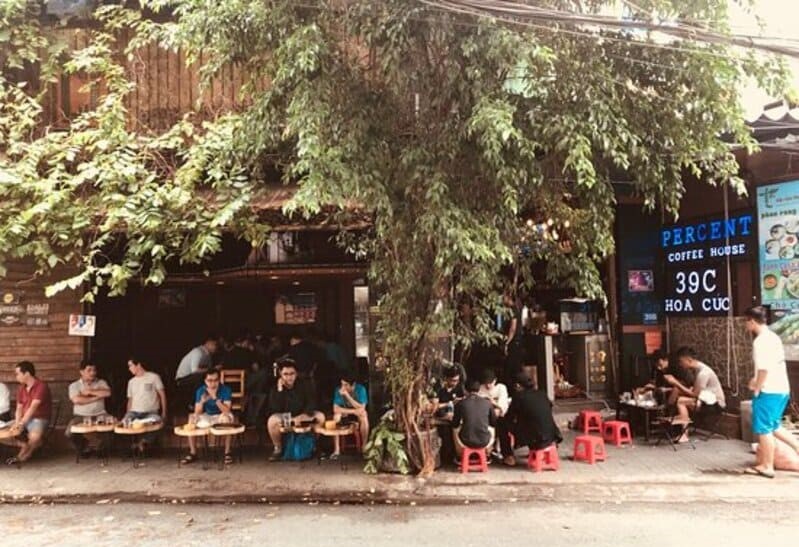
This article dives into what makes life here uniquely fulfilling — from simple routines and rich local culture to community bonds and emotional belonging — showing how ordinary days can turn into genuinely meaningful experiences for expats building long-term lives.
A Different Rhythm: Slowing Down Without Falling Behind
One of the first things expats notice about daily life in Vietnam is its unique rhythm. Days start early with streets alive with coffee vendors and breakfast stalls, then soften in the afternoon before spilling into lively sidewalks and shared spaces by evening.
For newcomers from highly structured cultures, this pace can feel chaotic or inefficient. Yet over time, many discover a surprising joy: life feels less rushed, yet more complete. You learn to adjust expectations without sacrificing productivity. Meetings may start late, but friendships, conversations, and moments of presence begin early.
This understated tempo is one of the most rewarding aspects of lifestyle in Vietnam, creating space for reflection, meaningful connections, and a sustainable work-life balance that many expats didn’t even know they were missing.
Read more: Expat Life in Vietnam: Real Stories and InsightsLiving in Vietnam: Finding Comfort in Everyday Routines
Long-term happiness abroad isn’t built on grand moments; it thrives in repetition. Living in Vietnam becomes smoother — and unexpectedly joyful — once daily routines fall into place.
That could look like ordering the same iced coffee each morning without explanation, mastering alley shortcuts to avoid traffic, or exchanging friendly greetings with familiar faces at local markets. These small, consistent practices reduce friction, turning a foreign city into a functional, welcoming home.
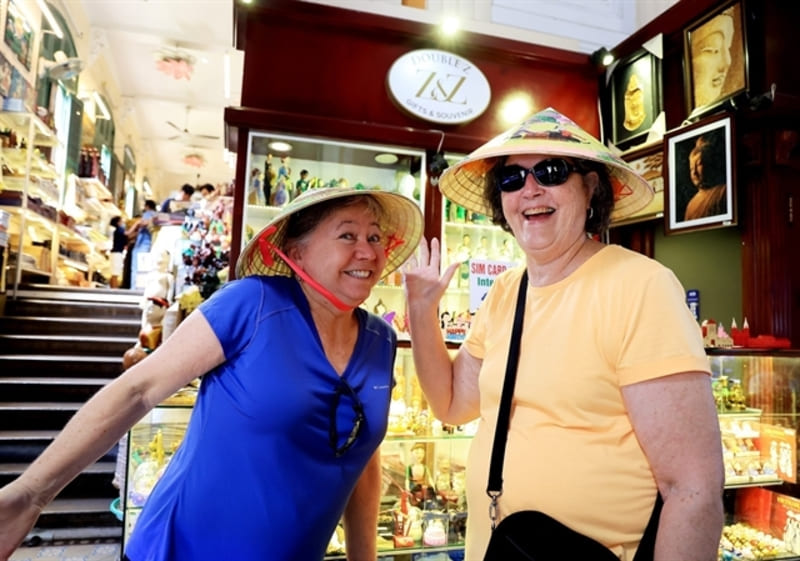
For expats, this stability is transformative. Every day life in Vietnam stops feeling like a constant adjustment and starts to feel intuitive. The mental energy once devoted to navigating uncertainty now fuels creativity, deepening relationships, and long-term planning, revealing the subtle, sustaining joys that make life abroad truly fulfilling.
Read more: Why Expats Fall in Love with Vietnam
Food as a Daily Joy, Not a Special Occasion
In daily life in Vietnam, food isn’t reserved for special occasions — it’s a constant, accessible pleasure. For expats, this can be a revelation: fresh, flavorful meals appear on every corner, affordable and seamlessly woven into routines
Street food isn’t a compromise; it’s a social equalizer. Office workers, students, families, and retirees eat side by side, creating spontaneous moments of connection. Over time, many expats stop planning meals and instead simply participate, enjoying the rhythm of local eating habits.
From warm breakfasts that require no cooking to shared lunches sparking conversation, and seasonal dishes that mark time naturally, these simple rituals provide consistent, subtle joy. For long-term residents, this is one of the clearest ways expat life in Vietnam offers daily nourishment, comfort, and a sense of belonging — proving that sometimes, happiness truly is found in the ordinary.
Community Without Formality
For many expats, the hardest part of relocating is feeling connected. In Vietnam, communities often form organically, without strict planning. Sidewalk seating, shared elevators, neighborhood shops, and casual greetings create countless low-stakes interactions that gradually build familiarity.
Over time, you’re recognized, remembered, and welcomed — a sense of belonging emerges almost effortlessly. Local culture in Vietnam quietly supports integration: relationships may begin with simple gestures, not deep conversation, but consistency fosters trust. Language fluency isn’t a requirement; showing up regularly is enough.
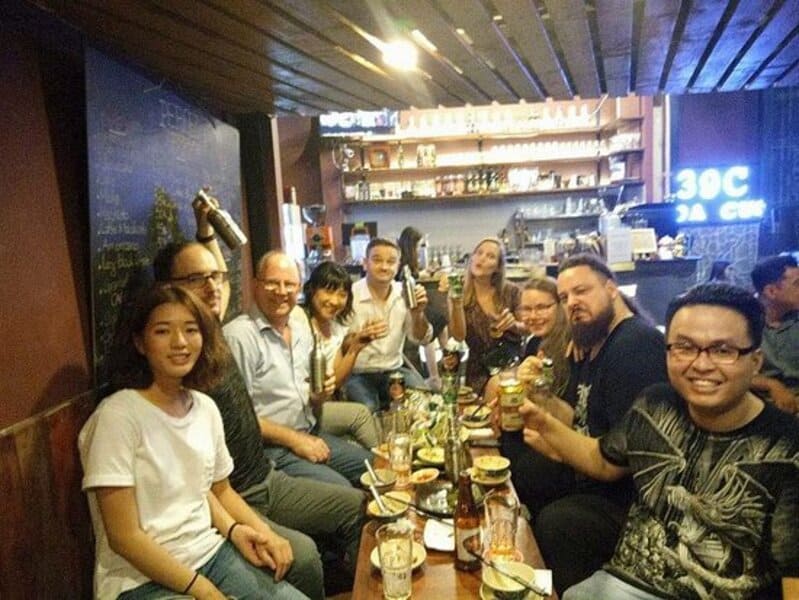
For those who felt lonely or isolated at first, this understated network often becomes a turning point. The joy lies not in constant socializing, but in knowing you are woven into the daily fabric of your neighborhood, fully part of life in Vietnam.
Read more: Local Friendships That Changed Expats’ Lives in Vietnam
Work-Life Balance That Evolves Naturally
Many expats arrive in Vietnam focused on career advancement or financial opportunity, often worried about long hours and burnout. Vietnam delivers on professional goals — but it also gently reshapes priorities.
Commutes may be chaotic, yet working hours are often flexible. Lunch breaks are genuine pauses, evenings aren’t automatically consumed by chores, and weekends feel accessible rather than pre-scheduled months ahead. This evolving work-life balance in Vietnam encourages long-term sustainability. Personal time feels earned, not stolen, and stress becomes manageable.
For remote workers, entrepreneurs, and professionals alike, long-term living in Vietnam often transforms the definition of success: from constant output to steady progress paired with daily satisfaction, showing that a fulfilling life abroad is possible without sacrificing well-being.
Read more: What Changes When Expats Work and Live in VietnamThe Emotional Shift: From Adjustment to Belonging
For many expats, the most meaningful joys of living abroad in Vietnam are emotional, not logistical.
Early days can feel heavy, with language barriers, cultural differences, and constant uncertainty. Over time, these challenges become manageable through consistent exposure, cultural humility, and small personal wins.
Eventually, what once felt foreign starts to feel navigable, and expats move from asking, “How do things work here?” to saying, “This is how my life works.” This emotional shift, subtle yet profound, marks the transition from mere adaptation to genuine belonging. It provides a grounding sense of stability, forming the core of a long-term lifestyle in Vietnam and allowing expats to embrace daily life fully, confidently, and with deep satisfaction.
Read more: Finding “Home” Far Away: Real Stories from Tenants
Everyday Experiences That Add Up Over Time
The everyday experiences of living in Vietnam rarely feel dramatic — and that’s exactly what makes them meaningful.
Joy accumulates through quiet mornings before the city wakes, familiar routes that feel safe, shared laughter across language gaps, and a growing sense of competence in daily routines.

These small, consistent moments build confidence and gradually replace the uncertainty and stress of adjustment with ease. For expats, this is when Vietnam stops feeling temporary. Daily life in Vietnam becomes genuinely livable, even enjoyable, without constant comparison to “home,” creating a sense of comfort and long-term belonging.
Read more: Things Expats Slowly Learn to Love in VietnamWhy Simple Joys Matter for Long-Term Expats
Short-term stays in Vietnam thrive on novelty, but long-term life demands comfort and stability. The small, consistent pleasures of daily life in Vietnam — from familiar routines to effortless local interactions — anchor expats through challenging periods and amplify moments of joy.
Without these joys, even the most exciting destination can feel exhausting. With them, challenges feel manageable, and life becomes sustainable.
It’s no surprise that many long-term expats extend contracts, move from temporary rentals, and invest emotionally in their surroundings, finding that daily satisfaction is the foundation of lasting belonging and commitment.
Read more: The Turning Point: Why Expats Stay Long-Term in VietnamLiving Well, Not Just Living Cheaply
Vietnam is often praised for affordability, but low cost alone doesn’t guarantee happiness. The true allure of living in Vietnam lies in the quality of life — access to small daily pleasures, emotional breathing room, and a sense of progress without constant pressure.
Living well isn’t about luxury; it’s about alignment between effort and reward, work and rest, individuality and community. This rare balance transforms a practical relocation into a meaningful life choice.
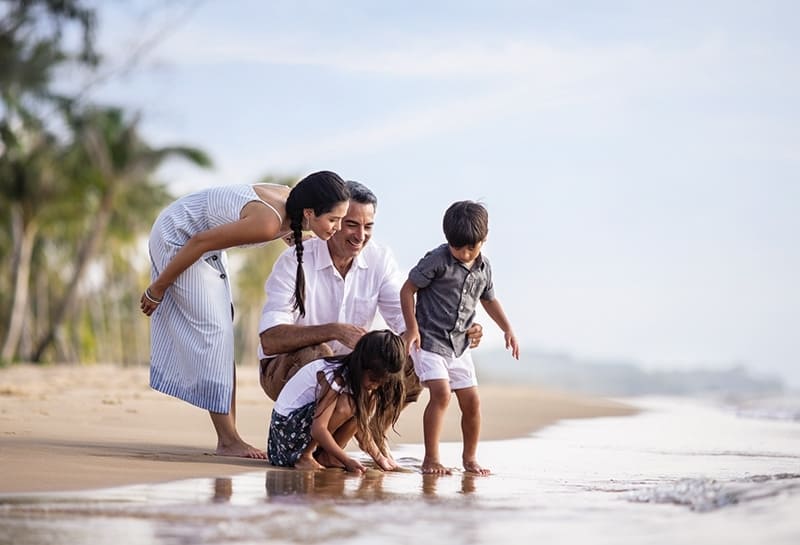
For many expats, it’s these subtle but consistent joys that make everyday life fulfilling, sustainable, and uniquely rewarding in Vietnam.
Read more: How Expats Redefine “Belonging” While Living in VietnamFinal Thoughts: Choosing Joy in Daily Life
Living in Vietnam isn’t defined by big milestones; it’s shaped by the ordinary days in between — small comforts, familiar faces, and routines that quietly support personal growth. For expats who slow down, stay open, and embrace daily life, Vietnam offers something rare: joy that unfolds naturally, without scheduling.
At JHouse, we focus on helping expats find the right home, so their living space becomes a foundation for comfort, stability, and fulfillment. When your home supports your lifestyle, career, relationships, and sense of belonging have room to flourish.
The everyday joys are already present; for those willing to stay, notice, and engage, Vietnam transforms from a temporary stop into a deeply satisfying home.
JHouse Content Team
The in-depth content development team on housing services for foreigners & Vietnamese in Vietnam. The content is simple, easy to understand, and logically arranged to bring readers useful topics and information from real experiences.
Local Friendships That Changed Expats’ Lives in Vietnam
Local Friendships Shaping Expat Life in Vietnam
Local friendships often mark the moment when expat life in Vietnam stops feeling temporary and starts feeling real. Many newcomers arrive with visas approved, jobs secured, and housing arranged—yet still feel disconnected from the rhythms of daily Vietnamese life.

What truly changes that experience is rarely a better apartment or higher salary. It’s a human connection. A neighbor who notices when you’re missing. A colleague who quietly explains what isn’t written down. A local friend who helps you understand not just how things work, but why they matter.
This article explores how local friendships influence daily routines, shift mindsets, and shape long-term decisions—helping expats move beyond adjustment and toward a genuine sense of belonging in Vietnam.
From Arrival to Isolation: A Common Expat Experience
Vietnam is vibrant, social, and deeply community-driven—but for many newcomers, that energy can feel overwhelming rather than welcoming. In the early months, expats often lean on familiar circles: coworkers, international schools, or the wider expat community. These spaces offer comfort and shared understanding, but they can also create an invisible bubble.
Without meaningful local friends, daily life tends to remain transactional. Renting a home, visiting a clinic, or even greeting neighbors can feel surprisingly stressful. Cultural nuances stay unexplained, small frustrations accumulate, and loneliness quietly replaces the excitement of arrival.
This is one of the most common challenges of living in Vietnam long-term: being physically present, yet emotionally distant. And it’s precisely at this point that local connections begin to make all the difference.
Read more: The Most Common Culture Shocks for New Expats in Vietnam
Local Friendships: The Invisible Bridge to Belonging
Local friendships are not just social add-ons; they are the invisible bridge into the rhythm of Vietnamese life. A single genuine relationship can unlock insights that years of observation never will.
Through local friends, expats begin to understand unspoken social cues, navigate bureaucracy with greater confidence, and experience everyday Vietnam beyond familiar expat routes. More importantly, they start to feel recognized as individuals—not just foreigners passing through.
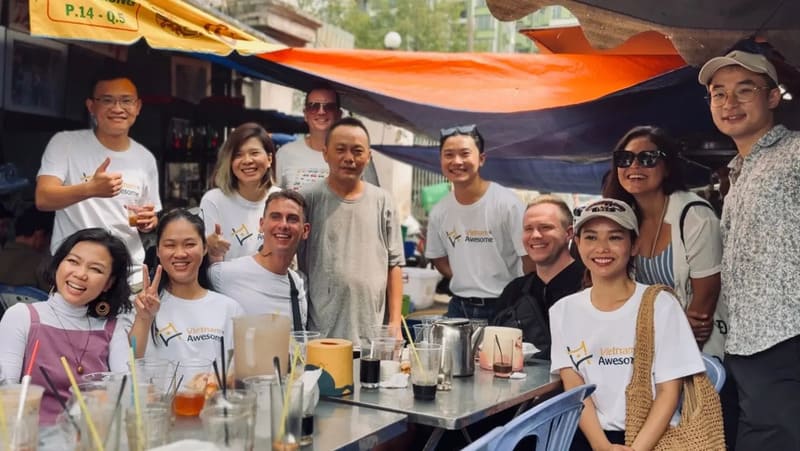
For many expats, this is the moment when Vietnam stops feeling temporary. Daily interactions gain meaning, routines feel lighter, and uncertainty softens. This is where expat integration in Vietnam truly begins—not through paperwork or time spent, but through human connection.
Read more: How Expats Redefine “Belonging” While Living in VietnamHow Local Friends Change Daily Life in Vietnam
Local friendships reshape daily life in Vietnam in ways that go far beyond convenience. They influence how expats understand culture, navigate practical challenges, and move through the city with confidence.
1. Cultural Connection Beyond the Surface
Vietnamese culture is rich, layered, and often unspoken. Concepts such as saving face, indirect communication, or family-first values can be difficult to grasp through observation alone.
Through ongoing cultural exchange, local friends translate these ideas into a lived context—explaining not just what is happening, but why it matters. Over time, expats stop asking, “Why does this work this way?” and begin understanding, “Why this makes sense here.” That shift reduces frustration, builds empathy, and lays the foundation for long-term adaptation.
2. Practical Support That Builds Confidence
Many local relationships that change expat life begin with small, practical moments: help setting up utilities, advice on rental terms, or recommendations for trustworthy clinics. Local friends understand the informal systems behind daily life—how to negotiate fairly, when to ask questions, and what details to double-check.
This guidance turns uncertainty into clarity and allows expats to take ownership of their daily life in Vietnam instead of constantly second-guessing decisions.
Read more: Building a Support System in Vietnam Through Expat Communities3. A Sense of Safety and Stability
Knowing someone who has your back changes how you experience a city. Whether it’s a neighbor, coworker, or friend-of-a-friend, local connections form an informal safety net. For families, solo expats, and newcomers navigating expat experiences for the first time, this sense of support transforms Vietnam from a place you manage into a place where you feel grounded.
Read more: Why Expats Fall in Love with Vietnam
Making Local Friends in Vietnam: What Actually Works
Building local friendships in Vietnam doesn’t happen overnight—and it can’t be forced. Expats who succeed rarely follow a formula; instead, they develop a few intentional habits that create space for genuine connection.

1. Show Up Consistently
Consistency matters more than charisma. Showing up at the same café, gym, or neighborhood shop builds familiarity over time. Brief greetings slowly turn into conversations, and conversations become trust. Friendship grows not through big gestures, but through presence.
2. Join Purpose-Driven Communities
Purpose-driven communities also play a key role. Language exchanges, volunteer groups, sports clubs, or creative workshops create natural environments for social integration. Shared activities remove pressure and place everyone on equal footing, allowing relationships to form organically.
3. Learn (Some of) the Language
Language, even at a basic level, signals respect. A few Vietnamese phrases can soften interactions, invite patience, and open doors that fluent English never will. Effort often matters more than accuracy.
4. Shift from Convenience to Curiosity
Finally, expats who form meaningful local friendships shift from convenience to curiosity. Instead of staying within expat-only spaces, they ask questions, listen more than they speak, and accept differences without rushing to judge them.
These small, consistent choices are at the heart of building local friendships as an expat—not perfectly, but genuinely, and often more deeply than expected.
Stories That Change Everything
Many long-term expats can trace a defining shift in their journey back to a single relationship. It might be a Vietnamese colleague who slowly became a trusted mentor, a neighbor who showed up during a medical emergency, or a local family who welcomed an expat into cherished holiday traditions.
Moments like these quietly redefine what “home” means. They turn making local friends in Vietnam from a pleasant idea into a life-changing reality. Through these connections, expats gain far more than companionship—they gain perspective, resilience, and the steady reassurance of belonging in a place that once felt unfamiliar.
Read more: Funny & Unexpected Moments When Living in HCMC
Local Friendships and Long-Term Decisions
When expats begin to feel genuinely connected, their long-term decisions naturally start to shift. Short-term contracts turn into longer commitments. Temporary rentals evolve into real home searches. Vietnam slowly changes from “where I work” to “where I live.”
Local friendships play a quiet but powerful role in this transition. They influence how expats think about career growth, raising families, investing in property, and even whether to stay through inevitable challenges or move on. When people feel supported and understood, uncertainty becomes easier to manage and long-term planning feels less risky.
Belonging reshapes priorities. It creates emotional roots that anchor people before any practical decision is made. For many expats, it’s not paperwork or opportunity that keeps them in Vietnam—it’s the relationships that make staying feel meaningful.
Read more: Finding “Home” Far Away: Real Stories from Tenants
When Connection Feels Hard: A Realistic Perspective
Not every effort turns into friendship, and cultural gaps don’t disappear overnight. Misunderstandings happen. Schedules don’t align. Daily life gets busy—on both sides.
But local friendships aren’t built on perfection. They grow through effort, patience, and a willingness to stay open even when things feel awkward or slow. Sometimes, a few genuine connections—however limited—are enough to ease loneliness and soften the sharp edges of cultural shock.
For expats struggling with isolation, this is an important reminder: integration is not a personality trait or a social skill you either have or don’t. It’s a process that unfolds over time, shaped by small, consistent moments of connection. And those moments, quietly and steadily, make life in Vietnam feel more human—and more livable.
Read more: Lessons Learned from First-Time Renters in Vietnam
Finding Support While You Build Connections
While meaningful friendships grow over time, reliable professional support helps expats feel grounded along the way. Clear housing solutions, legal guidance, and trusted local insight reduce daily friction—freeing mental space for connection to happen naturally.
At JHouse, we work with expats who are building lives, not just securing apartments. By simplifying housing decisions and sharing local understanding, we help create the stability that allows deeper relationships—and a genuine sense of belonging in Vietnam—to take root.
Read more: JHouse – Where Great Homes Meet Great People
Final thought: From Living to Belonging
Local friendships are often the quiet force behind the most meaningful expat journeys. They turn expat life in Vietnam from a checklist of logistics into a shared human experience—shaped by trust, patience, and cultural understanding.
Over time, these relationships influence more than daily routines. They shape identity, soften cultural distance, and guide long-term choices about work, family, and where “home” truly is. Vietnam rarely feels easy—but through local friendships, it becomes familiar, navigable, and deeply personal.
Belonging doesn’t come from mastering systems alone; it grows when the foundations of daily life feel stable enough to open outward. At JHouse, we support expats at that starting point—creating housing stability and local clarity so meaningful connections can grow naturally. For those seeking more than convenience, local friendships are where living slowly becomes belonging.
JHouse Content Team
The in-depth content development team on housing services for foreigners & Vietnamese in Vietnam. The content is simple, easy to understand, and logically arranged to bring readers useful topics and information from real experiences.

Expat Couples in Vietnam: Love, Work & Life Together
Thriving as Expat Couples in Vietnam: Love, Work & Life Together
Expat couples in Vietnam are finding that life here is far more than a temporary stop—it’s an opportunity to build a shared future. From bustling cities to tranquil coastal towns, couples face the exciting challenge of balancing love, careers, and daily life while navigating cultural differences, local customs, and personal growth.

Whether relocating for work, adventure, or family, knowing how to tackle common obstacles—like finding the right home, managing work-life balance, and connecting with a community—is essential to truly thriving.
With thoughtful planning, open communication, and a willingness to embrace new experiences, expat couples in Vietnam can turn challenges into opportunities and create a deeply fulfilling life together.
Expat Couples in Vietnam: Building a Life Together
Living as expat couples in Vietnam is more than finding housing or securing jobs—it’s about intentionally shaping a shared life that fits both partners. Couples often face challenges such as adapting to local culture, managing careers, balancing daily routines, and creating a home that truly feels theirs.
With thoughtful planning, open communication, and supportive community networks, these challenges can transform into opportunities for personal growth, stronger bonds, and deeper connections.
Read more: Expat Life in Vietnam: Real Stories and InsightsChoosing the Right City for Couples
Vietnam offers a variety of living experiences, and selecting a city that aligns with your lifestyle is crucial. Consider these options:
- Ho Chi Minh City: Perfect for ambitious professionals and families seeking career growth, international schools, and a lively social life. Expect traffic and higher living costs.
- Hanoi: Ideal for educators, diplomats, and culture enthusiasts. Enjoy heritage streets, lake walks, and rich culture, but a slower pace and bureaucratic hurdles exist.
- Da Nang: Attractive to remote workers and retirees who prefer beachside living, fresh air, and flexibility, though expat networks are smaller.
- Hoi An & Da Lat: Suited for creatives and slow-living couples. Peaceful, artistic, and affordable, but with limited healthcare and job options.
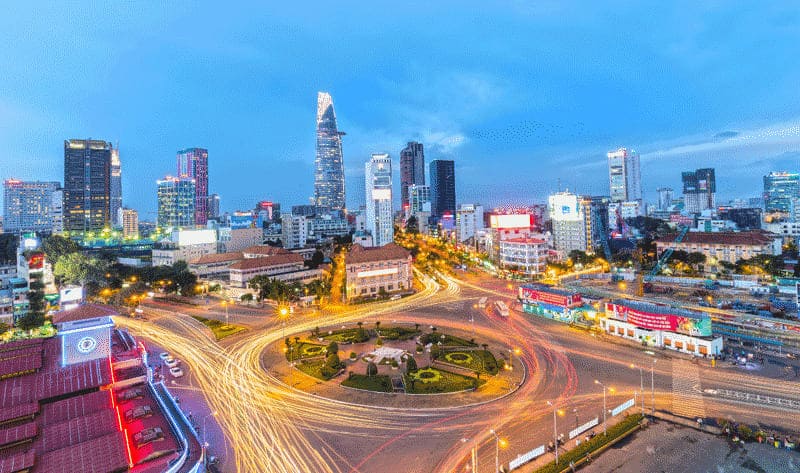
Think of the first few months as a trial period: rent short-term, explore neighborhoods, and understand local rhythms before committing. This approach ensures your home supports both your professional ambitions and personal well-being, setting the foundation for a fulfilling life together.
Finding Housing That Fits Both Partners
For expat couples in Vietnam, finding a home that suits both partners can be challenging—but it sets the tone for daily life and emotional well-being. Popular housing options include:
- Serviced apartments: Move-in ready, ideal for easing into life in Vietnam.
- Condos: Modern, secure, perfect for couples or small families.
- Shared housing: Budget-friendly, community-oriented, ideal for short-term stays or solo work trips.
- Villas: Private and spacious, perfect for couples seeking comfort and outdoor space.
Working with trusted agencies like JHouse helps avoid hidden fees, unclear contracts, and stress. Choosing the right home ensures a smoother, more enjoyable life together and supports long-term happiness.
Read more: Lessons Learned from First-Time Renters in Vietnam
Work-Life Balance for Expat Couples
Balancing career ambitions with personal life is a constant challenge for couples building life together in Vietnam. Many navigate international jobs, side projects, and shared household responsibilities while adjusting to a new environment.
Effective strategies include:
- Aligning career goals with local work culture
- Planning routines that allow quality couple time
- Carving out personal downtime

Utilizing coworking spaces and tapping into expat networks can help separate work from home life, reduce stress, and create a balanced rhythm that supports both professional growth and relationship well-being.
Read more: Everyday Joys of Living in VietnamNavigating Cultural Differences
Adjusting to life together in Vietnam means embracing cultural differences as part of the daily journey. Common challenges include:
- Language barriers at work and in daily routines
- Differences in local customs and etiquette
- Adapting family habits to the Vietnamese lifestyle
Embracing cultural humility, staying curious, and actively participating in community activities turn potential frustrations into growth opportunities. Using apps like Meetup, InterNations, and joining hobby or volunteer groups helps couples build meaningful connections, strengthen relationships, and truly feel integrated into local life.
Read more: The Most Common Culture Shocks for New Expats in Vietnam
Budgeting for Two: Smart Financial Planning
For expat couples in Vietnam, managing finances is key to enjoying a stress-free and fulfilling life. While Vietnam is generally affordable, intentional spending ensures comfort, flexibility, and opportunities to explore. Typical monthly expenses for two adults include:
| Expense | Estimated Monthly Cost (USD) | Notes |
| Rent (1BR/2BR apartment) | $400–$1,200 | Varies by city & district |
| Utilities & Internet | $50–$120 | Depends on lifestyle |
| Food & Dining | $300–$600 | Includes occasional dining out |
| Transportation | $50–$100 | Motorbikes, Grab, or public transport |
| Healthcare Insurance | $100–$300 | Local or international plans |
Setting a realistic budget helps couples avoid surprises, plan for adventures, and invest in experiences that strengthen their relationship, turning daily living into a smoother, more enjoyable journey together.
Read more: Long-Term Budgeting in Vietnam: Monthly Costs & Smart Saving TipsHealthcare: Peace of Mind for Couples
Prioritizing reliable healthcare and comprehensive health insurance is crucial for couples building a life together in Vietnam.
Private hospitals and clinics, including FV Hospital (HCMC), Family Medical Practice, and Raffles Medical, offer bilingual services and international standards of care. Selecting the right health plan ensures both partners are covered for emergencies, chronic conditions, and preventive care.
Thoughtful healthcare planning provides peace of mind, allowing couples to focus on careers, family life, and fully enjoy their experience in Vietnam with confidence and security.
Raising a Family as an Expat Couple
Couples raising children abroad in Vietnam can find a supportive and enriching environment. The country offers:
- Top international schools like ISHCMC, BIS, and UNIS Hanoi
- Family-friendly neighborhoods such as Thao Dien, Tay Ho, and An Thuong (Da Nang)
- Weekend escapes to beaches, mountains, and national parks
Living and parenting as an expat couple in Vietnam allows children to grow as adaptable, global-minded, and culturally fluent third-culture kids. Thoughtful planning ensures both parents and children thrive in this dynamic and welcoming environment.
Read more: Raising Kids as an Expat: Stories Beyond Schools and HousingBuilding Community and Connection
Strong social connections are essential for couples building a life together in Vietnam.
Many discover community through:
- Facebook groups like Foreigners in Saigon, Hanoi Massive Community, and Expats in Da Nang
- o-working spaces such as The Hive, Toong, and CirCO
- hobby and volunteer groups focused on yoga, hiking, reading, or charity work
Cultivating these connections reduces isolation, offers practical support, and makes daily life more meaningful. Engaging with local and expat networks helps couples feel integrated, enriches their shared experiences, and strengthens their bond while living abroad.
Read more: Building a Support System in Vietnam Through Expat CommunitiesOvercoming Common Challenges
Building a life together in Vietnam comes with inevitable challenges. Couples often face visa renewals, bureaucratic hurdles, language gaps, and cultural misunderstandings, alongside navigating work and housing logistics.
The key to thriving lies in flexibility, resourcefulness, and seeking support. Leveraging local networks, expat communities, and professional advisors helps partners transform obstacles into growth opportunities.
With the right mindset, challenges become lessons that strengthen relationships, deepen cultural understanding, and create a more confident, fulfilling life while living abroad in Vietnam.
Read more: The Most Common Culture Shocks for New Expats in Vietnam
Thinking About Long-Term Roots
As couples consider settling down in Vietnam, the question of buying property versus continuing to rent often arises. Homeownership can be a meaningful declaration of belonging, but it requires careful planning:
- Understanding foreign ownership laws
- Knowing investment limits and policies
- Performing due diligence to ensure long-term security
Even while renting, consciously shaping your living environment helps create a sense of stability and home. Thoughtful choices today lay the foundation for a lasting, fulfilling life together in Vietnam.
Final Thoughts: Life as Expat Couples in Vietnam
For expat couples in Vietnam, building a life together is a journey of discovery, adaptation, and growth. Navigating love, careers, and daily routines while embracing cultural differences and forming supportive networks is both challenging and rewarding.
From finding the right home and managing finances to raising a family and cultivating meaningful connections, Vietnam offers countless opportunities to thrive rather than merely get by. At JHouse, we guide couples through the practicalities and uncertainties of relocation, helping you find not just a house, but a home where your shared life can flourish.
Let Vietnam become more than a destination—let it be the canvas for your adventures, growth, and the story you create together.
JHouse Content Team
The in-depth content development team on housing services for foreigners & Vietnamese in Vietnam. The content is simple, easy to understand, and logically arranged to bring readers useful topics and information from real experiences.

The Most Common Culture Shocks for New Expats in Vietnam
Culture Shock in Vietnam: What New Expats Should Expect
Moving abroad is exciting—but culture shocks rarely arrive all at once. Instead, they surface quietly in everyday moments: a conversation that feels indirect, a routine that suddenly shifts, or a simple task that takes more effort than expected. For many newcomers, culture shocks in Vietnam aren’t about dramatic differences—they’re about the accumulation of small surprises that make “normal” feel unfamiliar.

Vietnam welcomes new expats with warmth, energy, and opportunity. Yet adjusting to life here requires more than handling visas or finding housing. It calls for awareness, patience, and a willingness to see daily life through a new lens. This guide explores the most common culture shocks new expats face in Vietnam—not to overwhelm you, but to help you recognize them early, adapt with confidence, and move from confusion toward genuine belonging.
A Shift That Every New Expat Faces
Culture shock isn’t a failure to adapt—it’s evidence that adaptation is already happening. When you move to Vietnam, everyday routines reset almost overnight. Familiar social cues fade, unspoken rules shift, and systems operate on different logic. Tasks that once felt automatic now demand attention, patience, and constant adjustment.
For new expats in Vietnam, culture shock rarely arrives as a single moment. It unfolds in stages—initial excitement, subtle frustration, and eventually, growing clarity. The discomfort in between is not a warning sign; it’s part of the integration process itself.
Living in Vietnam as an expat means learning how daily life works beneath the surface. And that learning begins by recognizing the most common culture shocks—not as obstacles to avoid, but as signals that you’re moving closer to understanding, and ultimately, belonging.
Read more: Expat Life in Vietnam: Real Stories and InsightsCulture Shocks New Expats Commonly Experience in Vietnam
1. Communication Is Indirect—and Context Matters
One of the earliest culture shocks new expats experience in Vietnam is the communication style. In many Western cultures, directness signals honesty and efficiency. In Vietnam, however, harmony and mutual respect often matter more than blunt clarity.
You may hear “yes” even when an answer is uncertain, or receive responses that feel vague rather than definitive. This isn’t avoidance or inconsistency—it’s a form of cultural courtesy designed to preserve relationships and avoid discomfort. For expats new to Vietnam, learning to read tone, timing, and non-verbal cues quickly becomes part of daily life.

How to adapt:
Ask open-ended questions, listen between the lines, and observe patterns over time. In Vietnam, understanding rarely comes from confrontation—it grows through familiarity, trust, and ongoing relationships.
2. Time Feels Flexible
Vietnam moves to a different rhythm. Meetings may start later than planned. Deadlines shift. Arrangements change with little notice. For many new expats, this fluid sense of time quickly becomes a daily culture shock.
Rather than strict schedules, Vietnamese daily life prioritizes responsiveness and human presence. What matters most is not punctuality, but being available when it counts.
How to adapt:
Build buffer time into your plans and follow up with patience rather than pressure. As you stop measuring time too rigidly, daily life in Vietnam begins to feel less frustrating—and far more manageable.
3. Personal Space Works Differently
Crowded sidewalks, close conversations, and constant movement are part of everyday life in Vietnam. For many newcomers, the reduced sense of physical space can feel overwhelming or mentally draining at first.
This culture shock isn’t about intrusion—it reflects a communal culture where shared space is normal and expected. In busy cafés, markets, and neighborhoods, proximity signals coexistence rather than disrespect.
How to adapt:
Balance stimulation by choosing environments that match your comfort level. Quieter cafés, calmer districts, and regular time in green spaces help you recharge while adjusting gradually to the rhythm of daily life.
4. Noise Is Part of the Landscape
Motorbikes, street vendors, construction, karaoke—sound is woven into daily life in Vietnam. For many expats, constant noise becomes one of the most persistent culture shocks when living here. Silence is rare, especially in large cities. Yet noise in Vietnam often signals activity, livelihood, and connection rather than disorder.
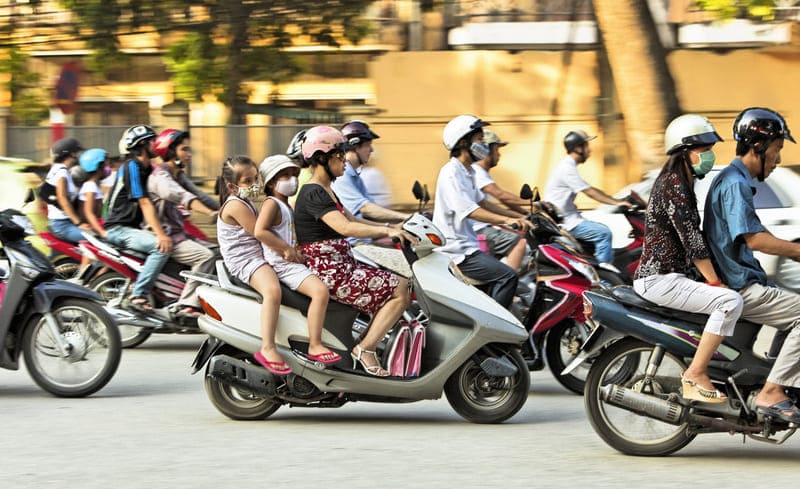
How to adapt:
Thoughtful housing choices, basic soundproofing, and noise-canceling tools can dramatically improve comfort. With time, what once felt overwhelming often blends into the background—and becomes part of the city’s living rhythm.
5. Hierarchy Shapes Social Interaction
Respect for age, status, and authority runs deeply through Vietnamese culture. New expats are often surprised by formal speech patterns, indirect decision-making, and visible deference to seniority—especially in workplaces, housing discussions, and family settings.
How to adapt:
Observe before asserting. Address people with respect and patience. Understanding hierarchy doesn’t limit communication—it often opens doors, smooths relationships, and helps you avoid misunderstandings before they happen.
6. Bureaucracy Requires Patience
From visas to banking, bureaucracy in Vietnam can feel unpredictable at first. Requirements may shift, procedures vary by location, and timelines often stretch longer than expected. For new expats, this becomes a major adjustment challenge—not because systems don’t work, but because they operate on different logic.
How to adapt:
Seek local guidance, double-check information, and allow extra time for every process. Flexibility and patience aren’t optional here—they’re part of the system. Seasoned expats learn that persistence, not pressure, is what ultimately gets things done.
7. Service Culture Is Relationship-Based
Customer service in Vietnam often prioritizes relationships over standardized systems. New expats may feel confused when service feels exceptional one day and distant the next—especially if they’re used to predictable processes. This inconsistency is a common culture shock, not a lack of professionalism.
How to adapt:
Build rapport and return to the same places regularly. Polite familiarity, patience, and trust often lead to smoother interactions than formal complaints or rigid expectations ever could.
8. Community Comes Before Individual Convenience
Vietnamese culture places strong emphasis on collective well-being. Family, neighbors, and social circles often influence decisions—from housing to career choices. For new expats, this can feel restrictive at first, especially if independence is a core value.
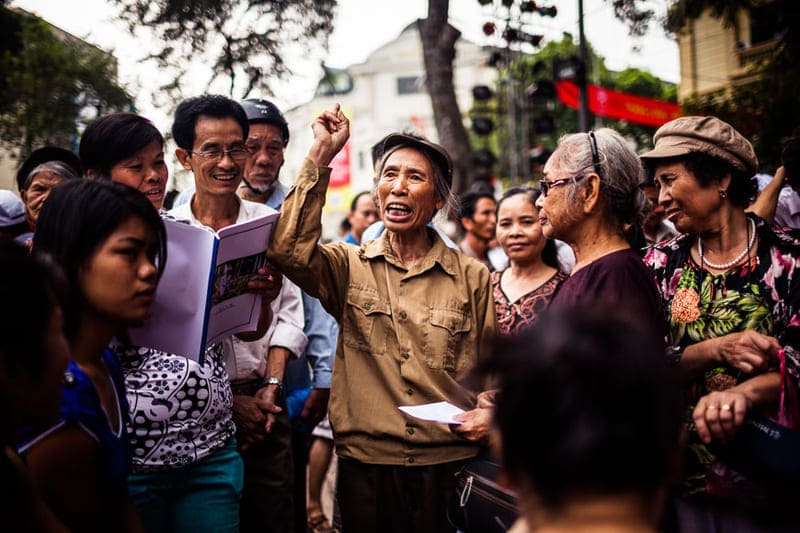
How to adapt:
Reframe community as support rather than limitation. Over time, strong social networks make daily life easier, safer, and far more meaningful than navigating everything alone.
Read more: Building a Support System in Vietnam Through Expat CommunitiesTurning Culture Shock into Cultural Understanding
The most common culture shocks for new expats in Vietnam aren’t obstacles—they’re entry points into deeper understanding. Each moment of confusion invites learning, and each misunderstanding gradually builds cultural fluency. These experiences shape how expats learn to navigate daily life beyond surface-level differences.
Adapting to life in Vietnam doesn’t require abandoning your identity—it asks you to expand it. With time, what once felt foreign becomes familiar. What felt frustrating turns functional. And what seemed temporary begins to feel grounded and real.
At JHouse, we witness this transformation every day. Expats arrive uncertain, work through culture shocks, and gradually find rhythm, connection, and confidence in Vietnam—turning adjustment into genuine belonging.
Read more: Why Expats Fall in Love with Vietnam
Practical Tips for Adapting Faster
Adapting to a new culture doesn’t happen overnight. But small, intentional choices in daily life can make culture shocks in Vietnam feel more manageable—and far less overwhelming over time. These practical habits help new expats move through uncertainty with greater ease and confidence:
- Observe first, before reacting to unfamiliar situations
- Ask locals and experienced expats for context, not just answers
- Choose housing that supports your lifestyle and energy level
- Learn a few basic Vietnamese phrases to ease daily interactions
- Accept discomfort as a natural part of personal growth
Understanding culture shocks in Vietnam helps you move beyond survival mode. With the right mindset and support, adaptation becomes clarity—and daily life begins to feel less like adjustment, and more like belonging.
Final Thoughts: From Culture Shock to Cultural Confidence
Culture shocks are not signs that Vietnam isn’t right for you. There are signs that you’re stepping outside familiarity and into growth. For new expats, the journey through culture shock is often the gateway to deeper connection, resilience, and understanding.
Living in Vietnam as an expat becomes easier when you stop resisting difference—and start learning from it. With the right mindset, local insight, and support system, confusion transforms into clarity.
At JHouse, we help expats find housing that supports a smoother transition into life in Vietnam. Because the right home makes daily adjustments easier—and feeling at home begins with the space you live in.
JHouse Content Team
The in-depth content development team on housing services for foreigners & Vietnamese in Vietnam. The content is simple, easy to understand, and logically arranged to bring readers useful topics and information from real experiences.

Funny & Unexpected Moments When Living in HCMC
Expat Life in HCMC: Funny & Unexpected Daily Moments
Living in HCMC often starts with excitement — new food, unfamiliar streets, and a rhythm that feels both chaotic and alive. But somewhere between your first motorbike ride and your first confidently mispronounced Vietnamese phrase, something unexpected happens: you realize how funny daily life here can be.

Ho Chi Minh City doesn’t ease you in gently. It pulls you into motion — noise, warmth, confusion, spontaneous smiles, and moments so absurd they quickly become stories you’ll tell again and again. For many expats, daily life in HCMC brings surprises that test patience, challenge assumptions, and leave you laughing at yourself in public.
These moments aren’t just amusing details. They’re how strangers slowly become residents — and how living in HCMC begins to feel like home.
Read more: The Most Common Culture Shocks for New Expats in VietnamA City That Constantly Keeps You Guessing
If there’s one thing you learn quickly about living in Ho Chi Minh City, it’s that predictability is overrated. A five-minute errand can turn into a 45-minute street-side coffee conversation. A quiet evening plan might end with a wedding party unfolding right outside your apartment door.
This is often where expats experience their first real culture shock living in HCMC. Schedules stretch. Rules bend. “Tomorrow” might mean tomorrow — or sometime next week. At first, these daily surprises in Saigon can feel disorienting, even frustrating.
But over time, something shifts. You realize life here doesn’t move by rigid timelines. It moves through relationships, shared moments, and human connection — and once you accept that, the city starts to make sense.
When Language Barriers Turn Into Punchlines
Even with basic Vietnamese, misunderstandings are inevitable — and often hilarious — when living in HCMC. You confidently order what you think is a simple iced coffee, only to receive something neon-colored and completely unexpected. You try to thank someone politely and accidentally use a word meant for close friends.
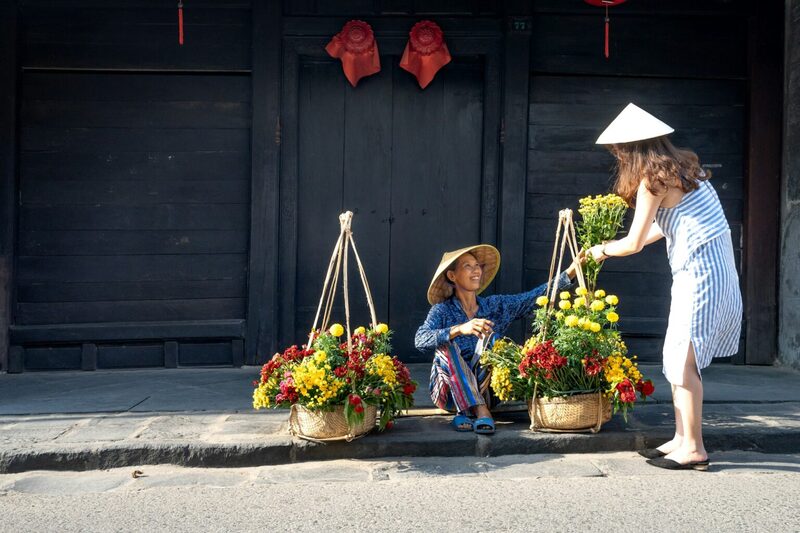
The reaction is almost always the same: laughter, patience, and help. For many expats, these funny moments living in HCMC quickly become icebreakers rather than obstacles. Locals value effort more than accuracy, and every small mistake becomes part of your expat experience in HCMC.
Over time, you learn that communication here goes far beyond vocabulary. It’s not about saying everything right — it’s about showing up with humility, openness, and a sense of humor.
The Unspoken Rules of Saigon Street Life
Saigon street life is a living organism — constantly breathing, moving, and adapting in ways no guidebook can fully explain. When living in HCMC, crossing the street for the first time often becomes a defining moment. Traffic doesn’t stop; it flows around you. Hesitation feels dangerous, while steady confidence somehow works.
Sidewalks transform into cafes, repair shops, and open-air living rooms. Plastic stools appear out of nowhere. A simple meal turns into a shared experience with people you’ve never met before. These unexpected moments in Ho Chi Minh City teach expats a quiet but powerful lesson: public space in Vietnam is shared space.
Once you stop resisting that idea and start moving with it, the city feels less chaotic — and far more welcoming.
Motorbike Culture: Chaos With a Hidden Order
Motorbike culture in Saigon looks chaotic — until you experience it while living in HCMC. At first, the constant horns feel aggressive and overwhelming. Over time, you realize they’re conversational. A beep doesn’t signal anger; it simply means, “I’m here.”
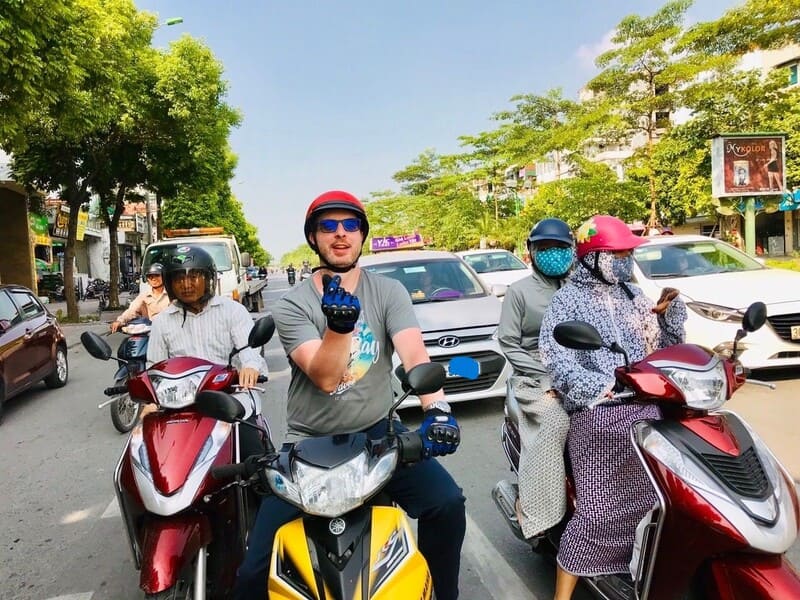
Traffic doesn’t move by strict lanes or rigid rules. It flows through collective awareness, unspoken coordination, and mutual attention. Many expats laugh when they remember their early days — gripping the back of a motorbike in fear, avoiding rush hour at all costs. Months later, they’re navigating traffic with ease, balancing groceries, coffee, and sometimes even a passenger.
Adapting to life in Vietnam means accepting that order does exist here — just not in the way you were taught to expect.
Small Daily Habits That Catch Expats Off Guard
Some of the most amusing moments while living in HCMC come from ordinary routines. Lunch happens early, dinner happens late, and people eat whenever hunger strikes. Rain doesn’t cancel plans — it reshapes them. Coffee isn’t just a drink; it’s a reason to pause, observe, and connect with the world around you.
Vietnamese daily culture places presence above urgency. Locals take time to sit, talk, and share space — even on the busiest days. For expats accustomed to constant motion and packed schedules, this rhythm can feel confusing at first.
Then, almost without noticing, something changes. You stop rushing. You linger longer. And you realize that adapting to life in Vietnam isn’t about doing more — it’s about being more present.
Read more: Everyday Joys of Living in VietnamLiving in HCMC as an Expat Means Letting Go of Control
When living in HCMC, one lesson becomes clear over time: control is optional. Power outages happen. Deliveries arrive early — or far later than expected. Plans shift without warning, yet somehow, life continues to work itself out.

This loss of control challenges many newcomers at first. But it also creates freedom. When you stop managing every detail, daily life feels lighter. Frustration slowly turns into adaptability. Stress becomes material for stories rather than a source of anxiety.
Many expats discover that real transformation doesn’t come from mastering the city. It comes from allowing the city to soften them — reshaping how they respond, adapt, and ultimately, belong.
Read more: Things Expats Slowly Learn to Love in VietnamWhy These Moments Matter More Than You Think
It’s easy to dismiss these experiences as lighthearted anecdotes. But together, they shape something deeper. These moments quietly build resilience. They teach patience. They help expats see local habits in Vietnam not as inconveniences, but as expressions of a different rhythm of life.
More importantly, they create connections. Laughing through shared confusion brings people together faster than flawless integration ever could. Over time, what once felt unexpected begins to feel familiar. And that shift matters — because belonging doesn’t arrive all at once. It grows slowly, through small moments that gently turn a foreign city into home.
Read more: Why Expats Fall in Love with Vietnam
Finding Comfort in the Absurd
At some point, many expats notice a quiet shift. You stop explaining Vietnam to yourself. You stop measuring each day against memories of “back home.” Instead, you begin accepting life as it unfolds — imperfect, vibrant, deeply human.
Saigon doesn’t strive for polish or predictability. It moves with energy, improvisation, and constant motion. And once you learn to move with it, rather than resist it, daily frustrations soften into understanding. What once felt overwhelming becomes familiar. The city stays exactly the same. But gradually, almost without noticing, you change.

How JHouse Helps Turn Chaos Into Comfort
Laughter helps — but stability is what allows expats to truly settle. When housing, neighborhoods, and daily logistics feel uncertain, even small challenges can become exhausting. That’s where the right support makes a real difference.
At JHouse, we help expats move past survival mode and into a sense of belonging. By matching lifestyles with the right neighborhoods and securing homes that feel safe, practical, and personal, we remove much of the invisible stress that comes with relocating. When your living situation works, the city opens up — no longer something to endure, but something to enjoy.
Read more: Finding “Home” Far Away: Real Stories from Tenants
Final thought: From Funny Moments to a Sense of Home
Every expat remembers their first confusing day in Saigon. When living in HCMC, few expect how quickly those moments turn into memories they wouldn’t trade for anything — the misunderstandings, the laughter, the quiet wins that make daily life feel earned.
Over time, the city surprises you less — not because it’s changed, but because you have. And when the unexpected still appears, you meet it with a smile instead of resistance.
That’s when Ho Chi Minh City stops being just a place you live and starts feeling like home. And with the right support — a home that fits, a neighborhood that feels right — settling in becomes easier. At JHouse, we’re here to help that feeling arrive a little sooner.
JHouse Content Team
The in-depth content development team on housing services for foreigners & Vietnamese in Vietnam. The content is simple, easy to understand, and logically arranged to bring readers useful topics and information from real experiences.

Finding “Home” Far Away: Real Stories from Tenants
Finding “Home” Far Away Through Real Tenant Stories
Finding “Home” Far Away is rarely about contracts, square meters, or perfect interiors. It’s about crossing an invisible line—when a place stops feeling temporary and starts supporting the life you’re trying to build.

For many expats, that shift doesn’t happen on arrival. It unfolds quietly, through unfamiliar routines, moments of doubt, and the comfort of returning to a space that finally feels steady.
In this article, we share real tenant stories that reveal the emotional reality of renting abroad—the uncertainty, small adjustments, and turning points that transform a rental into a home. These journeys capture what Finding “Home” Far Away truly means, offering reassurance to anyone navigating life, identity, and belonging in a new country.
From Address to Belonging: The Emotional Side of Renting Abroad
Renting abroad often starts with a checklist—budget, location, commute, lease terms. Yet beneath these practical choices lies a more personal question: Will this place support the life I’m trying to build? For most expat tenants, the first home isn’t perfect. It’s a temporary anchor—a safe landing that creates space to observe, adjust, and breathe.
The early weeks can feel emotionally loud. Unfamiliar sounds, new systems, and cultural gaps may leave even a beautiful apartment feeling distant. Over time, however, repetition brings comfort. A café that knows your order. A neighbor who nods in recognition. The moment days turn into plans. These subtle shifts signal something important: living abroad as a tenant is no longer about surviving the unfamiliar—it’s about slowly settling into a sense of belonging.
Read more: Why Expats Fall in Love with Vietnam
Real Tenant Stories: How ‘Home’ Slowly Takes Shape
Finding “Home” Far Away becomes real through people—not properties. Behind every lease is a personal turning point, a moment when uncertainty softens into clarity. The stories below reflect common paths taken by expat tenants who arrived with questions, hesitations, and exit plans—yet stayed long enough to discover something deeper than they expected.
Anna — Learning to Trust the Process
Anna moved to Vietnam on a two-year contract, already counting down to its end. Her first rental was intentionally practical. “I didn’t want anything that felt permanent,” she admits. For months, she treated her apartment like a placeholder.

But a year into long-term renting, her mindset shifted. She stopped scrolling through listings and began making the space her own—small changes, personal touches, familiar routines. “It wasn’t about the apartment anymore,” she reflects. “It was about who I was becoming living there.” Anna’s experience mirrors many expat tenant stories: home doesn’t appear when you search harder—it emerges when resistance fades.
David & Lina — Building Stability as a Couple
For David and Lina, renting abroad wasn’t about compromise—it was about alignment. They knew what they didn’t want: constant noise, disconnected neighborhoods, spaces that looked good online but felt wrong in daily life. After several viewings and near-misses, they realized their search wasn’t just practical—it was emotional.
When they finally found a place that matched their shared rhythm—slow mornings, walkable streets, room for connection—it felt effortless. “We stopped negotiating with ourselves,” Lina explains. “That’s when it felt like home.”
Marcus — From Short Stay to Long-Term Life
Marcus arrived as a digital nomad, moving frequently and avoiding long-term commitments. At first, flexibility felt freeing. Over time, it became exhausting. Constantly relocating left him emotionally suspended. Choosing a long-term lease brought unexpected calm. “Once I stopped treating my home as temporary,” he says, “everything else stabilized.” His tenant journey in a new country reflects a quiet truth: roots often form only after the decision to stay.
Read more: What Changes When Expats Work and Live in VietnamThe Real Pain Points Tenants Face—and How They Move Past Them
Every tenant story carries friction. Understanding these pain points explains why finding a home abroad as a tenant is as emotional as it is logistical.
For many first-time renters, uncertainty comes first. Unclear terms, communication gaps, or hidden costs create anxiety—not just about money, but about control. Peace often follows when tenants prioritize transparency and seek guidance early.
Another common challenge is the gap between expectation and reality. Photos rarely reveal noise levels, building culture, or daily convenience. Over time, experienced renters learn to evaluate how a place supports their lifestyle, not just how it appears online.
Then there’s loneliness—the quiet weight of early months abroad. Even the best apartment can feel hollow without connection. Belonging often arrives only after routines extend beyond the front door, into gyms, cafés, and local communities.
Moving past these challenges doesn’t happen overnight. But with the right mindset and support, renting overseas shifts from a phase of survival into a process of growth and self-settling.
Read more: Lessons Learned from First-Time Renters in VietnamWhat Turns a Rental Into a Home?
Across all tenant stories, a clear pattern emerges. Home is shaped through alignment—between space, lifestyle, and values.
It forms when consistency replaces constant change, allowing emotions to settle. When clarity outweighs compromise, reducing quiet regret. And when trusted local support replaces total independence, it removes friction and uncertainty.
These shifts transform real tenant experiences into lasting chapters rather than temporary stays. In this sense, home isn’t defined by ownership or permanence. It’s something felt—earned through time, intention, and the confidence to settle in fully.
Read more: Things Expats Slowly Learn to Love in VietnamLiving Well as an Expat Tenant: Lessons From the Ground
Tenants who thrive long-term often share quiet, intentional habits:
- They view their first lease not as a final commitment, but as a learning phase—time to observe, adjust, and understand their needs.
- They invest emotionally, personalizing their space, hosting others, and committing to daily routines that bring familiarity.
- Most importantly, they build community with purpose, recognizing that connection is what truly anchors a place.
Together, these habits support a deeper expat living experience, where home evolves from a temporary stop into a stable foundation for growth, belonging, and everyday life.
Read more: Expat Life in Vietnam: Real Stories and InsightsWhen “Home Away From Home” Finally Clicks
There’s a moment—often quiet and unplanned—when the phrase home away from home stops feeling temporary. It may arrive when you return from a trip and feel relief instead of restlessness as you open your door. Or when friends casually refer to your place as the usual spot. These small signals reveal a sense of belonging no checklist or contract can measure.
For many tenants, this is when the idea of leaving grows complicated. The city feels familiar. The home feels earned. And daily life, once uncertain, begins to feel intentional—rooted in choice rather than circumstance.
Read more: The Turning Point: Why Expats Stay Long-Term in VietnamThe Role of Trusted Support in Tenant Journeys
While these stories feel deeply personal, few tenant journeys are truly solo. Behind many successful transitions is trusted support and guidance from those who understand both local realities and expat expectations. This kind of support does more than solve logistical issues. It reduces friction, eases uncertainty, and protects emotional energy during an already demanding adjustment period.
In many tenant journeys, that guidance quietly comes from experienced local partners like JHouse, who understand that finding a home isn’t just about securing a lease—it’s about helping people settle with confidence.

In the long run, building a life abroad isn’t about proving independence at every step. It’s about knowing when to lean on experience, so settling in becomes less about managing problems and more about creating a life that feels grounded and sustainable.
Read more: JHouse – Where Great Homes Meet Great PeopleFinal Thoughts: Your Story Is Still Unfolding
Finding “Home” Far Away rarely follows a straight line. It unfolds through patience, adjustment, and moments of quiet realization. The stories shared here remind us that renting abroad is never just logistical—it’s an emotional passage shaped by trust, timing, and the spaces we grow into.
Over time, uncertainty softens. A foreign address becomes familiar. And what once felt temporary begins to feel intentional. If you’re still searching, know that home doesn’t always reveal itself immediately—but when it does, it changes how you experience the place you’re living in.
And sometimes, that journey is easier when you’re supported by people who understand both the challenges and the possibilities—like the team at JHouse, who believe that finding a place to live is only the beginning of feeling at home.
JHouse Content Team
The in-depth content development team on housing services for foreigners & Vietnamese in Vietnam. The content is simple, easy to understand, and logically arranged to bring readers useful topics and information from real experiences.

Why Expats Fall in Love with Vietnam
Why Expats Love Life in Vietnam
Expats Fall in Love with Vietnam not because it’s flawless—but because it feels deeply human. For many foreigners, life here begins as a temporary plan: a short contract, a career reset, or a simple escape from burnout. Yet somewhere between morning coffee on a busy street and an unplanned chat with a local neighbor, something quietly changes. Vietnam stops being a destination and starts feeling like home.
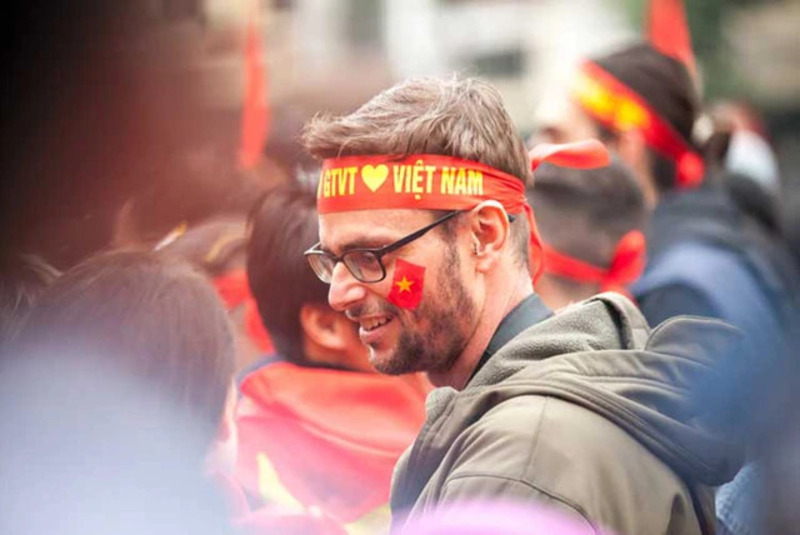
From affordability and cultural depth to human connection and daily rhythm, expat life in Vietnam offers what many didn’t realize they were missing: balance, belonging, and room to breathe. This article explores why so many foreigners choose not just to live in Vietnam—but to stay, grow, and build a life that truly feels their own.
Expats Fall in Love with Vietnam
What makes a place feel like home when it’s far from where you started? For long-term residents, the answer often hides in the everyday details. Living in Vietnam as an expat blends practical ease with emotional depth in a way few countries manage to achieve.
Vietnam doesn’t try to impress with perfection. Instead, it invites you into a lifestyle that feels human, flexible, and surprisingly grounding. Life here allows room for mistakes, slow mornings, and genuine connection.
Over time, that simplicity reshapes expectations—and turns uncertainty into comfort. For many expats, this is where living abroad stops feeling temporary and starts feeling sustainable.
Read more: Things Expats Slowly Learn to Love in VietnamA Lifestyle That Feels Lived-In, Not Rushed
One of the first things expats notice is the pace of daily life. While cities like Ho Chi Minh City and Hanoi are energetic, life here isn’t ruled by constant urgency. Meals are shared, mornings unfold slowly, and evenings often turn into conversations rather than schedules.
This is a core reason why expats love Vietnam. Life allows room to breathe. You can work with focus without burning out—and rest without guilt. For professionals and remote workers, this balance becomes a compelling reason to stay long-term.
Many expats describe the Vietnamese lifestyle as flexible rather than rigid. You adapt your routine around life—not the other way around.
Read more: Funny & Unexpected Moments When Living in HCMCCost of Living That Enables Freedom, Not Sacrifice
Affordability may draw people in—but it’s not just about spending less. The cost of living in Vietnam for expats creates a sense of freedom that feels increasingly rare elsewhere.
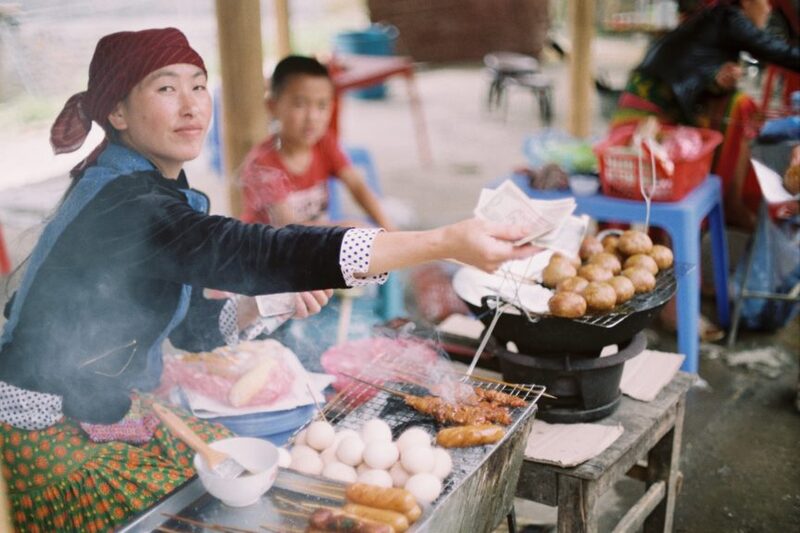
Instead of constant budgeting stress, many expats gain access to better housing in central neighborhoods, enjoy dining out without pressure, and still set aside time and money for travel or personal growth.
This financial breathing room reshapes daily life. Rather than optimizing every expense, expats can focus on experiences, relationships, and long-term plans. For many, this shift becomes a defining reason why they choose Vietnam to live—not temporarily, but for the long haul.
Read more: Long-Term Budgeting in Vietnam: Monthly Costs & Smart Saving TipsHuman Connection at the Center of Daily Life
Ask long-term residents what truly keeps them in Vietnam, and most won’t mention rent or weather. They’ll talk about people.
Vietnamese people and hospitality leave a lasting impression—not through grand gestures, but through everyday kindness. A remembered coffee order, help with directions, or a familiar smile slowly builds trust.
For many foreigners, the local lifestyle in Vietnam feels relational rather than transactional. Over time, these small interactions turn into meaningful connections. They ease cultural adaptation and help expats move from feeling like outsiders to feeling genuinely included. For those staying long-term, human connection becomes the quiet foundation of belonging.
Read more: Local Friendships That Changed Expats’ Lives in VietnamCulture That Invites Participation, Not Perfection
Vietnamese culture doesn’t demand mastery—it invites curiosity. Newcomers aren’t expected to understand everything immediately, and effort is often valued more than accuracy. This is what makes the Vietnamese culture for expats feel welcoming rather than intimidating.
Whether it’s learning a few Vietnamese phrases, joining a neighborhood celebration, or slowly picking up unspoken social cues, the process feels forgiving. Mistakes are met with patience, not judgment.
Over time, this cultural openness helps expats redefine comfort. Cultural adaptation in Vietnam becomes less about blending in perfectly and more about showing up consistently—one interaction at a time.
Read more: The Most Common Culture Shocks for New Expats in VietnamA Strong, Diverse Expat Community
Vietnam is home to one of Southeast Asia’s most diverse foreign populations. Entrepreneurs, teachers, families, creatives, and retirees often share the same neighborhoods, cafés, and co-working spaces. This diversity shapes a welcoming expat community in Vietnam built on shared experience.

From visa renewals and housing searches to cultural misunderstandings, common challenges quickly turn into points of connection. Many expats find that friendships here form faster—and feel deeper—than those back home.
For long-term living in Vietnam for expats, the community becomes essential. It transforms isolation into support and everyday challenges into a shared journey of belonging.
Read more: Building a Support System in Vietnam Through Expat CommunitiesDaily Life That Feels Meaningful
Every day life in Vietnam for foreigners often feels richer than expected. Simple rituals—street food breakfasts, evening walks, unplanned conversations—carry quiet meaning. Rather than constantly chasing milestones, many expats begin to value daily rhythm over distant goals.
This shift explains why expats choose Vietnam to live beyond the short term. Life here rewards presence. It encourages slowing down, noticing small moments, and appreciating what’s already there.
Over time, that awareness turns routine into fulfillment—and living abroad into a life that feels genuinely meaningful.
Read more: Everyday Joys of Living in VietnamGrowth Through Contrast and Challenge
Vietnam isn’t without its challenges. Bureaucracy, language barriers, and cultural differences can feel overwhelming—especially in the early months. Yet for many, these moments of friction become turning points. Living in Vietnam as an expat requires adaptability, patience, and humility.
Gradually, what once felt frustrating begins to build resilience. Expats often credit these experiences with personal growth they never planned for. This is why the reasons expats stay in Vietnam long-term go beyond comfort or convenience. Growth itself becomes part of the reward—and part of what keeps them here.
Read more: What Changes When Expats Work and Live in VietnamRedefining What “Home” Means
Perhaps the deepest reason expats fall in love with Vietnam is how it quietly reshapes their idea of home. Home becomes less about familiarity and more about alignment—with values, lifestyle, and the people around you.

For some, Vietnam creates space to slow down and redefine success. For others, it offers stability, simplicity, and a sense of grounding missing elsewhere. Either way, life in Vietnam for foreigners often feels authentic rather than performative.
Here, home isn’t something you inherit or arrive at. It’s something you build—intentionally, patiently, and in a way that finally feels like your own.
Read more: Finding “Home” Far Away: Real Stories from TenantsFrom Temporary Stay to Long-Term Belonging
Most expats arrive in Vietnam without a long-term plan. A short contract, a trial year, a “see how it goes” mindset. Yet months quietly stretch into years. Apartments become familiar. Neighborhoods gain meaning.
This gradual shift—from visitor to resident—is at the heart of expat life in Vietnam. It rarely comes from a single decision, but from small, grounding moments: knowing where to shop, who to call, where you belong on an ordinary day.
This is often when expats fall in love with Vietnam—not as a destination, but as the place where life feels genuinely lived.
Read more: How Expats Redefine “Belonging” While Living in VietnamWhy So Many Expats Choose to Stay
When affordability, culture, community, and emotional connection come together, the reason becomes clear. Why expats love Vietnam isn’t tied to one standout feature—it’s how everyday life fits together in a way that feels sustainable.
Vietnam offers a lifestyle that supports balance, a culture grounded in human connection, a cost of living that enables choice, and a community that welcomes newcomers into real belonging.
For many expats, this combination creates something increasingly rare: a place where professional ambition and personal well-being don’t compete, but quietly reinforce each other.
Final Thoughts: Falling in Love, One Day at a Time
Expats fall in love with Vietnam gradually—not through grand moments, but through everyday life that feels sustainable, human, and deeply lived. It happens in familiar routines, quiet connections, and a sense that life finally moves at the right pace.
Vietnam becomes a place where relationships grow naturally, and choices feel aligned rather than forced. Whether you’re building a career, raising a family, or redefining your path, the country offers space for your story to unfold.
At JHouse, we witness this transformation every day. Finding a home is only the beginning. What follows is something more lasting—a feeling of belonging. And that’s why, for so many expats, Vietnam isn’t just where they stay. It’s where they choose to build a life.
JHouse Content Team
The in-depth content development team on housing services for foreigners & Vietnamese in Vietnam. The content is simple, easy to understand, and logically arranged to bring readers useful topics and information from real experiences.

Raising a Family in Vietnam: Housing, Schools & Lifestyle
Family Life in Vietnam: Housing, Schools & Lifestyle for Expats
Raising a Family in Vietnam is no longer a fringe idea — it’s a conscious decision made by expat parents seeking stability, affordability, and a meaningful global upbringing for their children. Beyond low living costs, Vietnam offers something deeper: a family lifestyle that feels connected, balanced, and surprisingly sustainable.

But turning that possibility into long-term confidence takes more than enthusiasm. Housing choices shape daily routines. Schools influence not just education, but belonging. Lifestyle decisions determine whether Vietnam becomes a temporary chapter—or a place your family can truly call home.
This guide offers a big-picture roadmap for expat families living in Vietnam. Built on real-world experience, it connects the essential pieces—housing, schools, safety, healthcare, finances, culture, travel, and legal stability—so you can build a family life designed to last, not just adapt.
Raising a Family in Vietnam: What Matters Beyond the Basics
Raising a family abroad is never just about logistics—it’s about intention. For expat families in Vietnam, the real shift isn’t location, but mindset. You’re no longer asking, “Can we live here?” You’re asking, “How well can we live here—together, long term?”
Vietnam supports that shift in subtle but powerful ways. Neighborhoods feel social rather than isolated. Daily support systems are accessible. International education continues to expand, while weekend travel remains simple and affordable. Yet none of these elements work in isolation. Long-term success comes from understanding how they connect—and choosing with intention.
Families who thrive don’t chase perfection. They prioritize alignment: between housing and schooling, lifestyle pace and family values, short-term ease and long-term stability. That alignment is what transforms family life in Vietnam from something you manage… into something you genuinely build.
Choosing Family-Friendly Housing That Supports Daily Life
Where you live quietly defines how your family functions day to day. Housing for families in Vietnam ranges from secure condos and serviced apartments to spacious villas designed for long-term comfort—but the right choice is less about size, and more about fit.

Family-friendly neighborhoods prioritize safety, walkability, green spaces, and easy school access. In major cities, expat families gravitate toward areas that reduce commute stress, soften traffic exposure, and encourage community living rather than isolation.
Living in Vietnam with children means thinking beyond square meters. Traffic flow, school routes, noise levels, and neighborhood rhythm all shape family wellbeing. That’s why many long-term expats treat their first lease as a learning phase—exploring before committing.
A well-chosen home does more than house your family. It anchors routines, lowers daily stress, and creates the emotional foundation your family needs to truly settle.
Read more: Child-Friendly Apartments & Neighborhoods in HCMC
Education First: Finding the Right Schools for Expat Children
For expat families, choosing schools in Vietnam is often the most emotionally charged decision. Education isn’t just a service—it’s a long-term commitment to how your child grows, adapts, and thrives across cultures.
Vietnam’s international education landscape has matured rapidly. Families can now choose from well-established international curriculums, bilingual models, and alternative learning approaches—each supporting different learning styles, transitions, and future pathways.
The right fit depends on more than rankings. Are you building roots in Vietnam or planning another relocation? Do you prioritize academic outcomes, emotional development, global exposure, or a balance between them?
Families who settle most confidently align school philosophy with family values. When education supports both learning and belonging, children don’t just study in Vietnam—they grow with it.
Read more: Best International Schools In HCMC (By Age & Curriculum)
Lifestyle: Creating Balance for Parents and Children
One of Vietnam’s most underrated strengths is how naturally family life finds its balance. Daily routines feel outward-facing—children play freely with neighbors, meals stretch into conversations, and structure coexists with flexibility.
Beyond cafés and malls, family life in Vietnam extends into weekend beach trips, short nature escapes, and cultural festivals that fit school schedules. Children experience diversity not as a lesson, but as everyday life.

For parents, balance often comes through accessible support systems—domestic helpers and nannies who ease daily pressure, fresh markets that simplify meals, and communities that normalize shared parenting.
This rhythm lets families slow down without narrowing opportunity—creating space for both growth and connection.
Read more: Weekend Family Activities Around the City
Safety: Raising Children with Confidence
Safety is often a quiet, unspoken concern for expat families. Vietnam is generally considered safe, but long-term living calls for awareness—not constant worry.
For families, everyday safety is shaped less by crime statistics and more by traffic conditions, pedestrian access, and emergency readiness. Parents adapt by choosing walkable neighborhoods, setting clear boundaries for children, and learning local norms rather than pushing against them.
Over time, the community plays a growing role. In family-oriented areas, routines become visible—neighbors recognize each other, and informal watchfulness develops naturally.
In Vietnam, safety isn’t about avoiding risk altogether. It’s about gaining familiarity, building habits, and raising children with calm, informed confidence.
Read more: Safety Tips for Families Living in Vietnam – Complete Expat Guide
Healthcare for Children: Planning Beyond Emergencies
Child healthcare in Vietnam has advanced significantly, especially in major cities where private hospitals and international clinics provide reliable, English-speaking care for expat families.
The system works best when approached proactively. Establishing a trusted pediatrician, following vaccination schedules, planning dental care, and knowing where to go in emergencies should all be part of your long-term family setup—not last-minute responses.
International and regional health insurance adds flexibility, covering specialist care and travel when needed. When healthcare is planned early, parents gain more than medical access—they gain consistency, confidence, and the stability every family needs to settle in Vietnam.
Read more: Kids’ Healthcare: Hospitals & Pediatric Clinics for Expats in HCMC
Help at Home: Domestic Support That Changes Everything
For many expat families, domestic support in Vietnam quietly transforms daily life. Helpers and nannies reduce the invisible workload—freeing parents to focus on work, children, and genuine family time instead of constant coordination.

Success depends on clarity. Well-defined roles, routines, communication, and cultural understanding create trust over time. Consistency matters far more than speed.
This support isn’t about replacing parental involvement. It’s about building sustainable rhythms that prevent burnout and allow family life in Vietnam to feel balanced, supported, and realistically long-term.
Read more: Domestic Helpers and Nannies: What Expats Should Know
Culture & Identity: Raising Global, Grounded Kids
Raising bilingual or multicultural children in Vietnam offers a rare advantage—cultural fluency shaped through everyday life. Children learn flexibility, empathy, and confidence not from textbooks, but from navigating languages, traditions, and social norms naturally.
Balancing cultures doesn’t mean choosing between identities. It means creating space for children to feel rooted while staying open. Local friendships, international schools, festivals, and daily language exposure all contribute to this balance.
For many expat families, Vietnam becomes the place where children grow into global citizens—grounded emotionally, adaptable socially, and secure in who they are.
Read more: Balancing Two Cultures: Raising Multilingual Children in Vietnam
Family Budgeting: Sustainable, Not Restrictive
The cost of raising a family in Vietnam remains manageable, but long-term affordability depends on intention. Family budgeting works best when it reflects everyday realities—not short-term assumptions.
Housing, education, healthcare, childcare, and lifestyle spending all deserve a clear plan. Families who budget proactively don’t feel constrained—they feel in control.
Smart budgeting isn’t about spending less. It’s about directing resources toward what truly supports your family’s stability, growth, and long-term life in Vietnam.
Read more: Family Budgeting in Vietnam: Smart Saving for Expats
Traveling with Kids: A Country Designed for Exploration
Traveling with kids in Vietnam is unexpectedly simple. Short travel distances, varied landscapes, and family-oriented hospitality allow trips to fit naturally into school schedules and family routines.
From beach towns and heritage cities to highlands and national parks, travel becomes an extension of education rather than a break from it. Children learn geography, culture, and adaptability through shared experiences.
For expat families, these journeys build connection—turning weekends and holidays into meaningful moments that often shape a child’s strongest memories of growing up in Vietnam.
Read more: Traveling with Kids in Vietnam: What Expat Families Should Expect
Legal Stability: Visas That Support Family Life
Legal status is often invisible—until it disrupts daily life. For expat families in Vietnam, family visas, dependent permits, and temporary residence cards influence everything from school enrollment to healthcare access and long-term planning.
Preparing legal documentation early reduces uncertainty as your family grows and circumstances evolve. Visas should support stability, not create friction.
When legal foundations are secure, families feel freer to settle in emotionally. Legal stability doesn’t just allow residence—it supports continuity, confidence, and a true sense of home in Vietnam.
Read more: Family Visa & Residence Card Tips for Long-Term Stay in Vietnam
Final Thoughts: Turning Family Life into Belonging
Raising a Family in Vietnam isn’t about recreating life elsewhere—it’s about shaping a life that truly fits your family. When housing, schools, lifestyle, healthcare, and legal stability align, everyday pressures ease. Children grow more adaptable. Parents feel supported. And over time, life stops feeling temporary.
At JHouse, we know that finding the right home is only the first step. Housing is the foundation—but long-term family life is the goal. We work with expat families who are ready to build not just a place to live, but a place to belong.
Vietnam doesn’t simply host families. It gives them space to grow, connect, and create a future that feels genuinely their own.
JHouse Content Team
The in-depth content development team on housing services for foreigners & Vietnamese in Vietnam. The content is simple, easy to understand, and logically arranged to bring readers useful topics and information from real experiences.