











Burnout Recovery: How to Rebuild Sustainable Energy
Burnout doesn’t always arrive dramatically. More often, it creeps in quietly — through constant fatigue, low motivation, and the frustrating feeling of being tired no matter how much you rest. For many expats and professionals in fast-paced cities like Ho Chi Minh City, burnout becomes part of daily life: something you learn to function through, rather than question.

But burnout isn’t just about working too much. It’s what happens when your energy has been depleted for too long — without real recovery.
This is why stepping away or getting more sleep often isn’t enough.
This guide isn’t about doing more or fixing your schedule. It’s about understanding how burnout affects your energy — and how to rebuild it in a way that actually lasts.
Burnout Recovery Starts with Understanding What You’ve Lost
Burnout is often mistaken for stress taken too far. But in reality, it’s something deeper — a state of chronic fatigue and emotional exhaustion, where your physical, mental, and emotional energy no longer function the way they should.
It often shows up in subtle ways: you feel tired even after a full night’s sleep, struggle to focus on simple tasks, and lose motivation for things you once enjoyed. Over time, mental fatigue and brain fog become your new normal.
That’s why many people find themselves searching, “Why am I always tired even after rest?” — without realizing they’re already experiencing burnout.
And this is where most recovery attempts fail. When burnout is treated like temporary stress, the solution becomes temporary too — a few days off, a short trip, or simply pushing through. But burnout doesn’t resolve with time alone.
It requires a deeper shift: from managing time to restoring energy.
Why Rest Alone Isn’t Enough for Burnout Recovery
One of the most frustrating parts of burnout is this: you rest, but you don’t feel better.
You sleep more, scroll more, take breaks — yet the fatigue stays. That’s because not all rest leads to recovery. In fact, some habits quietly prolong burnout: endless scrolling that overstimulates your mind, irregular sleep that disrupts recovery, or staying in the same environment that drains your energy.

Over time, this creates a cycle of constant energy drain, where your body never fully resets. True burnout recovery requires something deeper — what’s often overlooked as deep rest.
It’s not just about stopping work, but allowing your system to slow down: reducing noise and stimulation, giving your mind space, and stepping out of the pressure loop. Without this, fatigue doesn’t fade — it becomes your baseline.
From Managing Time to Managing Energy
Most professionals are taught to manage time. But burnout reveals a different reality: your real limit isn’t time — it’s energy.
You can move through a full schedule and still feel fine, or handle very little and feel completely drained. The difference isn’t what you do, but how your energy is used — and whether it’s being restored.
This is where energy management becomes essential. Instead of optimizing your calendar, start paying attention to your natural rhythm: when your focus peaks, what creates mental overload, and which environments support or quietly drain you.
In cities like Ho Chi Minh City, even small factors — long commutes, constant noise, limited personal space — can accumulate into daily fatigue.
Burnout recovery begins when you stop asking, “How can I do more?” and start asking, “What actually restores me?”
Rebuilding Energy After Burnout: What Actually Works
If you’re wondering how to rebuild energy after burnout, the answer isn’t a single fix — it’s a system.
Sustainable recovery doesn’t come from intensity or quick wins. It comes from small, intentional shifts that restore your energy consistently over time.
1. Start With Your Sleep And Daily Rhythm
Your body relies on stability more than duration. Irregular sleep patterns disrupt recovery, no matter how long you stay in bed. What matters is consistency — going to sleep and waking up at similar times, reducing stimulation before bedtime, and allowing your evenings to slow down. When your rhythm stabilizes, your energy begins to follow.
2. Address The Invisible Drains
Not all exhaustion comes from work. More often, it’s the accumulation of small, constant stressors — notifications, background noise, or the lack of separation between work and rest. These don’t feel overwhelming in isolation, but together they create continuous stress accumulation. Reducing them doesn’t require drastic change, just awareness and small adjustments that give your mind space to reset.

3. Build A Sustainable Energy Routine
Instead of relying on motivation, focus on patterns you can repeat. Gentle movement, short mental breaks, and intentional pauses throughout the day help regulate your energy without forcing it. The goal isn’t productivity — it’s stability. A daily rhythm that feels manageable will always outperform one that relies on bursts of effort.
4. Rethink What Rest Really Means
Rest isn’t just stepping away from work — it’s stepping out of stimulation. True recovery happens when your system has a chance to slow down, whether that’s through quiet environments, low-demand activities, or simply giving yourself permission to disconnect without filling every gap.
5. Look At Your Environment
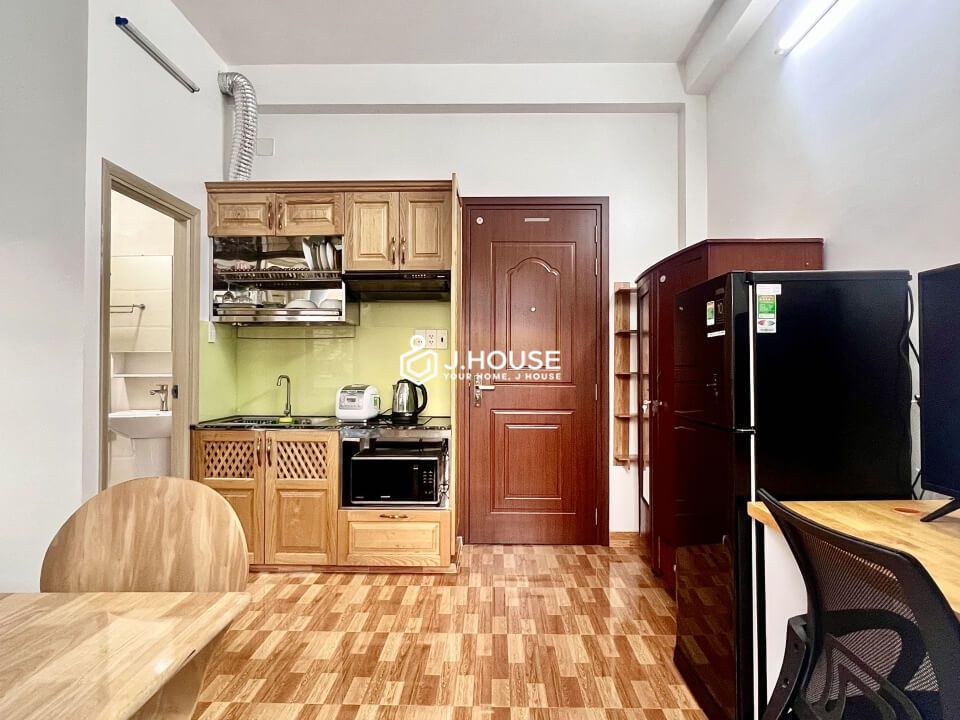
Your lifestyle plays a quiet but powerful role in recovery. Where you live, how you commute, and how your space is structured all shape your energy levels. For expats especially, a living environment that reduces daily friction — from noise to travel time — can make recovery feel more natural, not forced.
At JHouse, we’ve seen how the right space doesn’t just support comfort — it supports clarity, stability, and a more sustainable way of living.
Burnout Prevention: Don’t Wait Until You’re Exhausted
Recovery matters — but prevention is what makes it last.
As your energy begins to return, the real shift is learning how to protect it. This starts with noticing early burnout symptoms, setting realistic expectations for your workload, and staying consistent with the routines that support your energy.
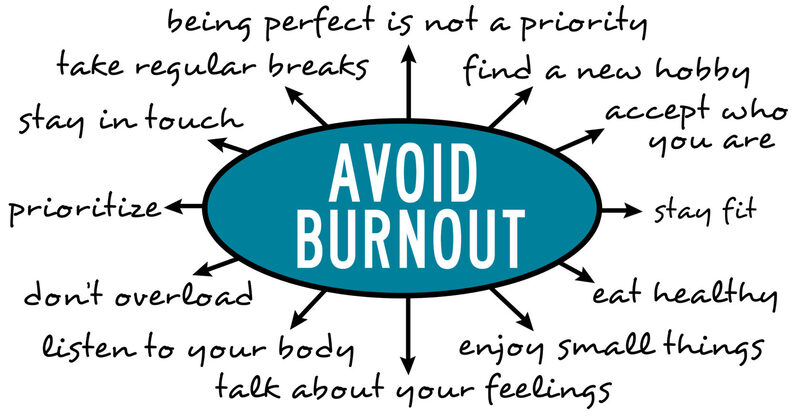
Burnout prevention isn’t about avoiding effort. It’s about avoiding continuous depletion without recovery.
And this is where many professionals struggle — especially in new environments, where unclear expectations make it easy to overextend before you even realize it.
A Different Way to Think About Productivity
Burnout often comes from a quiet misunderstanding of productivity.
We tend to equate productivity with doing more, staying busy, and pushing through fatigue. But in reality, productivity is shaped by how well your energy supports what you do.
When your energy is low, even simple tasks feel heavy — focus slips, decisions take longer, and progress slows. When your energy is stable, work flows more naturally, and clarity returns.
This is why burnout recovery isn’t separate from performance — it’s what makes sustainable performance possible.
For Expats: Why Burnout Feels Different Abroad
If you’re living abroad, burnout often feels heavier — and harder to recover from.
You’re not just managing work, but constantly adapting to a new culture, unfamiliar systems, and routines that no longer come naturally. This ongoing adjustment creates a layer of mental fatigue that’s easy to overlook, yet difficult to escape.
It’s why many expats search for answers that never quite fit.
What helps instead is recognizing this hidden load — and allowing yourself the space to adapt, not just keep up.

Final Thoughts: From Burnout to Sustainable Energy
Burnout isn’t a failure — it’s a signal that the way you’ve been living is no longer sustainable.
Recovery isn’t about stepping away from responsibility. It’s about rebuilding your energy so you can return to it with clarity, not exhaustion.
When you stop pushing through fatigue and start understanding how your energy works, the shift is subtle but powerful. Your days feel less heavy, your focus becomes steadier, and life starts to feel manageable again — not something you’re constantly trying to keep up with.
At JHouse, we’ve seen how the right environment and daily rhythm can quietly support that shift. Because in the end, burnout recovery isn’t about doing less or more — it’s about living in a way that gives your energy back to you, every day.
JHouse Content Team
The in-depth content development team on housing services for foreigners & Vietnamese in Vietnam. The content is simple, easy to understand, and logically arranged to bring readers useful topics and information from real experiences.