










Culture Shock in Vietnam: What New Expats Should Expect
Moving abroad is exciting—but culture shocks rarely arrive all at once. Instead, they surface quietly in everyday moments: a conversation that feels indirect, a routine that suddenly shifts, or a simple task that takes more effort than expected. For many newcomers, culture shocks in Vietnam aren’t about dramatic differences—they’re about the accumulation of small surprises that make “normal” feel unfamiliar.

Vietnam welcomes new expats with warmth, energy, and opportunity. Yet adjusting to life here requires more than handling visas or finding housing. It calls for awareness, patience, and a willingness to see daily life through a new lens. This guide explores the most common culture shocks new expats face in Vietnam—not to overwhelm you, but to help you recognize them early, adapt with confidence, and move from confusion toward genuine belonging.
A Shift That Every New Expat Faces
Culture shock isn’t a failure to adapt—it’s evidence that adaptation is already happening. When you move to Vietnam, everyday routines reset almost overnight. Familiar social cues fade, unspoken rules shift, and systems operate on different logic. Tasks that once felt automatic now demand attention, patience, and constant adjustment.
For new expats in Vietnam, culture shock rarely arrives as a single moment. It unfolds in stages—initial excitement, subtle frustration, and eventually, growing clarity. The discomfort in between is not a warning sign; it’s part of the integration process itself.
Living in Vietnam as an expat means learning how daily life works beneath the surface. And that learning begins by recognizing the most common culture shocks—not as obstacles to avoid, but as signals that you’re moving closer to understanding, and ultimately, belonging.
Read more: Expat Life in Vietnam: Real Stories and Insights
Culture Shocks New Expats Commonly Experience in Vietnam
1. Communication Is Indirect—and Context Matters
One of the earliest culture shocks new expats experience in Vietnam is the communication style. In many Western cultures, directness signals honesty and efficiency. In Vietnam, however, harmony and mutual respect often matter more than blunt clarity.
You may hear “yes” even when an answer is uncertain, or receive responses that feel vague rather than definitive. This isn’t avoidance or inconsistency—it’s a form of cultural courtesy designed to preserve relationships and avoid discomfort. For expats new to Vietnam, learning to read tone, timing, and non-verbal cues quickly becomes part of daily life.

How to adapt:
Ask open-ended questions, listen between the lines, and observe patterns over time. In Vietnam, understanding rarely comes from confrontation—it grows through familiarity, trust, and ongoing relationships.
2. Time Feels Flexible
Vietnam moves to a different rhythm. Meetings may start later than planned. Deadlines shift. Arrangements change with little notice. For many new expats, this fluid sense of time quickly becomes a daily culture shock.
Rather than strict schedules, Vietnamese daily life prioritizes responsiveness and human presence. What matters most is not punctuality, but being available when it counts.
How to adapt:
Build buffer time into your plans and follow up with patience rather than pressure. As you stop measuring time too rigidly, daily life in Vietnam begins to feel less frustrating—and far more manageable.
3. Personal Space Works Differently
Crowded sidewalks, close conversations, and constant movement are part of everyday life in Vietnam. For many newcomers, the reduced sense of physical space can feel overwhelming or mentally draining at first.
This culture shock isn’t about intrusion—it reflects a communal culture where shared space is normal and expected. In busy cafés, markets, and neighborhoods, proximity signals coexistence rather than disrespect.
How to adapt:
Balance stimulation by choosing environments that match your comfort level. Quieter cafés, calmer districts, and regular time in green spaces help you recharge while adjusting gradually to the rhythm of daily life.
4. Noise Is Part of the Landscape
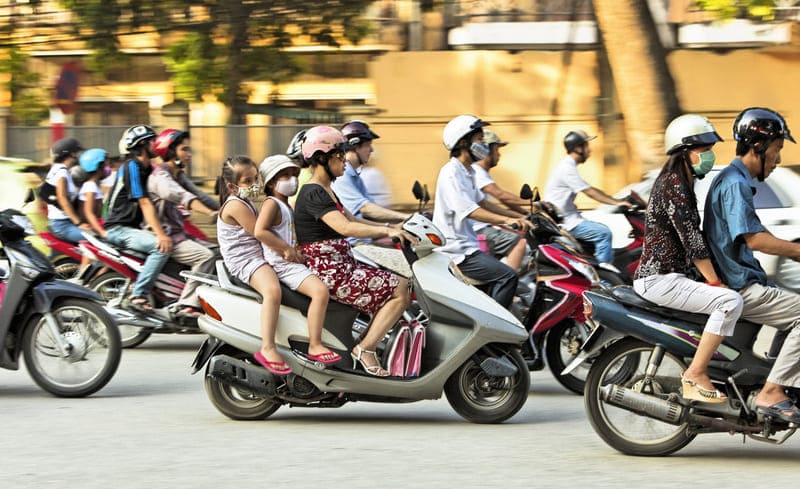
Motorbikes, street vendors, construction, karaoke—sound is woven into daily life in Vietnam. For many expats, constant noise becomes one of the most persistent culture shocks when living here. Silence is rare, especially in large cities. Yet noise in Vietnam often signals activity, livelihood, and connection rather than disorder.
How to adapt:
Thoughtful housing choices, basic soundproofing, and noise-canceling tools can dramatically improve comfort. With time, what once felt overwhelming often blends into the background—and becomes part of the city’s living rhythm.
5. Hierarchy Shapes Social Interaction
Respect for age, status, and authority runs deeply through Vietnamese culture. New expats are often surprised by formal speech patterns, indirect decision-making, and visible deference to seniority—especially in workplaces, housing discussions, and family settings.
How to adapt:
Observe before asserting. Address people with respect and patience. Understanding hierarchy doesn’t limit communication—it often opens doors, smooths relationships, and helps you avoid misunderstandings before they happen.
6. Bureaucracy Requires Patience
From visas to banking, bureaucracy in Vietnam can feel unpredictable at first. Requirements may shift, procedures vary by location, and timelines often stretch longer than expected. For new expats, this becomes a major adjustment challenge—not because systems don’t work, but because they operate on different logic.
How to adapt:
Seek local guidance, double-check information, and allow extra time for every process. Flexibility and patience aren’t optional here—they’re part of the system. Seasoned expats learn that persistence, not pressure, is what ultimately gets things done.
7. Service Culture Is Relationship-Based
Customer service in Vietnam often prioritizes relationships over standardized systems. New expats may feel confused when service feels exceptional one day and distant the next—especially if they’re used to predictable processes. This inconsistency is a common culture shock, not a lack of professionalism.
How to adapt:
Build rapport and return to the same places regularly. Polite familiarity, patience, and trust often lead to smoother interactions than formal complaints or rigid expectations ever could.
8. Community Comes Before Individual Convenience
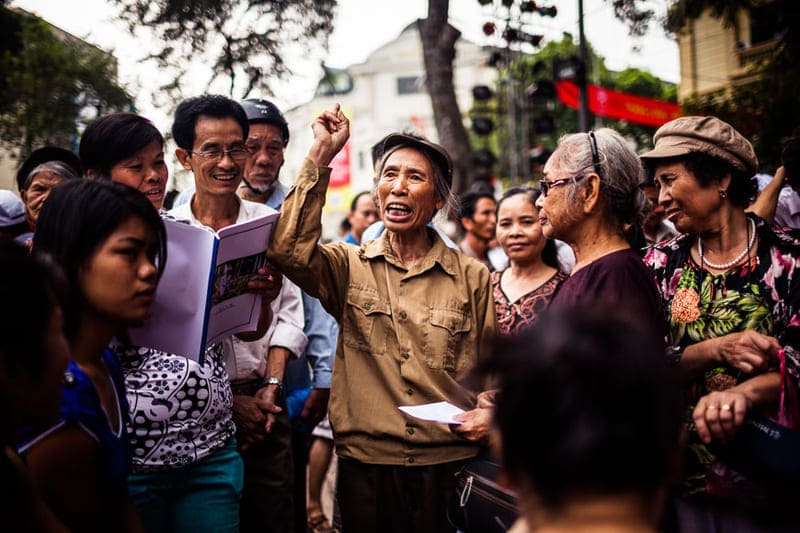
Vietnamese culture places strong emphasis on collective well-being. Family, neighbors, and social circles often influence decisions—from housing to career choices. For new expats, this can feel restrictive at first, especially if independence is a core value.
How to adapt:
Reframe community as support rather than limitation. Over time, strong social networks make daily life easier, safer, and far more meaningful than navigating everything alone.
Read more: Building a Support System in Vietnam Through Expat Communities
Turning Culture Shock into Cultural Understanding
The most common culture shocks for new expats in Vietnam aren’t obstacles—they’re entry points into deeper understanding. Each moment of confusion invites learning, and each misunderstanding gradually builds cultural fluency. These experiences shape how expats learn to navigate daily life beyond surface-level differences.
Adapting to life in Vietnam doesn’t require abandoning your identity—it asks you to expand it. With time, what once felt foreign becomes familiar. What felt frustrating turns functional. And what seemed temporary begins to feel grounded and real.
At JHouse, we witness this transformation every day. Expats arrive uncertain, work through culture shocks, and gradually find rhythm, connection, and confidence in Vietnam—turning adjustment into genuine belonging.
Read more: Why Expats Fall in Love with Vietnam
Practical Tips for Adapting Faster
Adapting to a new culture doesn’t happen overnight. But small, intentional choices in daily life can make culture shocks in Vietnam feel more manageable—and far less overwhelming over time. These practical habits help new expats move through uncertainty with greater ease and confidence:
- Observe first, before reacting to unfamiliar situations
- Ask locals and experienced expats for context, not just answers
- Choose housing that supports your lifestyle and energy level
- Learn a few basic Vietnamese phrases to ease daily interactions
- Accept discomfort as a natural part of personal growth
Understanding culture shocks in Vietnam helps you move beyond survival mode. With the right mindset and support, adaptation becomes clarity—and daily life begins to feel less like adjustment, and more like belonging.
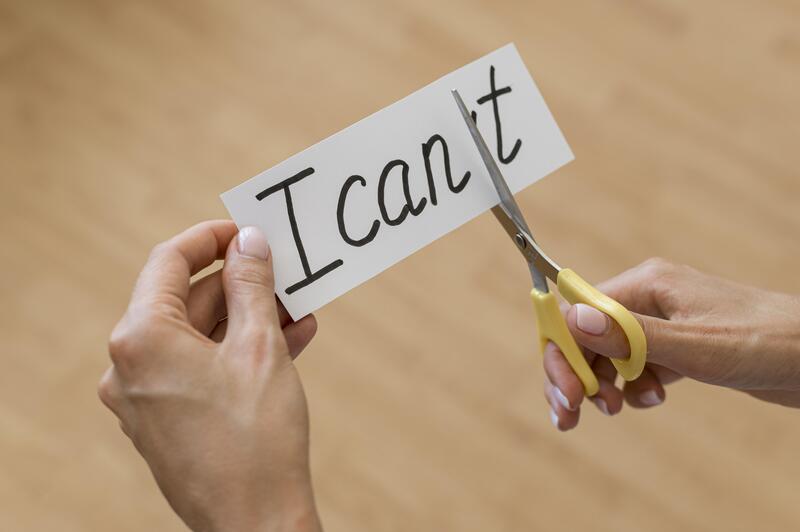
Read more: Things Expats Slowly Learn to Love in Vietnam
Final Thoughts: From Culture Shock to Cultural Confidence
Culture shocks are not signs that Vietnam isn’t right for you. There are signs that you’re stepping outside familiarity and into growth. For new expats, the journey through culture shock is often the gateway to deeper connection, resilience, and understanding.
Living in Vietnam as an expat becomes easier when you stop resisting difference—and start learning from it. With the right mindset, local insight, and support system, confusion transforms into clarity.
At JHouse, we help expats find housing that supports a smoother transition into life in Vietnam. Because the right home makes daily adjustments easier—and feeling at home begins with the space you live in.
JHouse Content Team
The in-depth content development team on housing services for foreigners & Vietnamese in Vietnam. The content is simple, easy to understand, and logically arranged to bring readers useful topics and information from real experiences.