










Expat Life in Vietnam: What We’d Do Differently If Starting Over
Do Vietnam Differently — it’s a quiet thought many long-term expats return to once the excitement of arrival fades. Living in Vietnam as an expat often starts with freedom and spontaneity, but over time, routines replace novelty. Short-term choices become long-term consequences. And what once felt flexible begins to feel foundational.

This article isn’t about regret. It’s about clarity earned through experience. Drawing from years of expat life in Vietnam, shared reflections, and real-life adjustments, we explore how expats would do Vietnam differently if given the chance to start over.
From mindset shifts to everyday decisions, these insights reveal what truly sustains long-term living in Vietnam — and the lessons many wish they had understood before calling it home.
A Mindset Reset: From Short-Term Thrill to Long-Term Intention
Most expats’ lives in Vietnam begin with flexibility — short leases, temporary work, open-ended plans. At first, that freedom feels liberating. But over time, it can quietly delay commitment. Decisions are postponed. Priorities remain undefined. And without noticing, months turn into years of drifting rather than building.
Long-term expats often say the most important change they’d make isn’t logistical — it’s internal. Doing Vietnam differently starts with redefining intention. Instead of asking, How affordable or exciting can this be? The question becomes, What kind of life am I shaping here?
That shift reframes everything: where you live, who you invest in, how you work, and how deeply you integrate. Long-term living in Vietnam isn’t sustained by spontaneity. It’s sustained by clarity — and the courage to choose it early.
Read more: The Turning Point: Why Expats Stay Long-Term in Vietnam
Do Vietnam Differently: Lessons from Long-Term Expat Life
Ask long-term expats what they’d change if starting over, and a common theme emerges: they would prioritize stability much earlier. Not as a form of settling — but as a way of protecting long-term wellbeing. Stability, in this sense, is what allows life in Vietnam to feel grounded rather than temporary.
Doing Vietnam differently often shows up in small but decisive shifts. Choosing neighborhoods that support daily rhythm, not just lower rent. Investing in relationships that endure, not just social convenience. Planning for legal and financial continuity before problems arise.

These lessons rarely appear in relocation checklists. They’re learned slowly — through trial, cultural adaptation, and reflection. And by the time they surface, they often mark the turning point between merely staying in Vietnam and truly building a life there.
Read more: What Changes When Expats Work and Live in Vietnam
Housing Choices That Shape Daily Life
One of the most underestimated expat mistakes in Vietnam is overlooking how deeply housing affects emotional well-being. Early on, many newcomers prioritize price or nightlife access. But over time, constant noise, unclear management, and unstable contracts quietly drain energy and patience.
Looking back, long-term expats often say they would approach housing with more intention. They’d spend time understanding neighborhoods before committing, work with trusted agents to avoid hidden issues, and choose homes that support rest, routine, and family life — not just convenience.
Building a life in Vietnam requires more than a place to sleep. A well-chosen home reduces friction, anchors daily rhythms, and creates a sense of continuity. Housing isn’t just a logistical choice. It’s the foundation on which belonging in Vietnam is built.
Read more: Lessons Learned from First-Time Renters in Vietnam
Community Isn’t Optional — It’s Essential
At the beginning of expat life, connection feels easy. Social circles form quickly, events are frequent, and friendships feel effortless. But as time passes, people leave, priorities shift, and many expats are left rebuilding from scratch. Looking back, long-term expats often say they wish they had invested earlier in relationships built to last.
Local integration in Vietnam doesn’t depend on perfect language skills. It grows through repetition — greeting familiar faces, returning to the same café, joining small interest groups, and showing up consistently. Over time, these quiet rituals create trust.
Those who stay long-term often agree on one thing: community is what transforms life from temporary to rooted. Doing Vietnam differently means treating connection as essential — not optional.
Read more: Building a Support System in Vietnam Through Expat Communities
Cultural Adaptation Beyond Survival Mode
Vietnam’s cultural differences aren’t obstacles to overcome — they’re systems to understand. Traffic patterns, bureaucracy, communication styles, and social norms follow an internal logic that often feels chaotic at first. Many expats initially navigate daily life in survival mode, constantly comparing everything to how things “should” work back home.
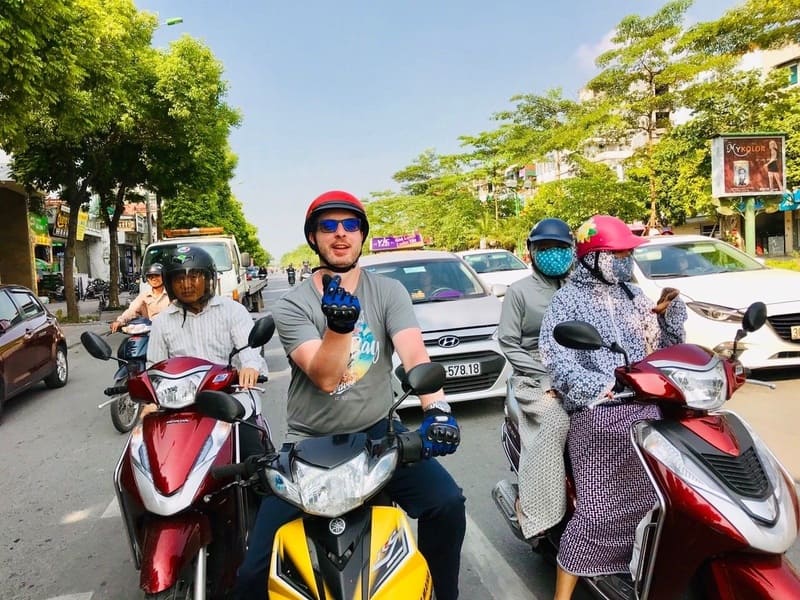
With time, perspective begins to shift. Cultural adaptation in Vietnam becomes less about coping and more about learning the rhythm beneath the surface. Long-term expats often say they wish they had approached these differences with curiosity sooner — and frustration less often.
Mistakes are inevitable. But expat mistakes in Vietnam frequently become turning points when met with humility. Each misunderstanding becomes an invitation to adapt, deepen understanding, and move closer to genuine belonging.
Read more: The Most Common Culture Shocks for New Expats in Vietnam
Rethinking Work and Career Growth
Vietnam draws in professionals, entrepreneurs, and remote workers with opportunity and flexibility. Early career choices are often shaped by convenience — attractive offers, fast growth, or short-term gains. But over time, many expats begin to reassess.
Those who reflect on starting over often say they would align work more closely with long-term residency goals, invest earlier in local professional networks, and place greater value on balance over constant expansion. Living in Vietnam as an expat offers diverse career paths, but not all of them are sustainable.
When work decisions ignore lifestyle realities, burnout follows quickly. Long-term success isn’t defined by momentum alone — it’s shaped by choices that support both professional growth and a livable, grounded life.
Read more: Expat Couples in Vietnam: Love, Work & Life Together
Financial Planning for Real Life
Vietnam may be affordable, but affordability without structure often leads to instability. Many expats admit they delayed setting up proper banking, insurance, and savings systems — assuming they could handle it later. Over time, that delay creates unnecessary stress.
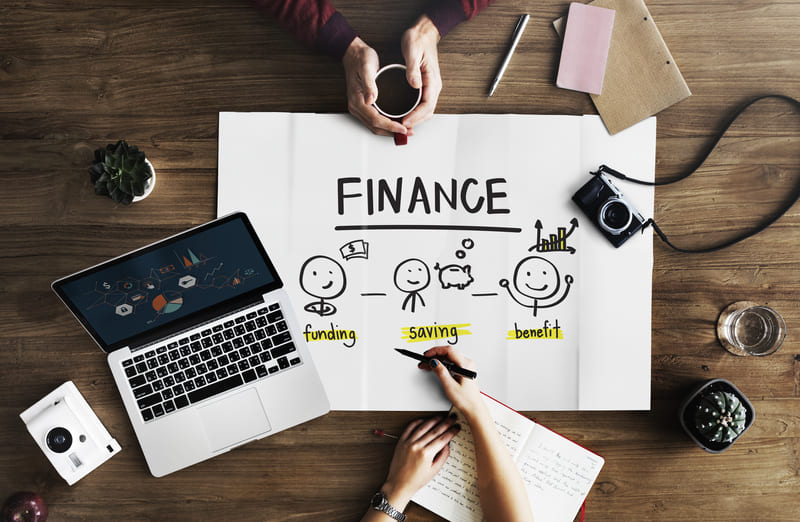
Doing Vietnam differently often means putting financial foundations in place early: opening a local bank account, choosing health insurance designed for long-term living, budgeting for visa changes or unexpected expenses.
These steps rarely feel urgent at first. Yet they quietly determine peace of mind. Long-term living in Vietnam isn’t sustained by low costs alone — it’s sustained by financial clarity and preparedness.
Read more: Long-Term Budgeting in Vietnam: Monthly Costs & Smart Saving Tips
Family, Children, and Long-Term Vision
For expat families, reflection often brings clarity. Many parents say they would have planned schooling, healthcare, and housing earlier — instead of making decisions reactively. Vietnam offers meaningful opportunities for children to grow as third-culture kids, but that experience depends on stability.
Families looking back often realize that intentional planning was the turning point. When daily life feels secure, children settle faster, parents worry less, and Vietnam shifts from a temporary chapter to a place where a family can genuinely put down roots.
Read more: Raising Kids as an Expat: Stories Beyond Schools and Housing
Belonging in Vietnam Is Built, Not Found
One of the deepest realizations long-term expats share is that belonging in Vietnam doesn’t arrive all at once. It forms gradually — through daily routines, familiar faces, and shared moments that quietly accumulate over time. What once felt foreign becomes assumed. What once required effort becomes natural.
Starting over wouldn’t mean avoiding challenges. It would mean understanding their value sooner. Living differently in Vietnam isn’t about doing everything right. It’s about showing up consistently, staying present through discomfort, and allowing connection to grow. Belonging, in the end, is less a destination — and more a practice shaped by time.

Read more: How Expats Redefine “Belonging” While Living in Vietnam
Conclusion
Do Vietnam Differently isn’t a call to rewrite the past. It’s an invitation to live more intentionally in the present. Long-term expats rarely wish they had chosen another country — they wish they had trusted the process sooner.
Building a life in Vietnam becomes lighter when decisions are grounded in clarity: stability creates freedom, community creates belonging, and reflection turns experience into wisdom. Whether you’re newly arrived or years into your expat journey, it’s never too late to pause, recalibrate, and choose differently.
At JHouse, we work with expats who are building lives — not just finding apartments. By simplifying housing decisions and sharing local understanding, we help create the stability that allows long-term living in Vietnam to feel grounded, confident, and genuinely sustainable.
JHouse Content Team
The in-depth content development team on housing services for foreigners & Vietnamese in Vietnam. The content is simple, easy to understand, and logically arranged to bring readers useful topics and information from real experiences.