









Expat Life in Vietnam: Finding a True Sense of Belonging
Belonging while living in Vietnam rarely arrives with a visa stamp or a signed lease. For many expats, the hardest part isn’t adjusting to a new country—it’s living in the in-between, where daily life works, but still feels temporary.
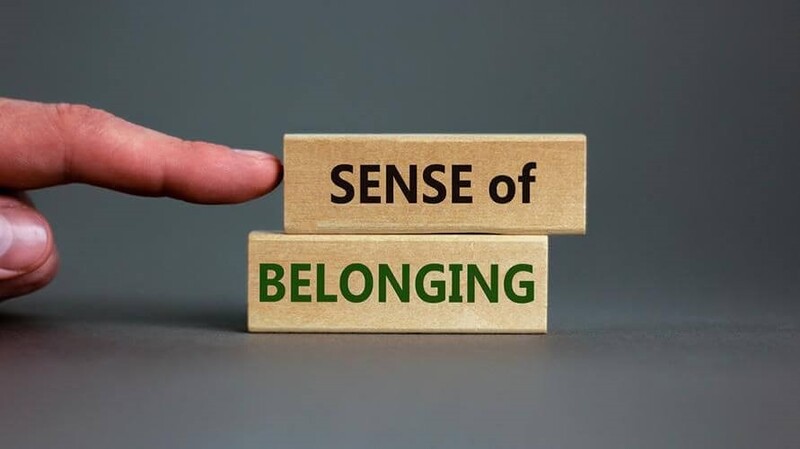
Vietnam draws people in with opportunity, affordability, and cultural depth. Yet what ultimately determines whether expats stay long-term isn’t convenience or comfort. It’s whether life begins to feel anchored.
This article explores how expats redefine belonging while living in Vietnam—how the shift from “being based here” to “being part of here” quietly unfolds. Through mindset changes, local connections, everyday routines, and long-term choices, belonging emerges not as a destination but as a form of participation. Less about where you live—and more about how you show up.
From Arrival to Awareness: When “Living Abroad” Stops Feeling Temporary
Most expats arrive in Vietnam with an unspoken timeline. Six months. One year. Maybe two. There’s often a quiet belief that real life will resume somewhere else. Early choices reflect that assumption—short-term housing, flexible commitments, friendships kept intentionally light.
Then, almost without noticing, awareness replaces arrival.
Daily life stops feeling provisional. Familiar streets no longer need translating. A café remembers your order. Routines form without constant comparison to “home.” This is often the first signal that expat life in Vietnam is shifting—from exploration to establishment.
Belonging doesn’t begin with permanence; it begins with presence. When expats stop measuring their lives against another country and start engaging with Vietnam on its own terms, the experience feels less fragmented. The question quietly changes—from How long will I stay? to How do I want to live while I’m here?
That shift is where emotional grounding begins.
Read more: The Turning Point: Why Expats Stay Long-Term in Vietnam
Belonging while living in Vietnam: A Shift in Mindset
Belonging while living in Vietnam isn’t about replacing one identity with another—it’s about allowing your sense of self to expand. For many expats, the real turning point comes when they stop trying to recreate their former lifestyle abroad. Imported routines, rigid expectations, and constant nostalgia often keep life feeling temporary.
Belonging grows when expats begin adapting their rhythms instead. This means accepting that comfort looks different overseas, letting go of efficiency as the sole measure of what’s “working,” and recognizing that integration is relational rather than transactional. Trust, in Vietnam, is built through consistency more than speed.

As this mindset shifts, so does the experience of daily life. Instead of asking how Vietnam can fit into their existing framework, expats begin adjusting themselves to Vietnam’s flow. That’s when life stops feeling like an extended stay—and starts feeling genuinely lived.
Read more: Expat Life in Vietnam: Real Stories and Insights
Everyday Life as the Foundation of Belonging
Belonging is rarely created through grand moments. More often, it forms quietly through ordinary ones. Shopping at the same market each week. Exchanging greetings with neighbors in the elevator. Running daily errands without hesitation. These small repetitions are what transform an unfamiliar place into something dependable.
Everyday life in Vietnam naturally supports this shift. Dense neighborhoods, visible street life, and a culture of informal interaction make complete isolation difficult. Even brief exchanges—shared meals, casual conversations, familiar faces—create a sense of continuity over time.
For expats in Vietnam, these patterns gradually reduce emotional friction. Life feels less performative and more participatory. The city stops acting as a temporary backdrop and begins functioning as a shared environment. This is often when expats realize that belonging doesn’t require full cultural fluency—only consistent presence.
Read more: Everyday Joys of Living in Vietnam
The Role of Community Connections and Local Friendships
No expat builds a sense of belonging alone.
Community connections—both expat and local—shape whether life abroad feels supported or isolating. In the early stages, most expats lean on familiar networks: colleagues, international communities, and online groups. These spaces offer reassurance and shared reference points during adjustment.
But deeper belonging often begins when local friendships enter daily life.
In Vietnam, these relationships rarely start with emotional openness. They grow through reliability—showing up consistently, respecting boundaries, and engaging without urgency. Trust is built through presence more than explanation.
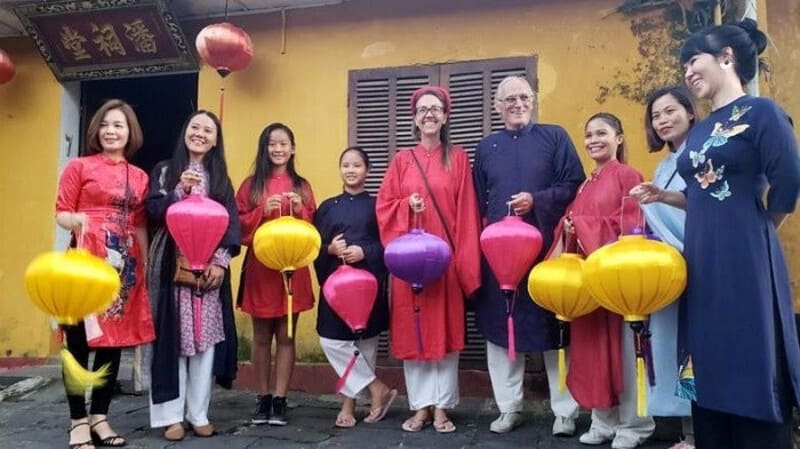
Over time, local connections quietly change how expats experience the country. Language gaps feel less intimidating. Cultural differences become navigable rather than exhausting. Vietnam shifts from something to be decoded into a community to participate in. For many long-term residents, local friendships mark the moment Vietnam truly feels like home.
Read more: Local Friendships That Changed Expats’ Lives in Vietnam
Redefining “Home Away from Home”
For expats, the idea of home away from home doesn’t stay fixed.
In the beginning, home is built from familiarity—imported routines, familiar food, a language that requires no effort. But as belonging while living in Vietnam deepens, home becomes less about resemblance and more about resonance. It’s defined by how daily life feels, not how closely it mirrors the past.
This shift often appears in housing choices. Temporary rentals give way to intentional homes. Neighborhoods are selected for livability rather than convenience alone—access to markets, green spaces, schools, and social rhythms begins to matter.
Expat life in Vietnam moves from optimization to alignment. Housing supports lifestyle. Lifestyle supports relationships. And over time, those relationships redefine what home truly means.
Read more: Finding “Home” Far Away: Real Stories from Tenants
Living Long-Term in Vietnam: When Belonging Shapes Decisions
Belonging reshapes how expats make long-term choices.
As life in Vietnam stabilizes, decisions begin to extend forward. Career plans feel less provisional. Housing becomes permanent. Families settle. Conversations shift quietly—from if I stay to now that I’m here. Belonging turns time from something counted into something assumed.
Challenges don’t disappear. Bureaucracy, cultural friction, and distance from family remain part of daily life. But they no longer feel disqualifying. They become manageable trade-offs within a life that otherwise works.
Many long-term expats describe this phase as grounded. Life feels less experimental and more intentional. Vietnam may not be perfect, but it feels livable—emotionally, practically, and sustainably. At this point, belonging stops being a feeling and becomes a direction.
Belonging Beyond Nationality and Language
For many expats, one of the deepest realizations is that belonging isn’t anchored to nationality or perfect language skills.

While fluency helps, it isn’t a prerequisite for connection. Belonging often grows through shared participation—sports groups, volunteering, creative projects, parenting circles, or everyday neighborhood life. In these spaces, presence matters more than performance.
Vietnam’s relationship-centered social culture makes this possible. Expats aren’t expected to fully assimilate to be accepted. What matters is respectful, consistent engagement over time.
Gradually, identity becomes layered rather than divided. Expats don’t lose where they’re from—they gain where they are. Belonging expands without erasing origin.
This is belonging that transcends borders, language, and labels.
Why Feeling at Home Abroad Takes Time—and Why That’s Okay
Belonging abroad rarely arrives all at once, and it almost never follows a straight line.
There are stretches of doubt. Periods of isolation. Moments when cultural fatigue makes everything feel heavier than it should. These experiences aren’t signs of failure—they’re part of the adjustment. Many expats who eventually feel at home in Vietnam recall at least one point when leaving felt like a real option.
What matters isn’t avoiding discomfort, but having enough support, clarity, and self-awareness to move through it.
Feeling at home abroad isn’t about erasing difficulty. It’s about building enough social, emotional, and practical stability that discomfort no longer defines the experience. Belonging grows slowly—but over time, it compounds into something steady and real.
Read more: Things Expats Slowly Learn to Love in Vietnam
The Quiet Indicators of Belonging
Belonging rarely announces itself. It shows up in small, unexamined choices—choosing local solutions without hesitation, explaining Vietnam to friends back home with nuance rather than defense, planning months ahead without keeping an exit in mind. It’s not about idealizing the country, but understanding it well enough to live within its realities.
For many expats, the realization arrives unexpectedly: when the idea of leaving Vietnam feels heavier than the decision to stay.
At that point, belonging is no longer something being sought. It has quietly become a condition—felt, lived, and assumed.
Read more: Funny & Unexpected Moments When Living in HCMC
Final Thoughts: When Living in Vietnam Becomes Being Part of It
Belonging while living in Vietnam isn’t a destination—it’s a process shaped by time, intention, and participation. It grows through everyday routines, community connections, and the willingness to adapt without erasing who you are.
For many expats who stay, Vietnam becomes more than a chapter abroad. It becomes a place where identity expands, life stabilizes, and the future feels grounded again. Belonging doesn’t require perfection. It requires presence—and the right conditions to sustain it.
That’s where practical support quietly matters. At JHouse, we work with expats who are building lives, not just finding apartments. By helping people create stable living foundations, we support the deeper process of settling in.
When life feels anchored, belonging follows naturally. And Vietnam becomes not just where you live—but where you truly belong.
JHouse Content Team
The in-depth content development team on housing services for foreigners & Vietnamese in Vietnam. The content is simple, easy to understand, and logically arranged to bring readers useful topics and information from real experiences.