












Smart Family Budgeting in Vietnam: Save More, Stress Less
Managing finances as an expat can feel overwhelming, especially when raising a family in a new country. Family budgeting in Vietnam is not just about tracking expenses—it’s about creating a smart plan that balances comfort, opportunity, and long-term financial security.

From housing and schooling to groceries, transportation, and weekend activities, knowing how to allocate your resources wisely helps families enjoy life in Vietnam without stress or surprise costs.
This guide shares practical tips, real-world examples, and actionable strategies to help you save more, spend smarter, and build a sustainable budget that works for your family—so you can focus on experiences, growth, and peace of mind in your new home.
Why Family Budgeting in Vietnam Matters
For expats, living abroad is often a dream—but without careful planning, it can quickly turn into financial stress. Family budgeting in Vietnam is essential to make smart choices about housing, schooling, healthcare, transportation, and lifestyle while keeping your savings goals on track.
Many newcomers underestimate costs like utilities, private school fees, or weekend activities, which can easily derail even a well-planned budget. Effective budgeting doesn’t just control spending—it gives families freedom and confidence to seize opportunities, whether exploring the country, enrolling children in international schools, or investing in a new home.
Ultimately, mastering family budgeting in Vietnam creates clarity, flexibility, and long-term peace of mind for your expat lifestyle.
Read more: Raising a Family in Vietnam: Housing, Schools & Lifestyle
1. Assess Your Expenses and Set Realistic Goals
Before creating a monthly budget, it’s essential to carefully assess your expenses and set realistic financial goals. Track your current spending for at least one month across key categories:
- Housing: Rent or mortgage, utilities, internet, maintenance
- Food & Dining: Groceries, dining out, coffee, snacks
- Transportation: Gas, taxis, Grab, car maintenance
- Education: School fees, extracurricular activities, tutoring
- Healthcare: Insurance premiums, doctor visits, medications
- Entertainment & Travel: Weekend trips, movies, events
- Savings & Emergency Fund: Unexpected expenses, future investments

Next, consider what matters most for your family: Are you prioritizing schooling quality, housing location, or saving for larger investments? Clarifying your priorities upfront helps guide spending decisions, ensures your family budgeting in Vietnam is realistic, and creates a clear roadmap to manage finances with confidence and peace of mind.
2. Housing Costs: Finding Comfort Without Overstretching
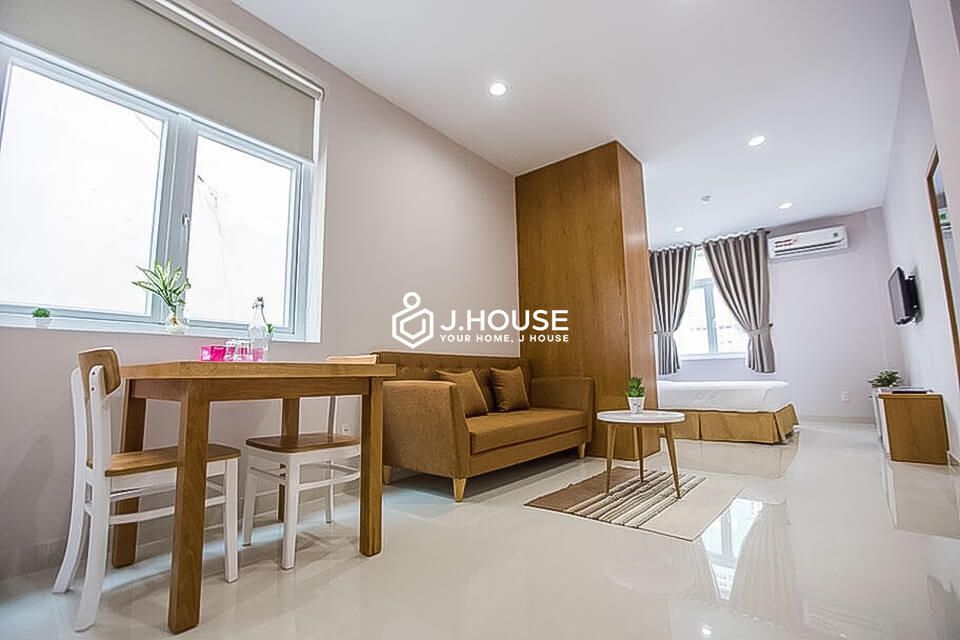
Housing is often the largest expense for expat families in Vietnam. Smart saving strategies for expats start with choosing the right home for your needs. Options vary depending on location, family size, and desired amenities:
- Serviced Apartments: Convenient, fully furnished, ideal for short-term or transition periods.
- Condos: Secure, modern, suitable for families, often in expat-friendly neighborhoods.
- Villas: Spacious, private, and perfect for families wanting outdoor space.
- Shared Housing: Budget-friendly for smaller households or solo parents.
Monthly rent can range from $400 for a one-bedroom apartment in provincial cities to $1,500+ for larger family-friendly condos in Ho Chi Minh City or Hanoi. Choosing wisely not only balances comfort with long-term savings but also reduces commuting costs and ensures proximity to schools, supermarkets, and medical facilities—saving both money and valuable time in your daily life.
Read more: Child-Friendly Apartments & Neighborhoods in HCMC
3. Groceries and Dining: Save Without Sacrificing Quality
Food is a daily necessity, but spending on groceries and dining out can quickly add up. Expat families can adopt smart strategies to save without sacrificing quality:
- Shop at local markets for fresh produce, meats, and seafood—often cheaper than supermarkets.
- Plan meals ahead to minimize food waste and curb impulse purchases.
- Cook at home more frequently, reserving dining out for weekends or special occasions.
- Compare prices online or buy staples like rice, cooking oil, and pasta in bulk.

Monthly food expenses for a family of four typically range from $400–$800, depending on lifestyle and location. Being intentional about groceries and meals helps maintain household finances while still enjoying diverse, high-quality food every day.
4. Transportation: Smart Choices to Reduce Costs
Whether commuting for work or school, managing household expenses in Vietnam includes transportation planning. Options include:
- Motorbikes: Affordable, flexible, and widely used, with monthly costs around $100–$300 including fuel and maintenance.
- Cars: Comfort and practicality for families, but with higher upfront and upkeep costs.
- Ride-hailing apps: Grab and Be are convenient alternatives for occasional trips.
Many expat families combine these methods—using motorbikes for daily commutes and ride-hailing for weekends—to balance convenience with efficiency. Smart planning in transportation not only reduces monthly expenses but also frees up resources for other family priorities.
5. Education and Childcare: Budgeting for the Future
Education is a major consideration for expat families and a crucial part of family budgeting in Vietnam. International school tuition can range from $5,000 to $20,000 per year depending on curriculum, grade, and location. To plan effectively:
- Researching school fees early and incorporating them into annual budgets.
- Exploring additional costs: uniforms, transport, extracurriculars, and school supplies.
- Considering alternative schooling options like bilingual programs or smaller private schools for cost savings.
Childcare, babysitting, or hiring nannies also represent recurring expenses, but choosing reliable support ensures peace of mind and improves overall family quality of life. Smart planning in education and childcare helps maintain financial stability while investing in your children’s future.
Read more: Best International Schools In HCMC (By Age & Curriculum)
6. Healthcare: Protecting Your Family While Staying on Budget
Healthcare is a key part of family budgeting in Vietnam, ensuring your family stays healthy without overspending. Most expats rely on private hospitals and clinics for faster, English-speaking service.

Choosing the right insurance is essential: international plans like Cigna or Allianz offer comprehensive coverage for families and worldwide travel, while local expat-focused plans such as Pacific Cross Vietnam are more affordable yet still cover routine care and emergencies.
Monthly costs typically range from $50–$150 per person. Smart budgeting allocates funds for regular check-ups, preventive care, and unexpected medical needs, giving your family both financial security and peace of mind.
Read more: Kids’ Healthcare: Hospitals & Pediatric Clinics for Expats in HCMC
7. Entertainment and Lifestyle: Balanced Spending
Living well doesn’t mean sacrificing fun. Smart saving strategies for expats include balancing lifestyle choices with budget goals:
- Prioritize experiences over material purchases, e.g., weekend trips or family outings.
- Take advantage of free or low-cost activities: parks, cultural festivals, and local events.
- Set aside a dedicated entertainment fund to prevent overspending.
Being intentional about lifestyle spending ensures your family enjoys life to the fullest, creating lasting memories while maintaining financial stability and aligning with long-term savings goals. Smart choices make leisure both rewarding and sustainable.
Read more: Weekend Family Activities Around the City
8. Savings and Emergency Fund: Financial Safety Nets
No expat budget is complete without a solid buffer, making family budgeting in Vietnam proactive and stress-free.
Experts recommend setting aside at least 10–20% of monthly income for savings and emergencies, using separate accounts to distinguish short-term needs from long-term goals, and planning for rare but costly events such as visa renewals, medical emergencies, or sudden travel.
Maintaining a dedicated emergency fund not only protects your family from unexpected financial shocks but also provides peace of mind and confidence in everyday spending. Smart saving strategies create a stable foundation for long-term financial security and freedom.
9. Smart Tools and Apps for Family Budgeting
Several digital tools make managing finances easier and more efficient:
- Banking apps: Vietcombank, Techcombank, and ACB allow account tracking and seamless transfers.

- Budgeting apps: Spendee, Wallet, or Mint help categorize expenses and track monthly spending.
- Payment apps: Momo and ZaloPay simplify daily transactions and bill payments.
Using these tools integrates household finances into everyday life, making saving and expense tracking intuitive, consistent, and stress-free. With the right digital support, expat families can manage their budget confidently, reduce errors, and focus on enjoying life in Vietnam while staying financially organized.
10. Long-term Planning: Beyond Monthly Budgets
While daily and monthly budgeting is essential, family budgeting in Vietnam also requires long-term planning to secure sustainable financial health. Expat families should:
- Saving for major milestones such as purchasing a home, funding children’s education, or planning for retirement.
- Exploring appropriate investment opportunities, like local property or stocks, can further strengthen financial stability.
- Periodically reviewing and adjusting the budget ensures it aligns with lifestyle changes or unexpected costs.
By combining short-term discipline with long-term foresight, families can confidently manage their finances, achieve key goals, and enjoy a fulfilling life in Vietnam without constant financial stress.
Read more: Open a Bank Account in Vietnam: A Guide for Expats
Family Budgeting in Vietnam – A Step-by-Step Guide
To summarize, here’s a practical roadmap for effective family budgeting in Vietnam:
- Track your expenses: Record all spending for one full month to understand your baseline.
- Set priorities and goals: Clarify what matters most—housing comfort, education quality, or lifestyle experiences.
- Allocate funds smartly: Divide your budget across housing, food, education, transport, healthcare, and entertainment.

- Use digital tools: Leverage budgeting apps and online banking for accuracy and convenience.
- Save proactively: Build an emergency fund and contribute to long-term goals such as education or retirement.
- Review and adjust: Revisit your budget regularly as income, routines, and family needs evolve.
This simple, structured approach empowers expat families to make confident financial decisions and enjoy a stable, fulfilling life in Vietnam.
Final Thoughts: Smart Saving Leads to Peace of Mind
Smart family budgeting in Vietnam isn’t about strict austerity—it’s about planning with intention, spending wisely, and building financial habits that support your long-term expat journey.
When you understand local costs and set clear priorities, everyday decisions around housing, food, education, transportation, and healthcare become easier and more confident. With the right system in place, your family can enjoy meaningful experiences, stay prepared for the unexpected, and thrive in a balanced, sustainable lifestyle.
Take control of your finances today and transform stress into confidence. Your family’s new chapter in Vietnam deserves both comfort and smart financial planning—so budget wisely, save effectively, and embrace the journey ahead.
And if you ever need guidance choosing the right home—one of the biggest parts of any family budget—JHouse is always here to help make life in Vietnam easier and more comfortable.
JHouse Content Team
The in-depth content development team on housing services for foreigners & Vietnamese in Vietnam. The content is simple, easy to understand, and logically arranged to bring readers useful topics and information from real experiences.