









Family Visa Vietnam: Key Tips for Securing a Long-Term Residence Card
Vietnam has become a top destination for expat families seeking a safe, affordable, and culturally rich place to settle. But before fully enjoying life here, understanding the process of securing a family visa & residence card is essential. Navigating paperwork, visa categories, and document requirements can feel overwhelming—especially for families relocating for work, education, or long-term stability.

This guide breaks down the essentials of Family Visa Vietnam procedures and shows you how to obtain a long-term residence card for your spouse and children. With clear steps, expert tips, and practical insights, we aim to simplify the process, reduce stress, and help your family transition into life in Vietnam with confidence.
Why Expat Families Choose Vietnam for Long-Term Living
Vietnam has quickly become a long-term home for expat families thanks to its warm community, modern comforts, excellent international schools, and affordable lifestyle. Cities like Ho Chi Minh, Hanoi, and Da Nang continue to attract families seeking stability and a welcoming environment.
But to truly settle here, parents need clarity on legal status for their spouse and children. Understanding the difference between a family sponsor visa, a dependent visa in Vietnam, and a Vietnam residence card for family members is essential. With the right documents in place, families gain peace of mind, smoother daily living, and the confidence to build a long-term life in Vietnam.
Read more: Raising a Family in Vietnam: Housing, Schools & Lifestyle
Understanding the Primary Options: Family Visa & Residence Card in Vietnam
For expat families planning a long-term life in Vietnam, there are two main legal pathways to secure stable residency: the Family Visa and the Residence Card. Although often mentioned together, each serves a different purpose—and understanding how they connect is key to creating a smooth, long-term stay for your spouse and children.
1. Family Visa Vietnam (VR, TT, or dependent visa categories)
A Family Visa—commonly referred to as a dependent visa Vietnam—allows your spouse, children, or legally recognized dependents to reside in Vietnam under your sponsorship. This visa is typically the first step before applying for a Vietnam residence card for family members.
You may be eligible if:
- You hold a valid work permit, TRC, investor visa, or long-term business visa
- You can provide proof of relationship (marriage certificate, birth certificate, adoption papers)
- Your dependents are either applying from abroad or have entered Vietnam with the correct entry purpose
This option is ideal for families planning to live together for several months to multiple years, providing a solid legal foundation for long-term relocation.
2. Vietnam Residence Card for Family (TRC for spouse and children)
A Temporary Residence Card (TRC) grants your family the right to stay in Vietnam for 1–3 years without frequent visa renewals. It provides unlimited entry and exit, access to essential services, educational stability, and a stronger sense of belonging.

For many expat households, the TRC becomes the ultimate residency goal—removing visa extension stress and supporting deeper, long-term integration into daily life in Vietnam.
Read more: Long-Term Visa, Work Permit & TRC in Vietnam: What You Need to Know
Visa Categories for Family Sponsorship (Simple Breakdown)
Expat families in Vietnam generally rely on a few key visa types:
- TT Visa – for legally recognized spouses or children
- VR Visa – for relatives visiting for shorter stays
- Dependent visas linked to a work permit holder
- TRC for family members – offering long-term stability and multi-year residency
In most cases, if the sponsoring parent has a valid work permit, investor visa, or business visa, dependents can qualify for TT visas or TRCs.
Who Qualifies for a Family Visa or Residence Card?
Eligibility for family visas and TRCs typically includes legally recognized spouses, children under 18, and adult children with disabilities. In some cases, parents may also qualify, though the process is more complex and handled case-by-case.
Regardless of the sponsor’s visa type, Vietnamese immigration places strong emphasis on proving family relationships. All documents—such as marriage certificates or birth certificates—must be properly notarized, legalized, and translated to meet official requirements.
Required Documents for a Family Visa or Residence Card
Preparing the right paperwork is often the biggest challenge for expat families in Vietnam, especially when documents must be legalized and translated before submission. Below is a practical checklist to prevent delays:
For the sponsor (main visa holder):
- Passport + current visa/TRC
- Work permit or work permit exemption (if applicable)
- Investor documents (if applicable)
- Temporary residence confirmation from the local police
- proof of registered address

For the spouse or dependent:
- Passport with remaining validity
- Marriage certificate (legalized + translated)
- Birth certificate for children (legalized + translated)
- Visa or entry stamp matching the correct purpose
- 2 passport photos (white background)
For the TRC application:
- Completed NA6, NA8 forms
- Payment of government fees
- Evidence of cohabitation (sometimes requested)
Families who prepare core documents early, particularly legalized marriage and birth certificates, often experience much faster processing and fewer administrative issues.
Step-by-Step: How to Apply for a Family Visa in Vietnam
Below is a clear, practical roadmap for expats bringing their spouse or children to Vietnam—or transitioning from a short-term visa to long-term residency.
Step 1: Confirm your eligibility as a sponsor.
Your current visa must support family sponsorship. Work permit holders, investors, and business visa holders typically qualify.
Step 2: Prepare and legalize relationship documents.
Marriage and birth certificates must be legalized and translated—a step that may take 1–3 weeks abroad, so many families complete it before arriving.
Step 3: Apply for a Family Visa (TT/VR/Dependent).
Dependents may enter Vietnam with the correct purpose or, in some cases, convert their existing visa from within Vietnam.
Step 4: Submit the TRC application.
Once in Vietnam, dependents can apply for a residence card valid for up to three years, depending on the sponsor’s status.
Step 5: Receive the TRC and settle in.
With the card issued, your family can stay long-term without frequent visa renewals—ensuring stability and peace of mind.
Common Challenges Expats Face (And How to Avoid Them)
Family visa and TRC applications are often delayed by a few recurring issues. The most common include:
- Entering Vietnam with the wrong visa purpose — a tourist visa cannot always be converted, often resulting in costly re-entry trips.
- Missing legalized documents, especially marriage or birth certificates, that must be authenticated and translated before submission.
- Residence address issues when landlords forget to register temporary residence with local police, a mandatory requirement for TRC approval.

- Frequent renewals — families relying on tourist visas experience unnecessary stress, while a TRC offers far better long-term stability.
- Not knowing which visa type applies to them, many newcomers are confused by terms like dependent visa, family sponsor visa, or family residence permit.
Understanding the correct pathway helps families save time, money, and needless frustration.
Long-Term Stay Options for Expat Families
Depending on your family’s long-term goals, you can choose between several pathways:
- A Family Visa for short- to mid-term stay
- A TRC for spouse and children for long-term stability
- Transitioning from a visa to a TRC after obtaining a work permit
- Investor-based options for multi-year residency
For families settling in Vietnam for school, work, or business, the TRC remains the most secure and stress-free choice.
How Long Does It Take to Process a Family TRC?
Typical processing times for expat families are:
- Family Visa (TT/VR): 5–7 working days
- TRC application: 7–15 working days
- Document legalization: varies by home country
During peak months (June–September), processing may take longer. Planning ahead and preparing all documents in advance can help ensure a smoother, faster approval for your family’s long-term residence in Vietnam.
Expert Tips to Make Your Process Faster
To streamline your family visa and TRC application, start by:
- Start legalizing all relationship documents before arriving in Vietnam
- Ensure your landlord registers your temporary residence
- Maintain consistent spelling across every form
- Keep both digital and printed copies of all paperwork
- Apply for the TRC early — before your visa expires
- Work exclusively with licensed visa consultants.

Following these steps can help families avoid delays, reduce stress, and ensure a smooth long-term residency process in Vietnam.
Final Thoughts: Settling in Vietnam with Confidence
Applying for a Family Visa and Residence Card may seem complex initially, but with careful preparation, the process becomes much smoother. Proper documentation, understanding visa options, and timely TRC applications allow families to secure long-term residency, minimize renewals, and enjoy a stable, comfortable life in Vietnam.
Whether bringing your spouse, caring for children, or planning a multi-year stay, Vietnam offers a welcoming environment for expat families ready to call it home.
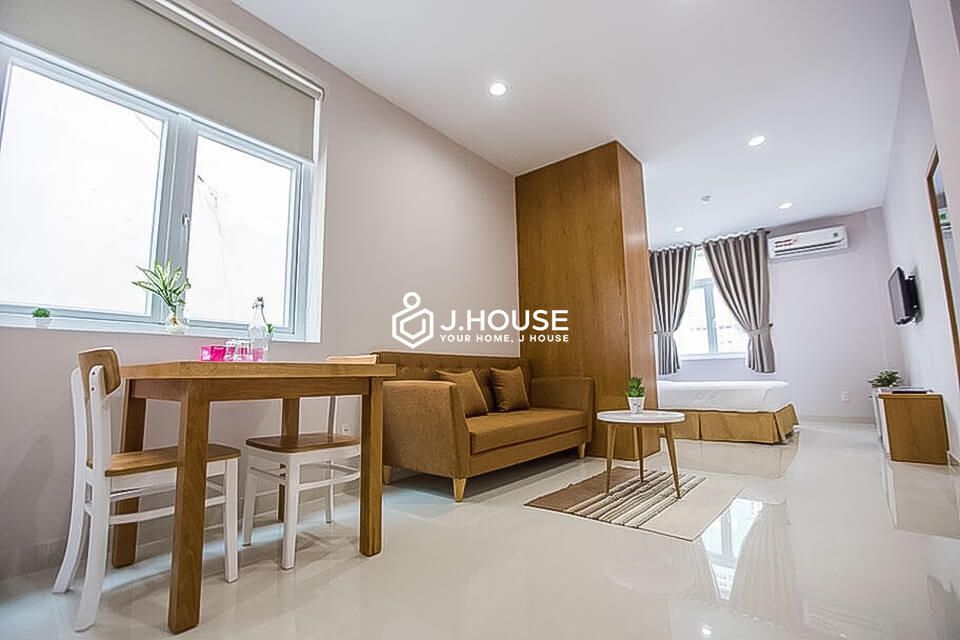
In Ho Chi Minh City, JHouse can help you find the right rental home for your family, making your relocation easier and allowing you to focus on settling in with confidence.
JHouse Content Team
The in-depth content development team on housing services for foreigners & Vietnamese in Vietnam. The content is simple, easy to understand, and logically arranged to bring readers useful topics and information from real experiences.