








Living in Vietnam: What Expats Wish They Knew Before Moving
Moving to Vietnam is more than a relocation — it’s a long-term life decision that reshapes how you work, connect, and define “home.” For many expats, the excitement of new food, vibrant cities, and a lower cost of living often overshadows the quieter realities of living in Vietnam: uncertainty, cultural friction, and the small daily decisions that slowly add pressure over time.

What follows after arrival are lessons no checklist truly prepares you for — about mindset, housing, community, and navigating expat life in Vietnam beyond the honeymoon phase.
This guide brings together what expats wish they knew before moving to Vietnam — not as warnings, but as grounded clarity. If you’re preparing for life here, these insights help turn uncertainty into confidence and relocation into a place that genuinely feels like home.
A Mindset Shift Before Moving to Vietnam: From Arrival to Belonging
The most important preparation for moving to Vietnam isn’t logistical — it’s mental. Many expats arrive comparing everything to “back home,” expecting daily life to function the same way. When it doesn’t, frustration quietly builds.
Living in Vietnam works best when you stop recreating your old life and start intentionally redesigning it. Daily rhythms move differently. Communication is more indirect. Progress comes through relationships, not urgency. These shifts often trigger culture shock in Vietnam — not because something is wrong, but because expectations haven’t adjusted yet.
Expats who settle well long-term ask better questions early:
- What kind of life am I building here?
- Am I seeking comfort, growth, or reinvention?
- How much am I willing to adapt?
Answering these honestly transforms expat life in Vietnam from constant adjustment into genuine belonging.
Read more: Why Expats Fall in Love with Vietnam
Moving to Vietnam: What No One Tells You About Legal Stability
Moving to Vietnam legally isn’t just paperwork — it’s a long-term strategy. Many first-time expats underestimate how deeply visa decisions affect everyday life, from opening a bank account to renting an apartment in Vietnam
Common pathways include:
- Work visa (LD) with a work permit
- Investor visas for business owners
- Family visas (TT) for dependents
- Temporary Residence Cards (TRC) for longer stability

What expats often wish they knew earlier is that short-term visa fixes create long-term stress. Frequent renewals, shifting eligibility rules, and sudden policy changes can quietly disrupt work, housing, and peace of mind.
Experienced expats prioritize legal clarity early, often working with licensed agents to avoid future roadblocks. In the end, legal stability becomes the invisible backbone of long-term living in Vietnam — supporting every decision that follows.
Read more: Long-Term Visa, Work Permit & TRC in Vietnam: What You Need to Know
Choosing Where to Live Shapes How You Live
Vietnam offers dramatically different lifestyles depending on the city and neighborhood you choose. Many expats arrive assuming cheaper rent equals better value, only to discover that living in Vietnam, location shapes daily happiness far more than apartment size.
- Ho Chi Minh City supports ambitious professionals and families seeking career momentum and international schools.
- Hanoi attracts educators and culture-seekers drawn to heritage and a more reflective pace.
- Da Nang appeals to remote workers, balancing beach life with affordability.
- Hoi An and Da Lat offer calm for creatives — with trade-offs in healthcare access and job options.
Experienced expats treat their first months as a scouting phase. Short-term rentals help you test traffic, noise, and community fit before committing — a small step that protects long-term quality of life.
Read more: Finding “Home” Far Away: Real Stories from Tenants
Housing in Vietnam: What Expats Learn the Hard Way
Housing in Vietnam is flexible — but rarely straightforward. Many expats only realize after moving in that renting an apartment in Vietnam involves unwritten rules. Key lessons include:
- Verbal promises don’t replace written contracts
- Maintenance responsibility should be clearly defined
- Furnishing quality varies widely
- Agent representation matters more than listings
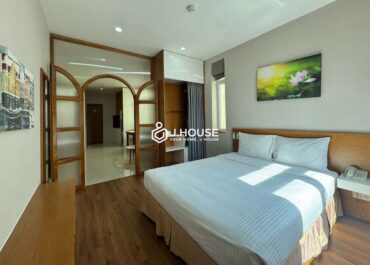
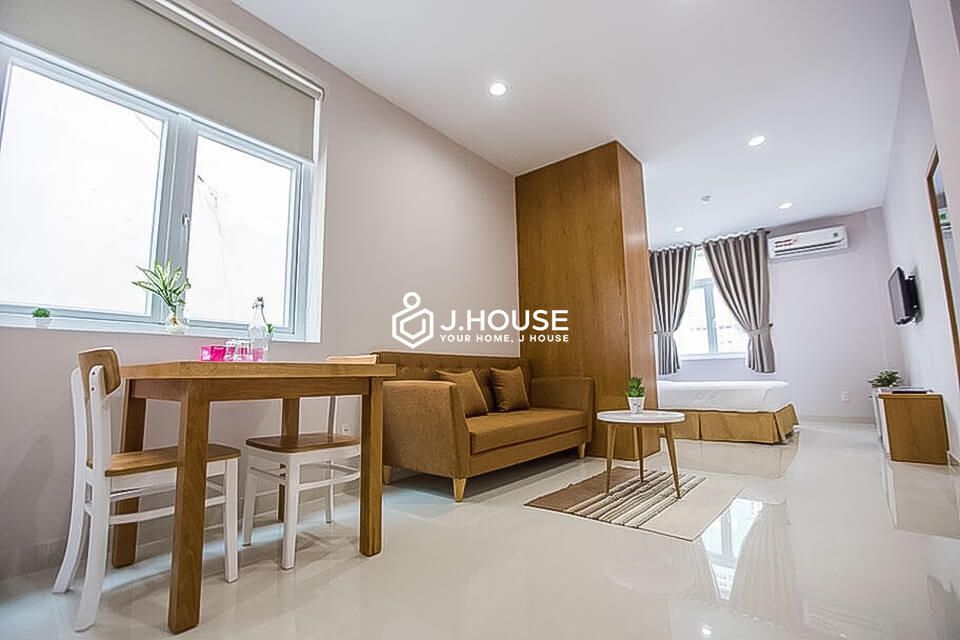
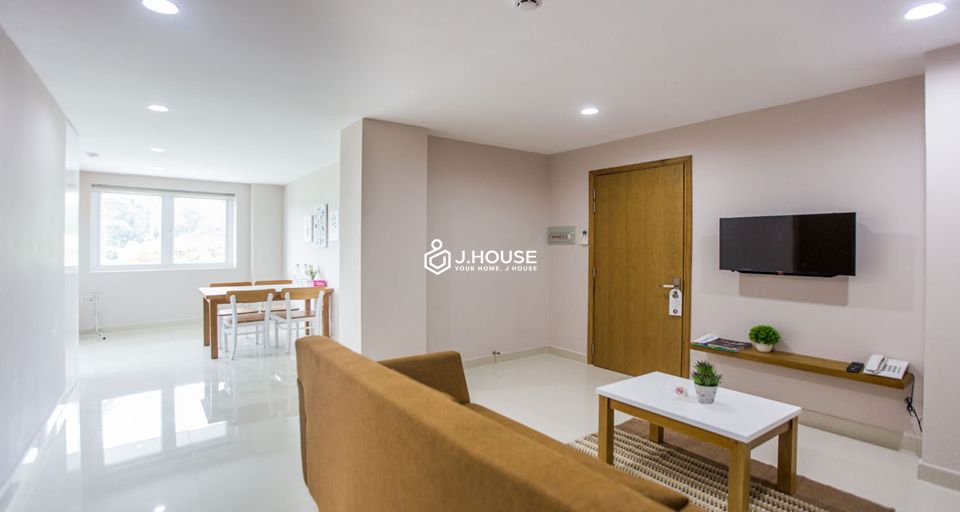
Housing options range from serviced apartments and modern condos to shared housing and family villas. The right home reduces daily friction and supports stability; the wrong one quietly amplifies stress and uncertainty.
At JHouse, we help expats navigate housing in Ho Chi Minh City beyond listings — clarifying terms, protecting tenants, and ensuring each home supports long-term living rather than short-term convenience.
Read more: Lessons Learned from First-Time Renters in Vietnam
Cost of Living in Vietnam: Affordable Doesn’t Mean Automatic
Yes, the cost of living in Vietnam is lower than in many Western countries — but affordability without planning often leads to lifestyle creep.

Rent, utilities, food, transportation, and healthcare can feel manageable at first, yet what expats underestimate are the irregular costs: visa renewals, imported goods, weekend travel, or private medical care.
Living in Vietnam comfortably requires budgeting with buffers, not just monthly estimates. Expats who thrive long-term don’t spend minimally — they spend intentionally, building flexibility into their finances so daily life stays sustainable, not stressful.
Read more: Long-Term Budgeting in Vietnam: Monthly Costs & Smart Saving Tips
Healthcare in Vietnam: Plan Beyond Emergencies
Healthcare in Vietnam has improved rapidly, especially in major cities, but most expats rely on private hospitals for English-speaking doctors and consistent service quality.
Facilities like FV Hospital, Family Medical Practice, Raffles Medical, and major private networks are widely trusted — yet visits often require upfront payment, typically $30–$60 per consultation.
This is why health insurance isn’t just for emergencies; it’s a foundation for long-term living. Choosing between international coverage and local expat-focused plans depends on travel habits, family needs, and risk tolerance. Many long-term expats wish they had planned insurance early — before uncertainty forced rushed decisions.
Read more: Healthcare in Vietnam for Expats: Insurance & Hospital Tips
Daily Life Infrastructure: Banking, Connectivity, and Convenience
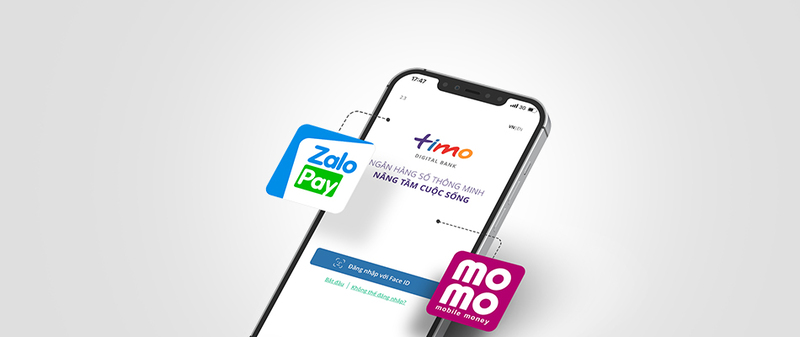
Daily life in Vietnam becomes noticeably smoother once essential systems are in place. Opening a local bank account enables access to digital wallets like Momo and ZaloPay, which power most everyday transactions. While requirements are straightforward — a passport, a valid visa or TRC, and proof of address or employment — many expats delay this step and feel the friction quickly.
Internet and mobile connectivity are reliable, but staying too long on temporary SIMs often disrupts work and routines. Installing home internet and postpaid plans supports stability.
Integration isn’t about getting by with minimal setup — it’s about building systems that quietly support real life.
Culture Shock in Vietnam Is Subtle — and Cumulative
Culture shock in Vietnam rarely hits all at once. It builds quietly through small, repeated moments — indirect communication, slow bureaucracy, constant noise, or different expectations around time. Over weeks, these details can create unexpected fatigue.
What helps most is a shift in response:
- Curiosity instead of comparison
- Humor during misunderstandings
- Asking questions rather than assuming intent
- Building local relationships
Expats who adapt best treat cultural differences as information, not obstacles — and over time, what once felt draining often becomes familiar, even comforting.
Read more: The Most Common Culture Shocks for New Expats in Vietnam
Community Is the Difference Between Staying and Thriving
Many expats underestimate loneliness. You can live comfortably in Vietnam — with good housing and routine — and still feel disconnected. Finding community transforms experience:
- Online groups offer information and events
- Coworking spaces foster professional networks
- Apps like Meetup and InterNations support social connections
- Hobby groups create deeper bonds
Consistency matters more than charisma. Simply showing up, week after week, turns familiar faces into real support systems.
Long-term life in Vietnam isn’t sustained by convenience alone — it’s sustained by connection, shared experiences, and the feeling that you don’t have to navigate everything on your own.

Read more: Local Friendships That Changed Expats’ Lives in Vietnam
Final Thoughts: What Expats Learn After Moving to Vietnam
Moving to Vietnam teaches more than logistics. It reshapes how you adapt, how you relate to others, and how intentionally you design everyday life. The things expats wish they knew earlier aren’t mistakes — they’re milestones of learning.
Life here rewards those who prepare thoughtfully, ask for guidance, and stay open as expectations evolve. Vietnam doesn’t demand reinvention; it invites clarity about what truly matters.
At JHouse, we work with expats who are building lives, not just securing apartments. By simplifying housing decisions and sharing grounded local insight, we help create the stability that allows long-term living in Vietnam to feel confident, sustainable, and deeply personal.
Let Vietnam be more than a move. Let it become home — by choice, not by chance.
JHouse Content Team
The in-depth content development team on housing services for foreigners & Vietnamese in Vietnam. The content is simple, easy to understand, and logically arranged to bring readers useful topics and information from real experiences.