









Family Life in Vietnam: Housing, Schools & Lifestyle for Expats
Raising a Family in Vietnam is no longer a fringe idea — it’s a conscious decision made by expat parents seeking stability, affordability, and a meaningful global upbringing for their children. Beyond low living costs, Vietnam offers something deeper: a family lifestyle that feels connected, balanced, and surprisingly sustainable.

But turning that possibility into long-term confidence takes more than enthusiasm. Housing choices shape daily routines. Schools influence not just education, but belonging. Lifestyle decisions determine whether Vietnam becomes a temporary chapter—or a place your family can truly call home.
This guide offers a big-picture roadmap for expat families living in Vietnam. Built on real-world experience, it connects the essential pieces—housing, schools, safety, healthcare, finances, culture, travel, and legal stability—so you can build a family life designed to last, not just adapt.
Raising a Family in Vietnam: What Matters Beyond the Basics
Raising a family abroad is never just about logistics—it’s about intention. For expat families in Vietnam, the real shift isn’t location, but mindset. You’re no longer asking, “Can we live here?” You’re asking, “How well can we live here—together, long term?”
Vietnam supports that shift in subtle but powerful ways. Neighborhoods feel social rather than isolated. Daily support systems are accessible. International education continues to expand, while weekend travel remains simple and affordable. Yet none of these elements work in isolation. Long-term success comes from understanding how they connect—and choosing with intention.
Families who thrive don’t chase perfection. They prioritize alignment: between housing and schooling, lifestyle pace and family values, short-term ease and long-term stability. That alignment is what transforms family life in Vietnam from something you manage… into something you genuinely build.
Choosing Family-Friendly Housing That Supports Daily Life
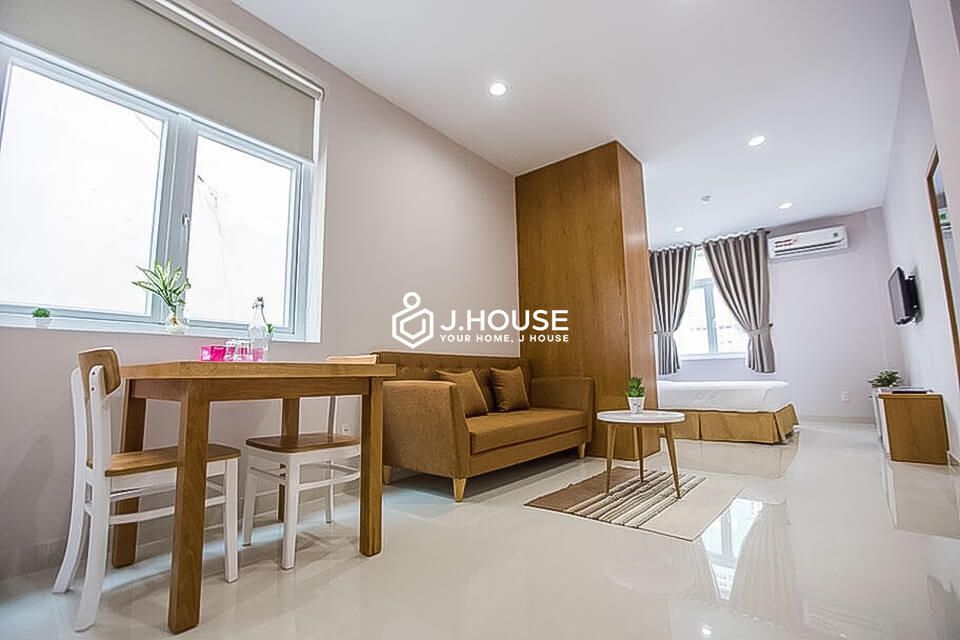
Where you live quietly defines how your family functions day to day. Housing for families in Vietnam ranges from secure condos and serviced apartments to spacious villas designed for long-term comfort—but the right choice is less about size, and more about fit.

Family-friendly neighborhoods prioritize safety, walkability, green spaces, and easy school access. In major cities, expat families gravitate toward areas that reduce commute stress, soften traffic exposure, and encourage community living rather than isolation.
Living in Vietnam with children means thinking beyond square meters. Traffic flow, school routes, noise levels, and neighborhood rhythm all shape family wellbeing. That’s why many long-term expats treat their first lease as a learning phase—exploring before committing.
A well-chosen home does more than house your family. It anchors routines, lowers daily stress, and creates the emotional foundation your family needs to truly settle.
Read more: Child-Friendly Apartments & Neighborhoods in HCMC
Education First: Finding the Right Schools for Expat Children
For expat families, choosing schools in Vietnam is often the most emotionally charged decision. Education isn’t just a service—it’s a long-term commitment to how your child grows, adapts, and thrives across cultures.
Vietnam’s international education landscape has matured rapidly. Families can now choose from well-established international curriculums, bilingual models, and alternative learning approaches—each supporting different learning styles, transitions, and future pathways.
The right fit depends on more than rankings. Are you building roots in Vietnam or planning another relocation? Do you prioritize academic outcomes, emotional development, global exposure, or a balance between them?
Families who settle most confidently align school philosophy with family values. When education supports both learning and belonging, children don’t just study in Vietnam—they grow with it.
Read more: Best International Schools In HCMC (By Age & Curriculum)
Lifestyle: Creating Balance for Parents and Children
One of Vietnam’s most underrated strengths is how naturally family life finds its balance. Daily routines feel outward-facing—children play freely with neighbors, meals stretch into conversations, and structure coexists with flexibility.
Beyond cafés and malls, family life in Vietnam extends into weekend beach trips, short nature escapes, and cultural festivals that fit school schedules. Children experience diversity not as a lesson, but as everyday life.

For parents, balance often comes through accessible support systems—domestic helpers and nannies who ease daily pressure, fresh markets that simplify meals, and communities that normalize shared parenting.
This rhythm lets families slow down without narrowing opportunity—creating space for both growth and connection.
Read more: Weekend Family Activities Around the City
Safety: Raising Children with Confidence
Safety is often a quiet, unspoken concern for expat families. Vietnam is generally considered safe, but long-term living calls for awareness—not constant worry.
For families, everyday safety is shaped less by crime statistics and more by traffic conditions, pedestrian access, and emergency readiness. Parents adapt by choosing walkable neighborhoods, setting clear boundaries for children, and learning local norms rather than pushing against them.
Over time, the community plays a growing role. In family-oriented areas, routines become visible—neighbors recognize each other, and informal watchfulness develops naturally.
In Vietnam, safety isn’t about avoiding risk altogether. It’s about gaining familiarity, building habits, and raising children with calm, informed confidence.
Read more: Safety Tips for Families Living in Vietnam – Complete Expat Guide
Healthcare for Children: Planning Beyond Emergencies
Child healthcare in Vietnam has advanced significantly, especially in major cities where private hospitals and international clinics provide reliable, English-speaking care for expat families.
The system works best when approached proactively. Establishing a trusted pediatrician, following vaccination schedules, planning dental care, and knowing where to go in emergencies should all be part of your long-term family setup—not last-minute responses.
International and regional health insurance adds flexibility, covering specialist care and travel when needed. When healthcare is planned early, parents gain more than medical access—they gain consistency, confidence, and the stability every family needs to settle in Vietnam.
Read more: Kids’ Healthcare: Hospitals & Pediatric Clinics for Expats in HCMC
Help at Home: Domestic Support That Changes Everything
For many expat families, domestic support in Vietnam quietly transforms daily life. Helpers and nannies reduce the invisible workload—freeing parents to focus on work, children, and genuine family time instead of constant coordination.

Success depends on clarity. Well-defined roles, routines, communication, and cultural understanding create trust over time. Consistency matters far more than speed.
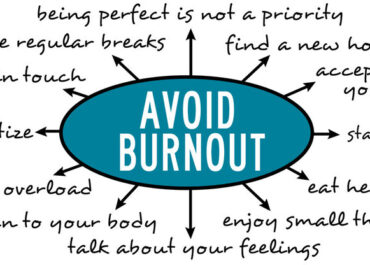
This support isn’t about replacing parental involvement. It’s about building sustainable rhythms that prevent burnout and allow family life in Vietnam to feel balanced, supported, and realistically long-term.
Read more: Domestic Helpers and Nannies: What Expats Should Know
Culture & Identity: Raising Global, Grounded Kids
Raising bilingual or multicultural children in Vietnam offers a rare advantage—cultural fluency shaped through everyday life. Children learn flexibility, empathy, and confidence not from textbooks, but from navigating languages, traditions, and social norms naturally.
Balancing cultures doesn’t mean choosing between identities. It means creating space for children to feel rooted while staying open. Local friendships, international schools, festivals, and daily language exposure all contribute to this balance.
For many expat families, Vietnam becomes the place where children grow into global citizens—grounded emotionally, adaptable socially, and secure in who they are.
Read more: Balancing Two Cultures: Raising Multilingual Children in Vietnam
Family Budgeting: Sustainable, Not Restrictive
The cost of raising a family in Vietnam remains manageable, but long-term affordability depends on intention. Family budgeting works best when it reflects everyday realities—not short-term assumptions.
Housing, education, healthcare, childcare, and lifestyle spending all deserve a clear plan. Families who budget proactively don’t feel constrained—they feel in control.
Smart budgeting isn’t about spending less. It’s about directing resources toward what truly supports your family’s stability, growth, and long-term life in Vietnam.
Read more: Family Budgeting in Vietnam: Smart Saving for Expats
Traveling with Kids: A Country Designed for Exploration
Traveling with kids in Vietnam is unexpectedly simple. Short travel distances, varied landscapes, and family-oriented hospitality allow trips to fit naturally into school schedules and family routines.
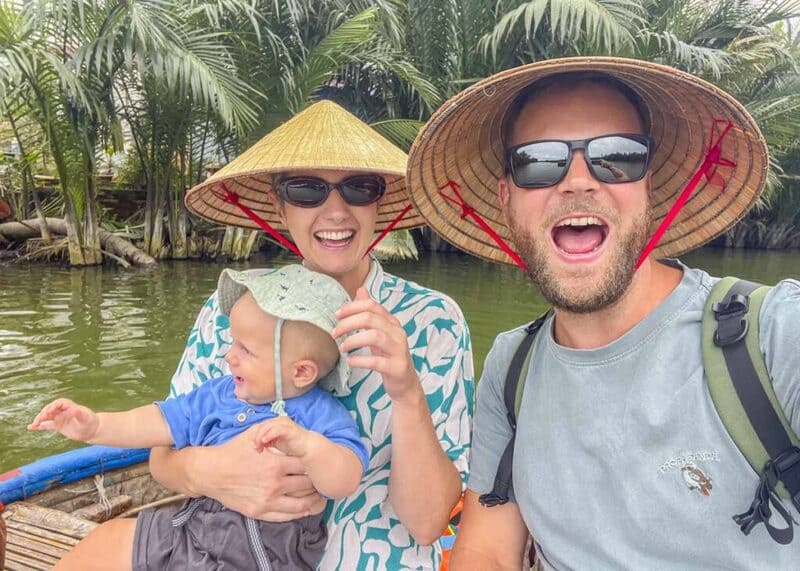
From beach towns and heritage cities to highlands and national parks, travel becomes an extension of education rather than a break from it. Children learn geography, culture, and adaptability through shared experiences.
For expat families, these journeys build connection—turning weekends and holidays into meaningful moments that often shape a child’s strongest memories of growing up in Vietnam.
Read more: Traveling with Kids in Vietnam: What Expat Families Should Expect
Legal Stability: Visas That Support Family Life
Legal status is often invisible—until it disrupts daily life. For expat families in Vietnam, family visas, dependent permits, and temporary residence cards influence everything from school enrollment to healthcare access and long-term planning.
Preparing legal documentation early reduces uncertainty as your family grows and circumstances evolve. Visas should support stability, not create friction.
When legal foundations are secure, families feel freer to settle in emotionally. Legal stability doesn’t just allow residence—it supports continuity, confidence, and a true sense of home in Vietnam.
Read more: Family Visa & Residence Card Tips for Long-Term Stay in Vietnam
Final Thoughts: Turning Family Life into Belonging
Raising a Family in Vietnam isn’t about recreating life elsewhere—it’s about shaping a life that truly fits your family. When housing, schools, lifestyle, healthcare, and legal stability align, everyday pressures ease. Children grow more adaptable. Parents feel supported. And over time, life stops feeling temporary.
At JHouse, we know that finding the right home is only the first step. Housing is the foundation—but long-term family life is the goal. We work with expat families who are ready to build not just a place to live, but a place to belong.
Vietnam doesn’t simply host families. It gives them space to grow, connect, and create a future that feels genuinely their own.
JHouse Content Team
The in-depth content development team on housing services for foreigners & Vietnamese in Vietnam. The content is simple, easy to understand, and logically arranged to bring readers useful topics and information from real experiences.