









Expat Parenting in Vietnam: Stories Beyond Schools and Housing
Raising kids as an expat in Vietnam is rarely just a logistical decision. It is an emotional commitment—marked by uncertainty, quiet hope, and the desire to create stability on unfamiliar ground.
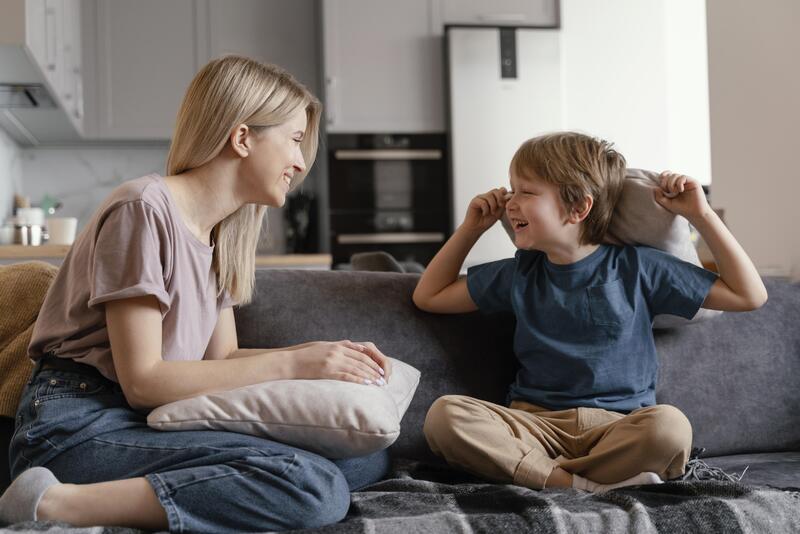
While schools, visas, and housing often dominate early conversations, expat parenting quickly surfaces deeper questions: How will my child adapt? Where will they feel safe? Can this place truly become home?
Across Vietnam—from Ho Chi Minh City to Hanoi and Da Nang—expat families are learning that raising children abroad is not defined by addresses or classroom rankings. It unfolds through everyday routines, cultural negotiations, and the gradual building of trust—between parents and place, and within the family itself. This is where expat parenting in Vietnam begins to move beyond planning and toward belonging.
Raising Kids as an Expat: When Practical Decisions Aren’t Enough
Raising kids as an expat begins long before the first school tour or lease agreement. It starts with a mindset shift—from seeing life abroad as temporary, to intentionally building a family life overseas.
Many expat parents arrive in Vietnam focused on solving immediate needs: enrolling children in international schools, finding a safe apartment, and securing reliable healthcare. These decisions matter. But over time, families discover that long-term stability is sustained by more than infrastructure—it depends on emotional integration.
Children are highly perceptive. When parents remain mentally “in transit,” children often struggle to feel grounded. Expat parenting in Vietnam becomes more sustainable when families stop comparing daily life to what they left behind, and begin engaging fully with where they are—its rhythms, limitations, and quiet opportunities.
This shift—from managing logistics to cultivating presence—is where expat family life truly starts to take root.
Read more: Expat Life in Vietnam: Real Stories and Insights
Beyond Schools: Learning Happens Everywhere
Vietnam offers a growing range of international schools, from British and IB curricula to bilingual programs. For many expat parents, education becomes the first—and most stressful—decision. Yet raising children abroad soon reveals a deeper truth: learning doesn’t end at the school gate.
Expat kids absorb lessons daily by watching how their parents navigate markets, greet neighbors, bridge language gaps, or respond to cultural differences. These ordinary moments quietly teach resilience, empathy, and adaptability—skills no curriculum can fully replicate.

In Vietnam, children often learn to:
- Communicate across language barriers using patience and creativity
- Observe social cues in a culture that values harmony and respect
- Develop independence earlier by navigating unfamiliar environments
Over time, these experiences shape third-culture kids—globally aware, emotionally perceptive, and comfortable with difference. For many expat families, this becomes one of the most meaningful outcomes of raising kids overseas.
Beyond Housing: Home Is an Emotional Space
Housing is often treated as a practical checklist—size, budget, safety, proximity to school. Yet for families raising kids as expats, home carries a deeper emotional weight. It is where children find continuity, predictability, and a sense of ownership in an otherwise changing environment.
Frequent moves, unclear lease terms, or unresolved maintenance issues may seem minor to adults, but they quietly erode a child’s sense of security. In Vietnam’s flexible housing market, many expat families benefit from slowing down. Short-term rentals allow space to explore neighborhoods before committing.
Areas such as Thao Dien, District 7, Tay Ho, or An Thuong appeal not only for convenience, but for walkability, green spaces, and everyday community life. At JHouse, we often see that once housing stress fades, families regain the mental space to parent with calm, presence, and confidence.
Read more: Finding “Home” Far Away: Real Stories from Tenants
Daily Life: Where Expat Parenting Really Takes Shape
The most defining moments of expat parenting are rarely dramatic. They unfold quietly through everyday routines. Morning school drop-offs along busy streets. Weekend bike rides by the river. Shared meals that blend familiar traditions with Vietnamese flavors. These small rituals create stability—and children thrive on their predictability.
Vietnam’s lifestyle offers unexpected advantages for expat families:
- Affordable domestic help allows parents more quality time with children
- Outdoor living encourages active, social childhoods
- Proximity to nature enables regular family escapes
Over time, many families notice a subtle shift. Life feels less rushed. Parenting becomes less about managing schedules and more about being present together. This rhythm—grounded, flexible, and relational—is often what convinces expat families that Vietnam can support not just daily life, but long-term family growth.
Read more: Everyday Joys of Living in Vietnam
Cultural Adaptation: A Family Process
Cultural adaptation for children rarely happens in isolation. It reflects how parents engage with the world around them. Children notice everything—frustration at small inconveniences, curiosity toward difference, moments of respect or withdrawal. These cues quietly shape how safe the unfamiliar feels.
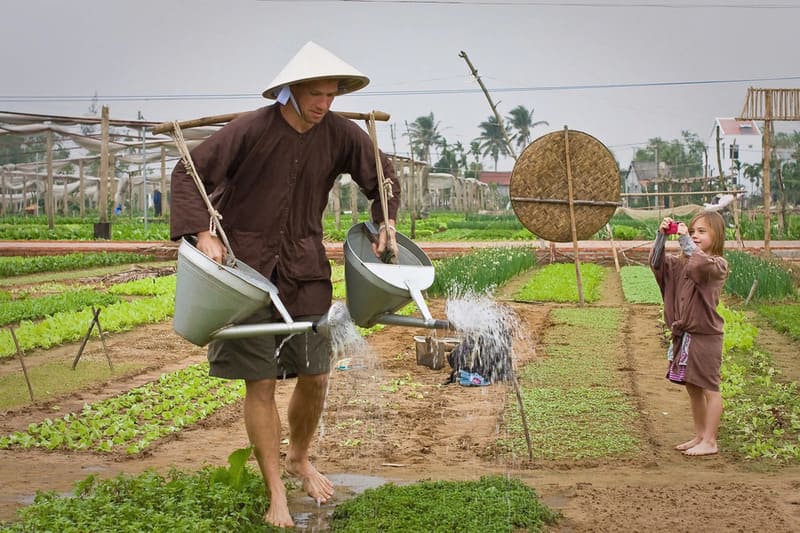
Families who approach life in Vietnam with openness often raise children who grow confident navigating cultural differences. Simple acts—using basic Vietnamese phrases, greeting neighbors, joining local celebrations—send powerful signals of belonging. Expat parents may worry about cultural confusion, yet children usually adapt faster than adults. What they need most is emotional reassurance: permission to ask questions, voice discomfort, and adjust at their own pace.
Expat parenting in Vietnam becomes more sustainable when adaptation is treated not as a problem to solve, but as a shared family journey—one shaped by patience, presence, and trust.
Read more: The Most Common Culture Shocks for New Expats in Vietnam
Community: The Invisible Support System
Isolation is one of the quietest—and heaviest—challenges expat families face. Even with comfortable housing and good schools, daily life can feel fragile without connection. Community reshapes the expat family experience, not through occasional playdates or school networks, but through consistent relationships that offer understanding without explanation.
In Vietnam, expat parents often find support through:
- School parent communities
- Neighborhood friendships
- Sports clubs, hobby groups, or volunteer projects
- Online expat groups that transition into offline connections
Children benefit profoundly from watching their parents build friendships. It sends a simple, reassuring message: we are not navigating this alone. Belonging rarely arrives all at once. It forms gradually—through showing up, sharing challenges, and trusting small moments to turn unfamiliar places into something closer to home.
Read more: Local Friendships That Changed Expats’ Lives in Vietnam
Emotional Challenges Parents Don’t Talk About
Behind curated photos and positive stories, expat parenting carries quiet emotional weight. Parents often wrestle with guilt: Am I taking something away from my child by raising them abroad? Am I choosing exploration over stability?
Moments of doubt surface during illnesses, school transitions, or cultural misunderstandings—especially when far from familiar support systems in Vietnam. These feelings are not signs of failure; they are part of the process. Long-term expat families learn that stability doesn’t come from removing uncertainty, but from navigating it together with honesty and calm.

Raising kids as an expat requires emotional transparency. Children don’t need perfect parents. They need grounded ones who can hold uncertainty without passing it on.
Read more: How Expats Redefine “Belonging” While Living in Vietnam
Raising Globally Minded Children in Vietnam
For families who choose to stay, Vietnam becomes more than a setting—it quietly shapes their children’s worldview. Kids raised here learn to read contexts, adapt across cultures, and feel comfortable in difference.
They grow up navigating languages, traditions, and social cues with ease, understanding that “normal” is flexible and belonging isn’t tied to a single place.
This global mindset isn’t formed in classrooms alone. It develops through everyday exposure—shared meals, local friendships, and constant cross-cultural interaction. Over time, these lived experiences become one of the most lasting gifts of expat parenting in Vietnam.
When Vietnam Starts to Feel Like Home
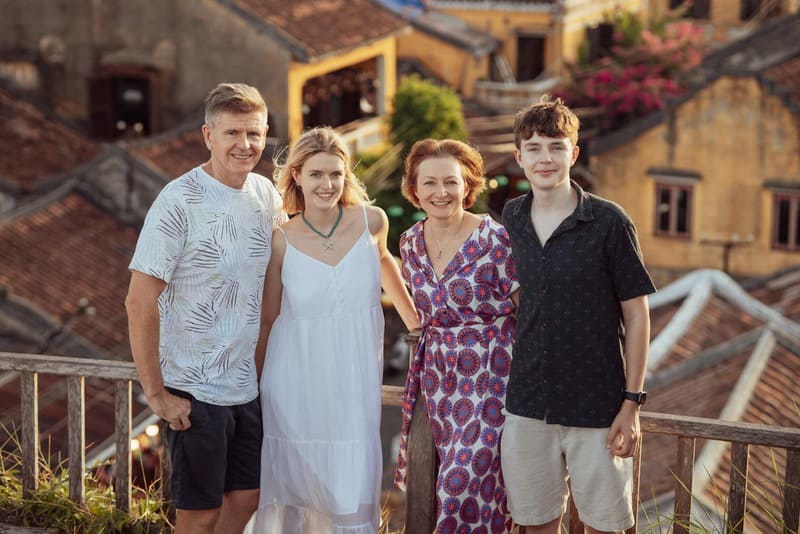
There’s a quiet shift many expat families recognize. Weekend plans no longer feel temporary. Children speak of Vietnam as “home” without thinking. And the idea of leaving begins to carry more weight than staying. In that moment, expat parenting stops feeling like an experiment—and becomes a chapter of life with roots.
At JHouse, we support families through the housing decisions that shape each stage of this transition. Our work focuses on more than just finding a place to live. By reducing friction, clarifying decisions, and creating housing stability, we help families reclaim mental space.
When daily logistics feel settled, parents are free to focus on what matters most—being present, grounded, and fully engaged in the life they’re building in Vietnam.
Read more: Things Expats Slowly Learn to Love in Vietnam
Final Thoughts: Parenting Beyond Checklists
Raising kids as an expat in Vietnam isn’t defined by schools, housing, or paperwork alone. It’s shaped by everyday choices, emotional resilience, and the willingness to build family life without a fixed template.
For families who engage deeply, Vietnam offers more than affordability or convenience. It offers space—to slow down, to reconnect, and to raise children who feel secure navigating an ever-changing world. The journey isn’t always smooth. There are doubts, adjustments, and moments of uncertainty. But for many expat families, the growth—both for parents and children—makes it profoundly worthwhile.
And when housing becomes part of that equation, having the right support can make all the difference. When you’re ready to find a home that truly supports your family life in Vietnam, JHouse is here to help—quietly, clearly, and with care.
JHouse Content Team
The in-depth content development team on housing services for foreigners & Vietnamese in Vietnam. The content is simple, easy to understand, and logically arranged to bring readers useful topics and information from real experiences.