











Raising Bilingual Children in Vietnam: Balancing Cultures Confidently
Raising bilingual children in Vietnam is more than teaching language skills—it’s about guiding your kids through the rich, sometimes challenging mix of cultures around them. Many parents worry about maintaining heritage language while helping children thrive in Vietnamese and international environments.
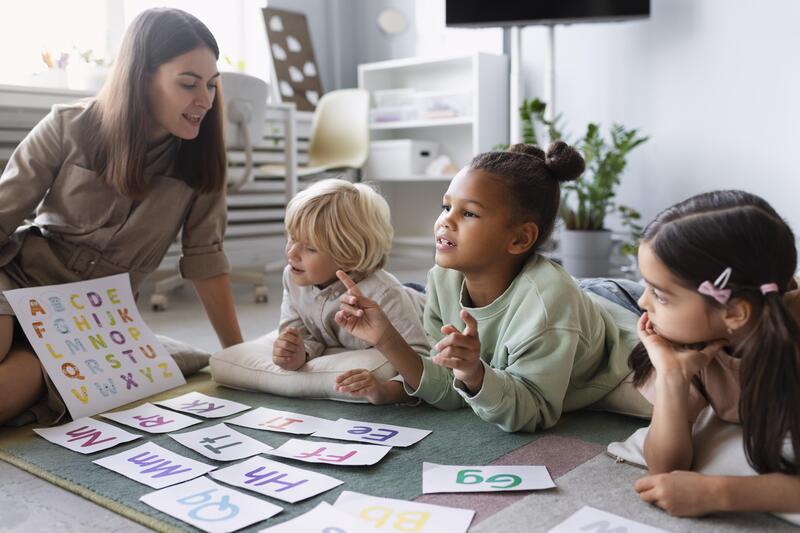
Whether your goal is nurturing multilingual children who excel academically, socially, and emotionally, or creating a home where both heritage and local languages flourish naturally, this guide offers practical strategies and insights.
With actionable tips, real-life examples, and cultural guidance, families can confidently support their children’s language development and cultural growth, ensuring a well-rounded, resilient, and globally-minded upbringing in Vietnam.
Raising Multilingual Children in Vietnam: Key Benefits and Insights
Raising multilingual children in Vietnam provides a unique chance for cultural immersion and practical language growth. Vibrant cities, rich traditions, and a growing international community create an environment where children can learn Vietnamese alongside other languages naturally.
Many parents worry about balancing heritage language with local fluency, but early exposure helps children become linguistically skilled and culturally aware. Multilingual kids often enjoy cognitive advantages, including enhanced problem-solving, creativity, and memory, while developing empathy, adaptability, and a strong identity.
For families living abroad, raising multilingual children in Vietnam ensures that kids maintain ties to their roots while thriving socially, academically, and emotionally in a multicultural environment.
Choosing the Right Approach to Bilingual Parenting
There’s no one-size-fits-all formula for raising bilingual children, but adopting strategies that honor both languages and cultures is essential. Popular approaches include:
- One Parent, One Language (OPOL): Each parent consistently speaks a different language, helping children differentiate languages and achieve balanced development.
- Minority Language at Home (MLAH): Parents use their native language at home, while children are exposed to the local language at school and socially, ensuring heritage language retention.
- Time and Place Strategy: Setting specific times or contexts for each language encourages proficiency without confusion.
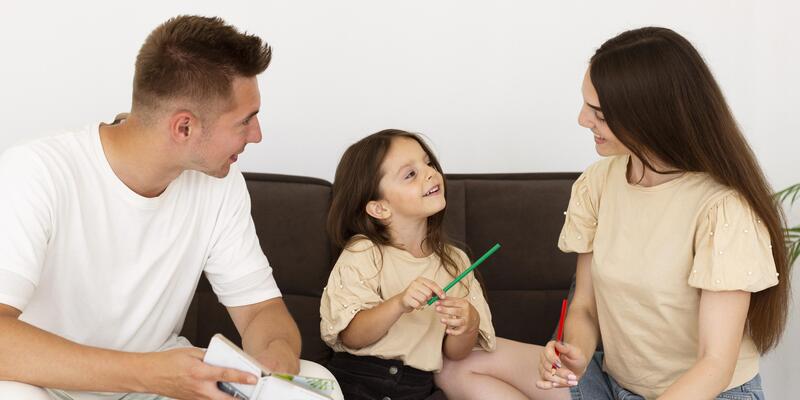
In Vietnam, these methods adapt seamlessly to daily life. Engaging with local communities, enrolling in international schools, or joining bilingual playgroups gives children practical, enjoyable exposure to multiple languages while supporting cultural confidence.
Creating a Culturally Balanced Home
Balancing cultures goes beyond language—it’s about lifestyle, traditions, and values. Many parents worry that their children may lose touch with their heritage or struggle to fit in locally. To cultivate cultural balance at home, consider these steps:
- Celebrate Both Cultures: Observe holidays, cook traditional meals, and share customs from your heritage and Vietnamese culture to create a sense of belonging.
- Language-Rich Environment: Provide books, music, and media in both languages to reinforce bilingual skills naturally.
- Social Integration: Arrange playdates with local and international peers to enhance communication and adaptability.
- Consistent Routines: Incorporate reading, conversation, and cultural activities daily, making bilingualism seamless.
These practices help children develop empathy, confidence, and a strong multicultural identity.
Raising Multilingual Children – Practical Tips for Expat Families in Vietnam
Raising multilingual children in Vietnam takes thoughtful planning, especially for expat families navigating a new culture. Many parents worry their kids may fall behind in language skills or struggle to connect locally. To make bilingual parenting effective, try these strategies:
- Bilingual or International Schools: Programs like ISHCMC, BIS, and UNIS Hanoi teach English while exposing children to Vietnamese.
- Language-Savvy Tutors or Nannies: Specialized helpers ensure consistent practice.
- Community Resources: Libraries, cultural centers, and expat networks offer workshops and events for language and cultural growth.
- Daily Practice at Home: Encourage speaking both languages during meals, storytelling, or playtime, using positive reinforcement.
- Technology & Media: Educational apps, cartoons, and audiobooks supplement learning.
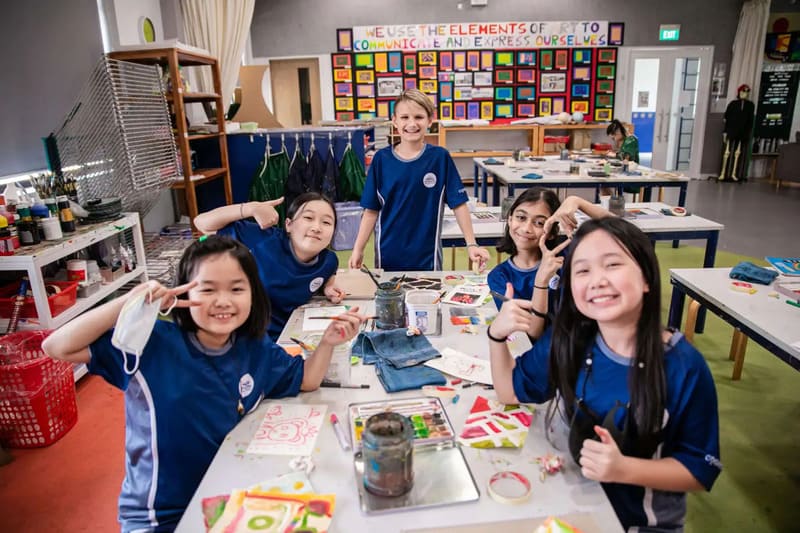
These steps help children gain fluency, cultural competence, and confidence, preparing them for a global future.
Understanding Common Challenges and How to Overcome Them
Raising bilingual children comes with real challenges, and many parents worry about language confusion or cultural gaps. Common obstacles include:
- Language Mixing: Children may blend languages at first. Gently correct and model proper usage consistently.
- Limited Exposure: If one language is less frequent, schedule regular practice and social interactions to bridge gaps.
- Cultural Tension: Kids may feel torn between home and local cultures. Open conversations and shared activities help them embrace both identities.
- Consistency Across Caregivers: When grandparents, nannies, or teachers use different languages, clear guidelines ensure smooth communication.
By anticipating these challenges, expat parents in Vietnam can support their children’s language development, cultural confidence, and emotional well-being effectively.
The Role of Community and Social Networks
Vietnam offers a growing network of expat communities, cultural centers, and international programs, which are invaluable for families raising multilingual children. Many parents worry that kids may lack real-life language practice or social connections. Engaging with local and international communities provides:
- Language Practice: Playgroups, storytimes, and cultural events encourage natural use of multiple languages.
- Support Networks: Parents share strategies, experiences, and resources for effective bilingual parenting.
- Cultural Exposure: Interacting with diverse peers fosters social skills, adaptability, and cultural literacy.
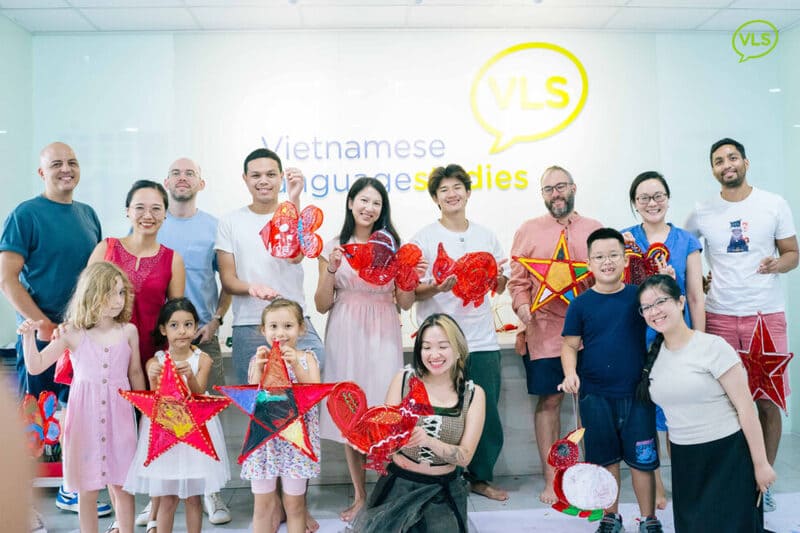
Online platforms like Facebook groups (Expats living & working in Vietnam, Foreigners in Saigon, Hanoi Massive), InterNations, and Meetup make arranging playdates and community engagement easier, enriching children’s multilingual development and confidence.
Read more: Finding Your Tribe: Join Expat Communities in Ho Chi Minh City
Making Education Work for Multilingual Growth
Education plays a crucial role in raising multilingual children in Vietnam. Many parents worry their kids might fall behind in language or struggle to balance multiple cultures. To support multilingual growth:
- School Choice: Select bilingual, international, or local Vietnamese schools based on language goals and family priorities.
- Extracurricular Activities: Music, drama, sports, and cultural classes reinforce language retention and social confidence.
- Parental Involvement: Active engagement in homework, reading, and school events strengthens language skills.
By carefully choosing schools and activities, parents help children excel academically while maintaining strong bilingual abilities.
Read more: Best International Schools In HCMC (By Age & Curriculum)
Long-Term Benefits of Raising Bilingual Children
Raising bilingual children in Vietnam offers lifelong advantages that go far beyond language skills. Many parents hope their kids will thrive academically, socially, and culturally, while building confidence in a multicultural world. Key benefits include:
- Cognitive Advantages: Multilingual children show stronger problem-solving, creativity, and executive function.
- Cultural Agility: They navigate multiple cultures with ease, fostering empathy and global awareness.
- Career Opportunities: Fluency in several languages opens doors to international education and careers.
- Personal Identity: Children gain pride in their multicultural background, enhancing resilience and self-esteem.

These skills equip children to succeed personally, academically, and professionally throughout life.
Practical Tips for Daily Life in Vietnam
Raising multilingual children in Vietnam becomes easier with consistent, creative daily practices. Many parents worry their kids may miss opportunities to use both languages or connect with local culture. Practical tips include:
- Everyday Language Use: Shopping, cooking, and outdoor play become natural moments for bilingual conversation.
- Celebrate Local Culture: Attend festivals, explore museums, and learn Vietnamese history to deepen cultural understanding.
- Travel Locally: Weekend trips expose children to dialects, customs, and geography, enhancing learning organically.
- Peer Interaction: Arrange playdates with both Vietnamese and international children to strengthen social and language skills.
Consistency and creativity make bilingual parenting rewarding and achievable.
Read more: Raising a Family in Vietnam: Housing, Schools & Lifestyle
Conclusion: Raising Bilingual Children in Vietnam with Confidence
Raising bilingual children in Vietnam is a journey full of opportunities, challenges, and rewards. By combining language learning with cultural experiences, supporting education, engaging with community resources, and keeping consistent routines, expat parents can nurture children who thrive both at home and globally.
With careful planning and balance, children develop fluency, empathy, and resilience, confidently navigating multiple cultural worlds. Raising multilingual children is not just about language—it’s about building bridges between cultures and fostering lifelong skills.
For families settling in Vietnam, creating the right home environment is key. Whenever you need a supportive living space in Ho Chi Minh City, JHouse is ready to help you find the perfect apartment to support your family’s journey.
JHouse Content Team
The in-depth content development team on housing services for foreigners & Vietnamese in Vietnam. The content is simple, easy to understand, and logically arranged to bring readers useful topics and information from real experiences.