







Why Expats in Vietnam Choose Long-Term Living
Long-term decisions rarely arrive overnight. For many foreigners, the choice to stay long-term in Vietnam begins quietly — when the excitement of arrival fades, routines take shape, and daily life no longer feels temporary. Vietnam shifts from a place to experience into a place to build, where careers deepen, relationships grow, and personal rhythms finally settle.

At JHouse, we work closely with expats standing at this exact crossroads. Some arrive on one-year contracts. Others come simply to explore Southeast Asia. Yet over time, many face the same question: Is this still just a stop — or could it become home?
This article explores why that turning point happens, and what truly leads expats to stay long-term in Vietnam.
The Turning Point: From Temporary Stay to Long-Term Commitment
Every expat experiences Vietnam differently, yet many who choose long-term living in Vietnam describe the same internal shift. The early months are about survival and adaptation — visas, housing, traffic, and learning how things work. Over time, familiarity replaces friction. Then, almost quietly, intention emerges.
This turning point is rarely sparked by a single moment. Instead, it forms through accumulation: stable work, meaningful friendships, a café that remembers your order, or the realization that life here feels balanced rather than rushed. Gradually, short-term thinking gives way to long-term planning.
At that stage, expats stop asking “How long will I stay?” and begin asking “How do I build a better life here?” That question marks the true beginning of long-term living in Vietnam.
Read more: What Changes When Expats Work and Live in Vietnam
Why Expats Stay Long-Term in Vietnam
To understand why expats stay long-term in Vietnam, it helps to look beyond surface-level advantages. Affordability and climate may draw people in, but they rarely explain why someone chooses to remain. Long-term commitment grows from alignment — when lifestyle, personal values, and opportunity begin to reinforce one another instead of competing for attention.
1. A Lifestyle That Balances Ambition and Ease
Vietnam offers something increasingly rare in modern cities: momentum without constant pressure. In hubs like Ho Chi Minh City and Hanoi, professionals find career growth, international networks, and entrepreneurial energy. Yet daily life remains grounded. Meals are shared, neighborhoods feel lived in, and time moves at a human pace.
For many expats in Vietnam, this balance becomes the deciding factor. Work still matters, but it no longer consumes everything. Life expands beyond the office, easing the burnout that often follows high-pressure environments elsewhere. This balance makes long-term living in Vietnam feel sustainable rather than exhausting.

2. Cost of Living That Supports Long-Term Stability
The cost of living in Vietnam further strengthens this decision. Housing, food, transportation, and essential services remain accessible compared to many global cities. This financial breathing room reduces stress and restores choice — whether that means saving, investing, or simply living with greater intention.
Importantly, affordability alone isn’t the goal. What truly matters is what it enables: flexibility, security, and the freedom to build a long-term life in Vietnam without constant compromise.
Read more: Why Expats Fall in Love with Vietnam
Building a Long-Term Life in Vietnam Through Connection
One of the strongest reasons expats choose to stay long-term in Vietnam is connection. Without it, even the most comfortable lifestyle can feel temporary — efficient, yet emotionally unfinished.
1. Community Connections That Create Belonging
Over time, expats discover that Vietnam is deeply relational. Trust grows through consistency rather than speed. Local friendships often begin with simple gestures — a daily greeting, a small favor, a shared routine — but they can grow into reliable support systems that quietly shape everyday life.
Expat communities also play an essential role, especially in the early stages. Co-working spaces, neighborhood groups, and social networks offer familiarity when everything feels new. Over time, these circles evolve into anchors, helping newcomers transition from short-term residents into people who feel rooted.
Belonging rarely arrives instantly. But once it takes hold, the idea of leaving starts to feel less certain.
Read more: Local Friendships That Changed Expats’ Lives in Vietnam
2. Cultural Integration Over Cultural Perfection
Long-term expats don’t stay because life is effortless. They stay because they learn how to adapt. Cultural integration in Vietnam is less about fluency or perfection and more about rhythm, respect, and patience. As expectations shift, frustrations soften. Every day challenges become stories — and stories become attachment. This mindset shift often marks the decision to stay in Vietnam long-term.
Read more: The Most Common Culture Shocks for New Expats in Vietnam
Housing as a Turning Point for Long-Term Living
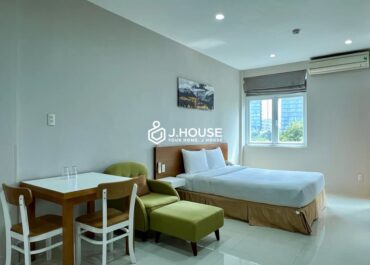
One of the clearest signs that expats intend to stay long-term in Vietnam is how they approach housing. Over time, short-term rentals and convenience-driven choices lose their appeal. What matters instead is fit.

The question shifts from “What’s available now?” to “What supports the life I want to build?” Neighborhoods begin to matter. Natural light, noise levels, walkability, and community become daily priorities rather than afterthoughts.
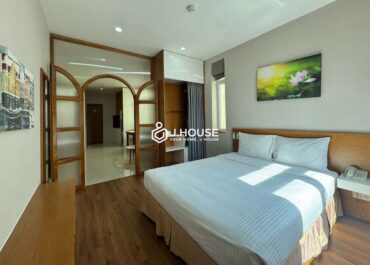
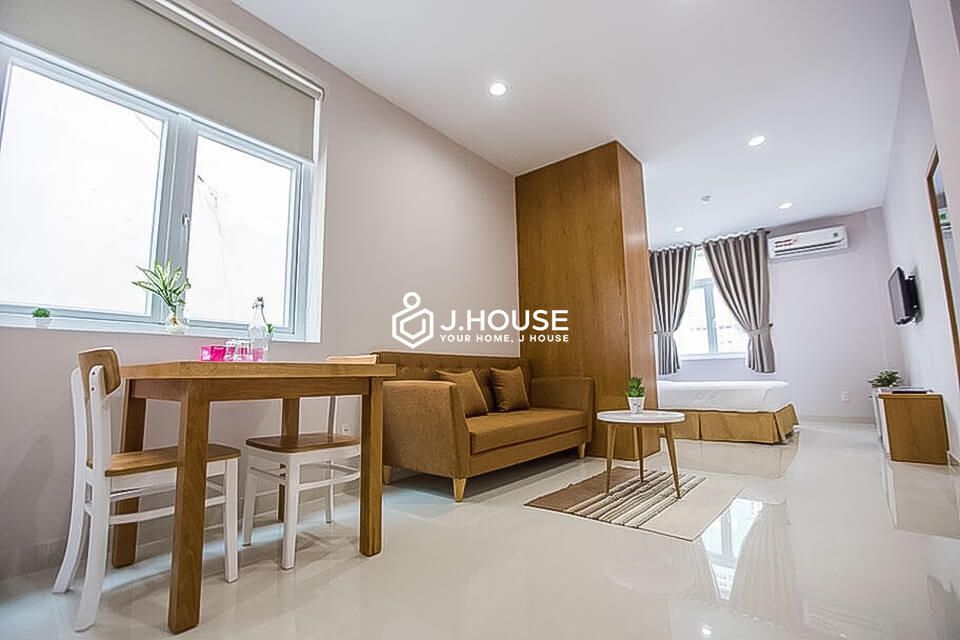
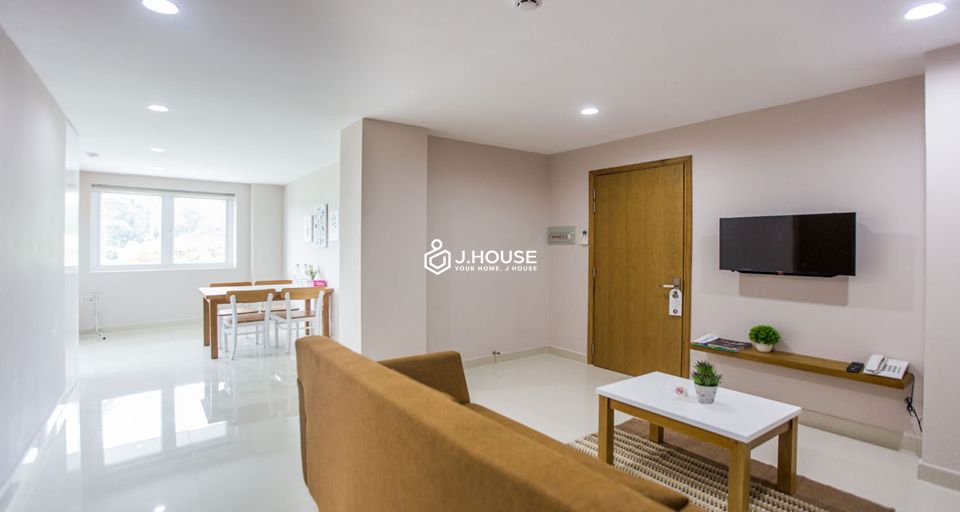
At JHouse, we see this transition every day. When expats search for homes that reflect who they are — not just where they are — intention becomes visible. A well-chosen home creates stability, grounding daily life and turning the emotional decision to stay into something tangible.
Read more: Finding “Home” Far Away: Real Stories from Tenants
Quality of Life in Vietnam: A Long-Term Perspective
Viewed through a long-term lens, the quality of life in Vietnam reveals why many choose to stay long-term in Vietnam. Healthcare access, education options, digital infrastructure, and transportation continue to improve — particularly in major cities.
For families, international schools, family-friendly neighborhoods, and a culture that values togetherness offer reassurance beyond the early years. For remote workers and creatives, flexible lifestyles and inspiring surroundings support both productivity and balance.
What matters most is not perfection, but progress. Expats staying long-term in Vietnam recognize that growth is ongoing — and they choose to grow alongside the country, rather than wait for conditions to be flawless.
Read more: Everyday Joys of Living in Vietnam
Overcoming Doubts Before Staying Long-Term in Vietnam
Every turning point brings hesitation. Before choosing to stay long-term in Vietnam, many expats wrestle with familiar questions:
- Can I build a future here?
- What about healthcare, education, or aging?
- Will life still feel fulfilling years from now?
These doubts are natural. Long-term expats don’t eliminate uncertainty — they manage it. By building support systems such as professional networks, reliable housing, health coverage, and local knowledge, uncertainty gradually becomes manageable.
As these foundations fall into place, confidence replaces doubt. Staying long-term stops feeling like a leap of faith and begins to feel like the most logical next step.
The Role of Intention in Long-Term Living
Choosing to stay long-term in Vietnam is ultimately an intentional act. It marks a shift from consumption to contribution — engaging with local communities, respecting cultural context, and shaping a daily life with purpose.

Expats who remain are not simply comfortable; they are invested. They stop waiting for life to begin somewhere else and start building it where they are. This change in mindset often reshapes identity, not just routine.
Intention is what transforms long-term living in Vietnam from a practical decision into a personal commitment — and from a place you reside into a place you truly call home.
Read more: Expat Life in Vietnam: Real Stories and Insights
Final Thoughts: When Staying Becomes Belonging
There comes a moment when staying long-term in Vietnam no longer feels like a decision — it feels natural. Daily life settles into a rhythm. Relationships deepen. Plans extend beyond visas and contracts, measured instead by milestones, routines, and shared memories. This is the true turning point, when presence replaces uncertainty.
Choosing to stay long-term in Vietnam is not about giving something up. It is about alignment — between work and life, independence and community, ambition and balance. At JHouse, we support expats through this transition, helping transform short stays into stable foundations and uncertainty into clarity.
Vietnam may begin as a chapter. For many, with intention and support, it becomes home — not temporarily, but fully.
JHouse Content Team
The in-depth content development team on housing services for foreigners & Vietnamese in Vietnam. The content is simple, easy to understand, and logically arranged to bring readers useful topics and information from real experiences.