










How to Balance Work and Life & Manage Stress in a New Environment
Stepping into a new environment often feels like a fresh start — new city, new role, new possibilities. But beneath that excitement, a quieter pressure begins to build: maintaining work-life balance while trying to manage stress in unfamiliar systems. The pace is faster. Expectations are unclear. Even simple routines take more effort than they should.

For many expats and professionals, the challenge isn’t just emotional adaptation — it’s navigating performance pressure, shifting workplace culture, and the constant need to keep up. Without a structure that fits your new reality, stress doesn’t arrive loudly — it accumulates, quietly disrupting your focus, energy, and daily rhythm.
This guide isn’t about doing more. It’s about helping you regain control — so you can manage stress effectively, rebuild balance, and create a way of living that actually works in your new environment.
Understanding Work-Life Balance in a New Environment
Work-life balance doesn’t disappear when you move — but it becomes far less automatic.
Back home, your routines, environment, and work culture quietly support your balance. You know when to switch off, how to recharge, and where your boundaries lie. But in a new environment, those systems reset. Expectations shift, communication styles differ, and even your daily rhythm feels unfamiliar.
This is why many professionals struggle with managing work stress abroad — not because they’re doing more, but because the structure that once supported them no longer exists.
So the question isn’t: “How do I recreate my old routine?” It’s: “What kind of system supports balance here?”
Because in a new environment, balance isn’t something you return to — it’s something you intentionally rebuild.
Why Stress Feels More Intense Than Expected
Stress in a new environment is rarely just about workload — it’s cumulative.
You’re not only adjusting to tasks, but constantly navigating new workplace dynamics, communication styles, and unspoken expectations — all while trying to prove yourself quickly. Individually, these pressures seem manageable. Together, they create a persistent mental load that’s hard to switch off.
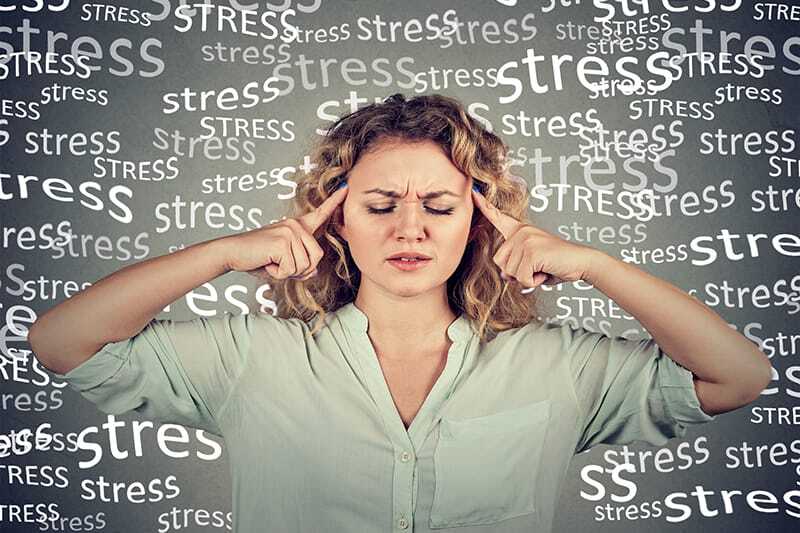
In fast-paced cities like Ho Chi Minh City, urban living stress adds another layer. Traffic, noise, long commutes, and a constantly moving environment quietly drain your energy — even before the workday begins.
That’s why stress here feels heavier than expected. Not because you’re doing more — but because everything demands attention at once. And once you see that stress is system-driven, you can finally start managing it with clarity, not just effort.
The Hidden Pressure to “Keep Up”
One of the most common challenges in a new work environment isn’t visible — it’s the pressure to constantly prove yourself.
You start working longer hours, saying “yes” more often than you should, and holding back from setting boundaries — not because you have to, but because you want to adapt quickly and be seen as capable.
For many expats, this is where work-life balance quietly breaks down.
But here’s the truth: Overworking doesn’t help you integrate faster — it only leads to burnout sooner.
Sustainable performance comes from clarity, not intensity. The shift isn’t about doing more, but about knowing what actually matters — and building your workload around that.
When Work-Life Balance Stops Being Automatic
Back home, your lifestyle quietly supports your work-life balance. But in a new environment, that structure disappears.
What used to feel effortless now requires intention. Your commute drains more energy than expected, your schedule feels less predictable, and personal time slowly gets replaced by “adjustment time.”
This is why many struggle with balancing work and life abroad — not from a lack of discipline, but because their environment hasn’t been set up to support them yet.
Balance no longer happens on its own. It becomes something you need to consciously design — and protect.
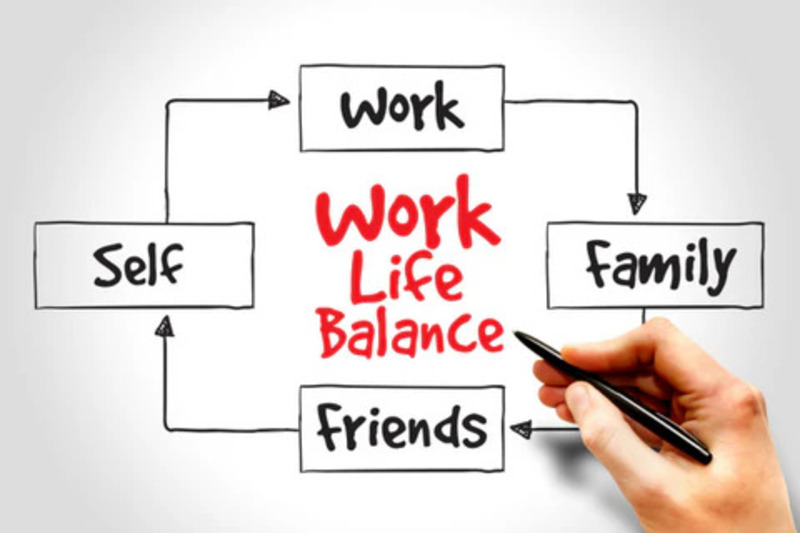
Manage Energy, Not Just Time
One of the most effective ways to improve productivity in a new environment is to shift from time management to energy management.
You don’t just have limited hours — you have limited focus, attention, and mental capacity.
Start by observing:
- When do you feel most productive?
- What activities drain your energy the most?
- How does your environment affect your focus?
For example, long commutes or noisy living spaces can significantly impact your daily performance. These factors are often overlooked, yet they play a critical role in managing workload effectively.
When you align your schedule with your energy — not just your calendar — you reduce stress naturally and improve efficiency without working more.
Setting Boundaries in an Unfamiliar Work Culture
Setting boundaries in a new environment is rarely straightforward — not because you don’t want to, but because you’re still learning how things work.
Different cultures carry unspoken expectations around working hours, responsiveness, and communication. Without clarity, it becomes easy to stay available longer than needed, gradually letting work spill into personal time.
That’s where work-life balance starts to break down — not all at once, but in small, repeated compromises.
Instead of reacting, be intentional early. Clarify expectations, define your working limits, and avoid overcommitting while you’re still adjusting.
Because boundaries aren’t about pushing back — they’re about creating structure that allows you to work consistently without burning out.
Redefining Productivity in a New Context
In a new environment, productivity isn’t about doing more — it’s about doing what actually moves things forward.
Many professionals default to measuring output by hours worked. But in reality, being constantly busy while still feeling behind often signals misaligned productivity, not a lack of effort.
What matters is clarity: knowing what deserves your focus, executing with intention, and letting go of low-impact tasks.
When you shift from activity to outcome, your workload becomes easier to manage — and your energy is used more effectively.
Because sustainable performance isn’t built on intensity. It’s built on direction — and that’s what prevents burnout over time.
How Your Living Environment Impacts Stress Levels
Your work doesn’t exist in isolation — it’s shaped, every day, by where and how you live.
In a new environment, small factors like location, commute time, noise, or even the layout of your living space can quietly influence your ability to focus, rest, and recharge. These details are easy to overlook — until they start affecting your energy.
A long commute in a fast-paced city, for example, doesn’t just take time. It drains mental capacity before your workday even begins, gradually turning manageable workloads into ongoing stress.
That’s why lifestyle design matters. The right environment doesn’t just support your routine — it reduces friction you didn’t realize was there.
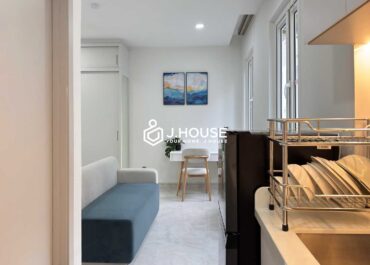
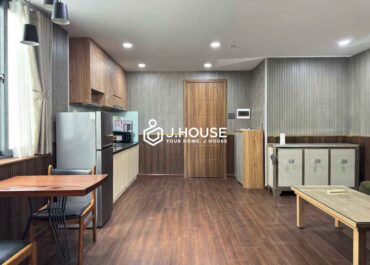
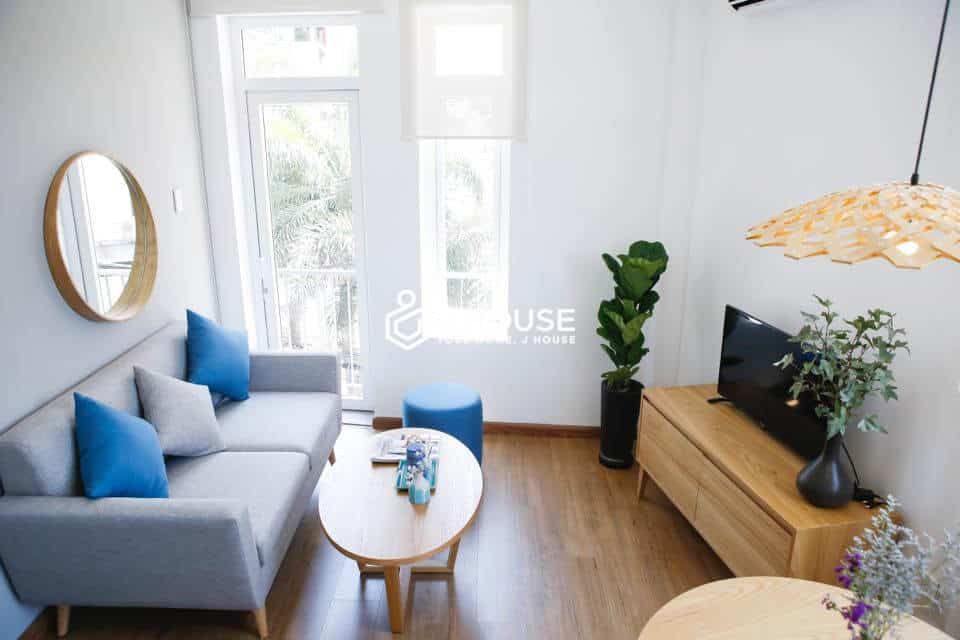
At JHouse, we’ve seen how a well-matched living space can make daily life feel lighter, more stable, and far more sustainable.
Build Micro-Routines That Reduce Daily Pressure
In a new environment, it’s not the big changes that reduce stress — it’s the small routines you can rely on.
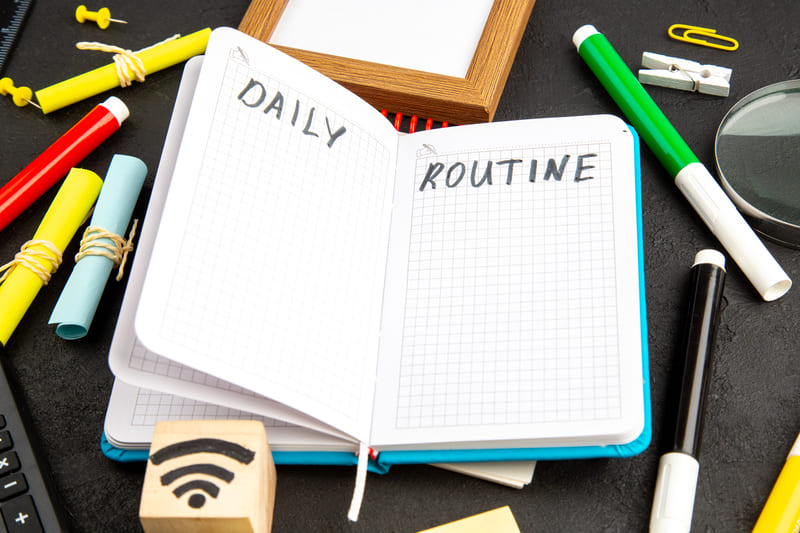
When your day feels unpredictable, simple habits create structure: a consistent way to start your morning, clear signals to end your workday, and short pauses that help you reset before pressure builds up.
These micro-routines don’t need to be perfect. They just need to be repeatable.
Over time, they reduce decision fatigue, stabilize your energy, and make daily life feel more manageable — especially in fast-paced urban settings.
Because when everything else feels uncertain, consistency becomes your anchor.
Recognizing Early Signs of Burnout
Burnout rarely shows up all at once — it builds quietly, over time.
It often starts with subtle shifts: constant fatigue, reduced motivation, difficulty focusing, or feeling overwhelmed by tasks that once felt simple. For expats, these signs can be harder to recognize, as they’re often mixed with environmental stress and ongoing adjustment.
That’s why awareness matters. The earlier you notice these signals, the easier it is to reset — before stress turns into something harder to recover from.
Designing a Sustainable Work-Life Rhythm
Instead of chasing a perfect work-life balance, focus on building a rhythm that fits your reality.
In a new environment, balance doesn’t come from ideal conditions — it comes from small, consistent structures: clear boundaries, realistic expectations, a living setup that supports your routine, and time to properly rest and recover.
This rhythm won’t feel perfect every day, and that’s the point. It’s meant to be sustainable, not flawless.

Because in the long run, balance isn’t about dividing your time evenly — it’s about creating a life where work and living can coexist without constant friction.
Final Thoughts: From Overwhelmed to In Control
Stepping into a new environment often makes managing work-life balance and handling stress feel daunting. Unfamiliar routines, new expectations, and the pressure to adapt quickly can make even small tasks feel heavy.
But with intentional systems — from managing stress effectively to creating routines that align with your energy and priorities — chaos gradually turns into structure. Daily life becomes manageable rather than exhausting.
At JHouse, we see how much your environment shapes your experience. A supportive living space, convenient location, and practical systems can quietly reduce stress, giving you more control over your day.
Ultimately, balance isn’t something you stumble upon — it’s something you actively build, no matter where you are.
JHouse Content Team
The in-depth content development team on housing services for foreigners & Vietnamese in Vietnam. The content is simple, easy to understand, and logically arranged to bring readers useful topics and information from real experiences.